

Match Preview
AI What to Watch
AI-powered preview coming soon. Will highlight key matchups, tactical battles, and players to watch.
Match statistics not available yet
Match Coverage (993)
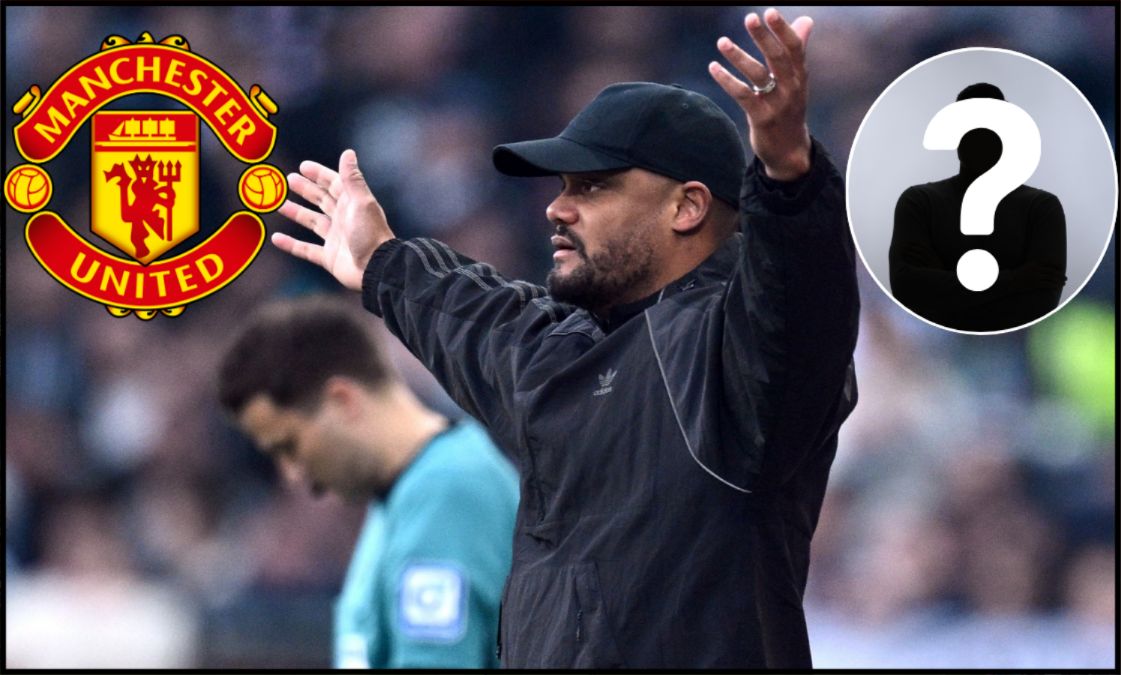
Manchester United might stand a chance at landing their longtime target Alphonso Davies, whose future at Bayern Munich is no longer certain. The Red Devils had already pursued the Canadian last season, but he ended up signing a contract extension that pushed back the deadline until June 2030. DOWNLOAD THE OFFICIAL STRETTY NEWS APP FOR […] The post “Door open” – Falk reveals Man Utd chances of landing ‘cheat code’ star amid Bayern & Kompany disagreement appeared first on Stretty News.
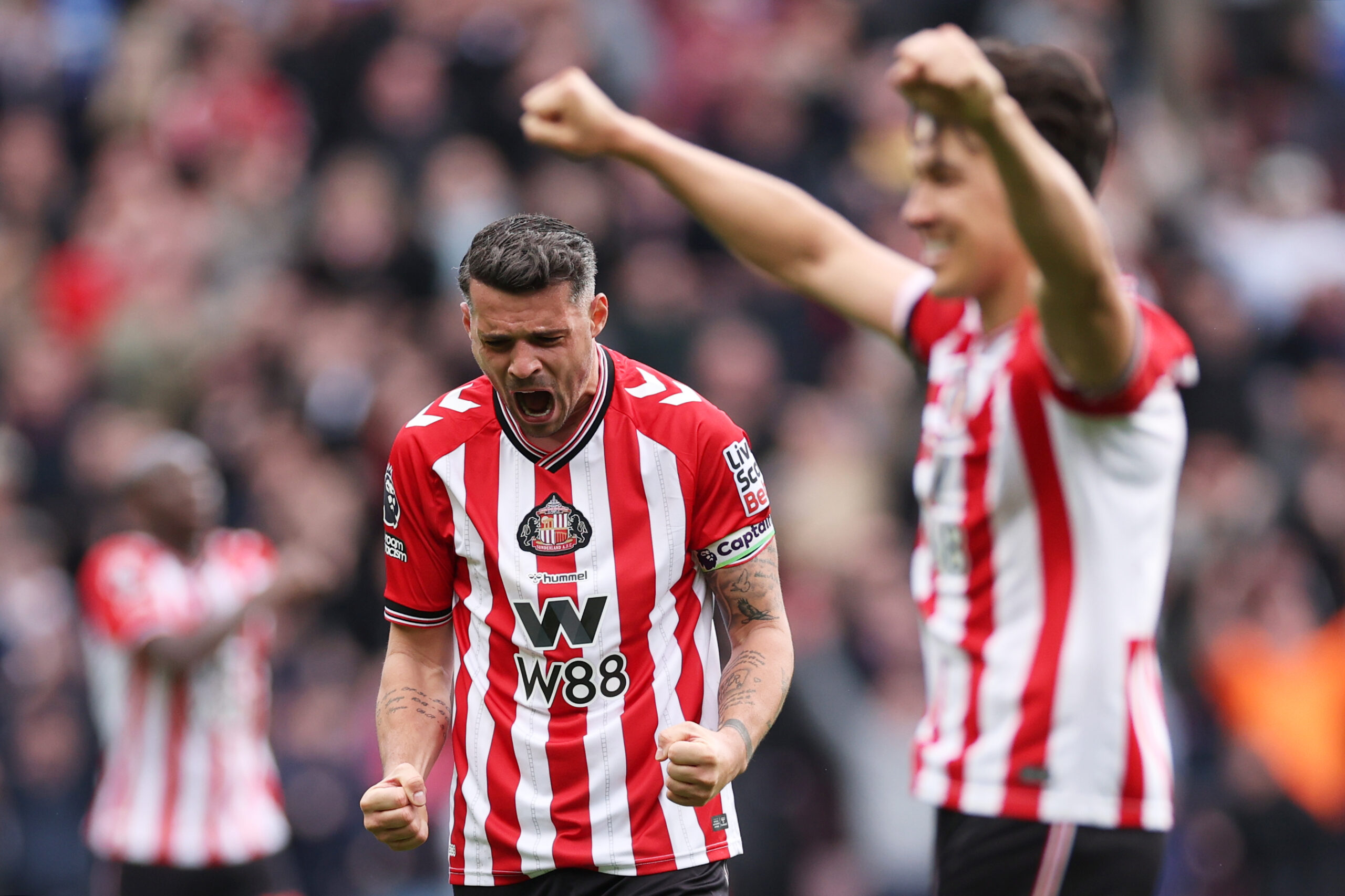
The 2025–26 season marks Sunderland‘s first campaign back in the Premier League since 2016–17, and Régis Le Bris has silently built something worth watching at the Stadium of Light. The Black Cats have won three of their last five matches, scoring four goals and conceding just three during that period, a defensive average of 0.6 […] The post FIFA World Cup 2026 Will Not Be The Last For Sunderland Veteran: Does It Serve The Club Well? appeared first on The 4th Official - A view from the sideline.
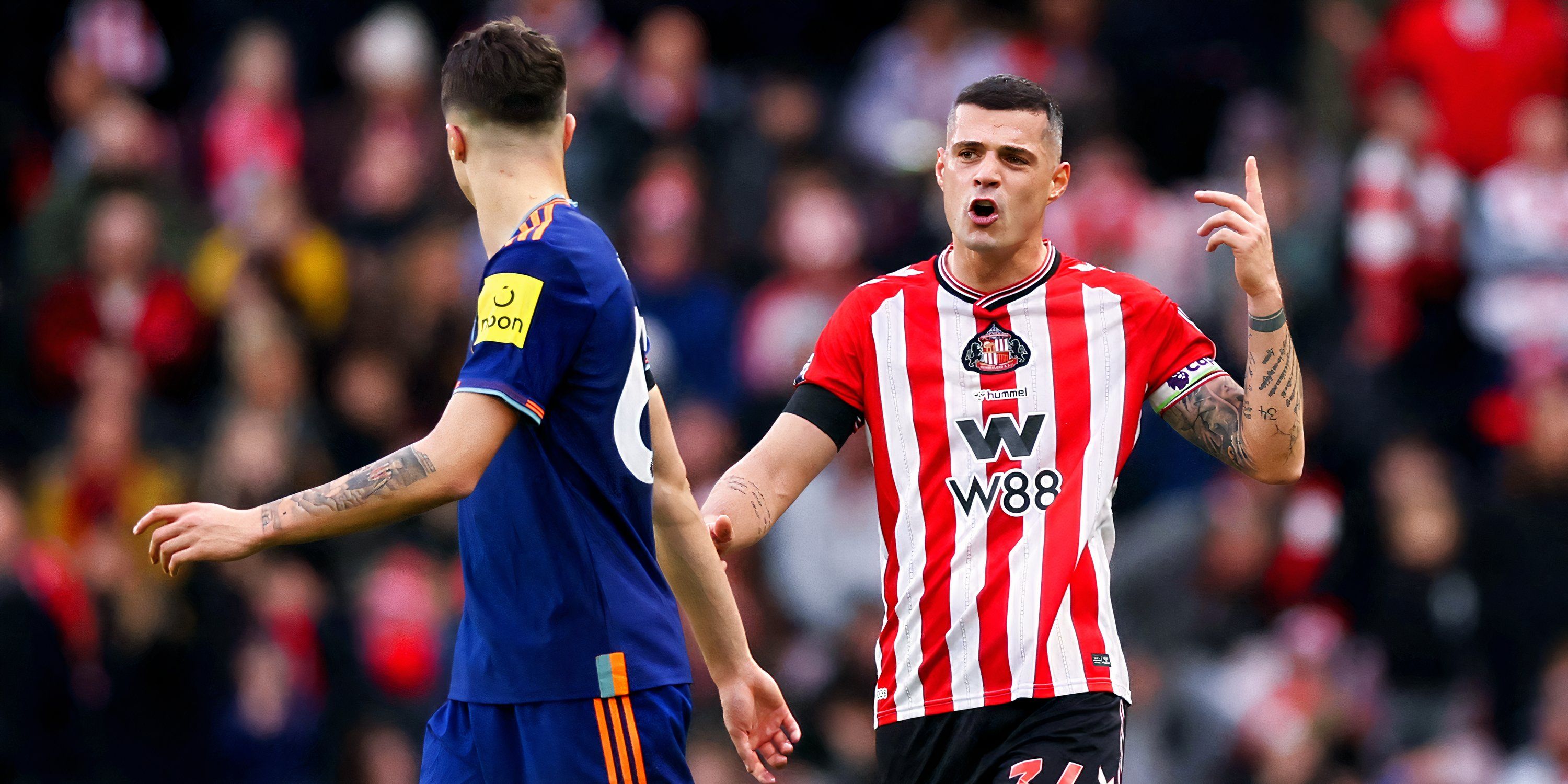
Aston Villa boss Unai Emery has shared what Sunderland star Granit Xhaka is thinking about his future, having worked with him at Arsenal.
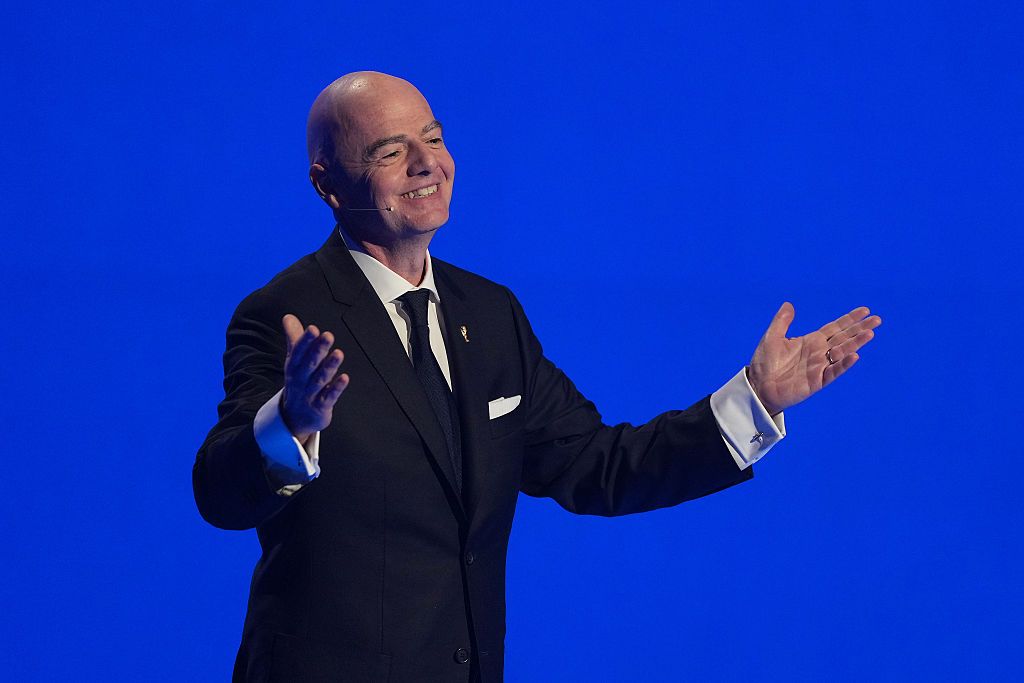
World Cup 2026 qualifiers Iran are in conflict with the co-hosts and Infantino is calling for 'peace'
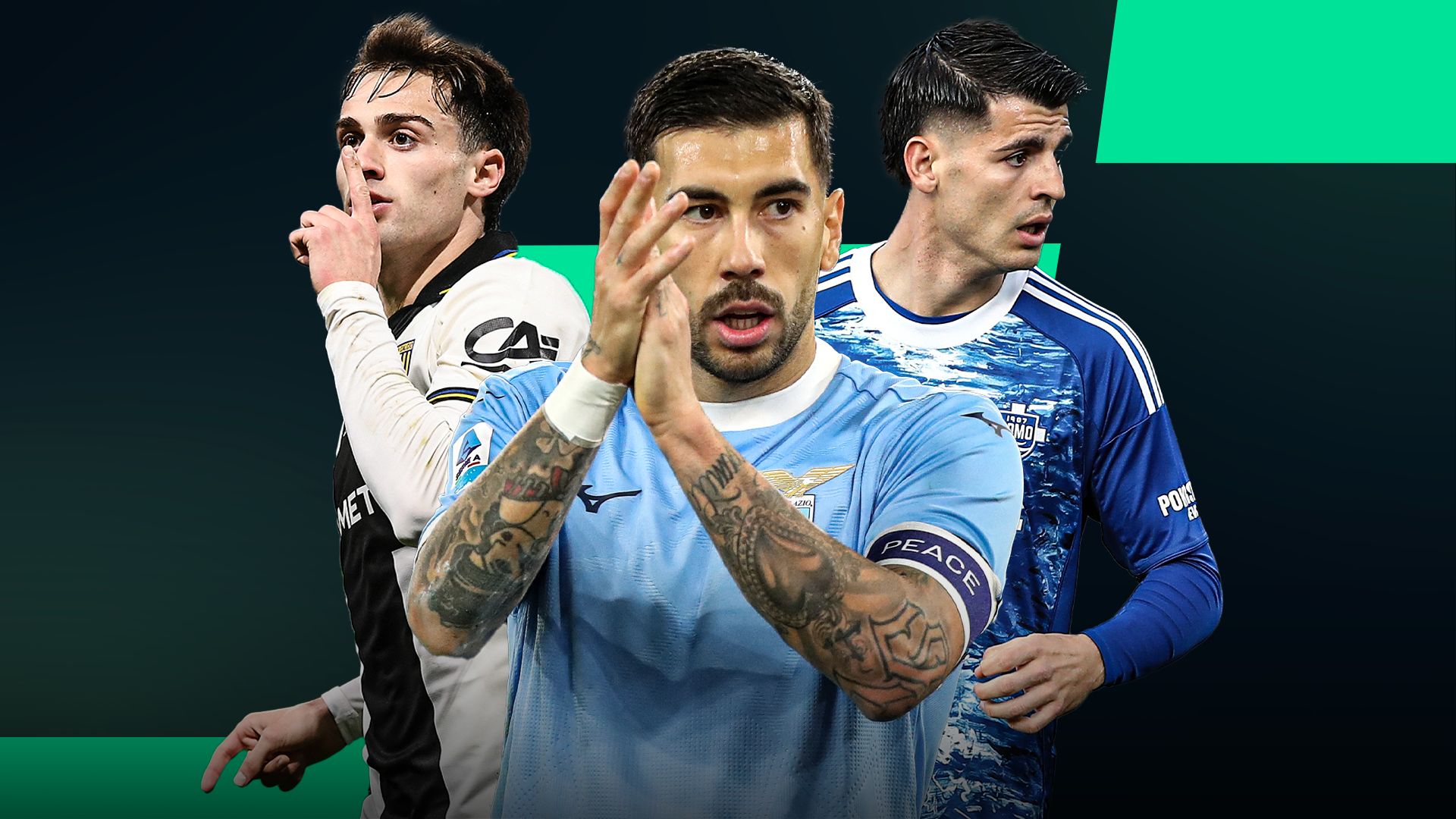
Rush finale della stagione 2025/26, ci siamo. Un mese, qualcosina di più, e i verdetti della stagione saranno tutti emessi. Se da una parte l'Inter sembra avviarsi verso il suo 21esimo Scudetto e Pisa e Verona appaiono condannate alla retrocessione, restano da assegnare i piazzamenti europei e il terzo slot della discesa verso la Serie B. Queste ultime sei partite saranno decisive per questi traguardi e per tutti quei giocatori, nelle rose delle 20 squadre di Serie A, che sono stati finora protagonisti di stagioni negative per un motivo o per l'altro, e ora vanno in cerca di un finale di stagione al top per rilanciarsi. Facciamo una panoramica. INTER Bastoni MILAN Pulisic Leao Nkunku JUVENTUS David Openda Koopmeiners LAZIO Zaccagni FIORENTINA Kean ATALANTA Chi deve provare ad emergere in casa Dea è ancora Lazar Samardzic. Un buon avvio con Juric, poi è scivolato nelle gerarchie anche dopo la partenza di Lookman e ha fallito occasioni importanti come quella contro l'Inter nella sconfitta 0-1 della New Balance Arena. Il serbo non è nuovo a sirene di mercato, che con buoni ingressi in campo e dei colpi dei suoi in Coppa Italia, dove l'Atalanta è in semifinale contro la Lazio, possono indirizzare in un verso o nell'altro il suo futuro. BOLOGNA Come non menzionare Orsolini? L'esterno offensivo, strepitoso da anni, ha attraversato mesi di profonda crisi senza riuscire ad incidere come al suo solito, senza essere pericoloso "dalla sua mattonella" per usare le parole del tecnico Vincenzo Italiano. Ora che il Bologna è uscito dall'Europa League, Orso potrà investire tutte le proprie energie nell'ultima parte del campionato. CAGLIARI Qui non si tratta tanto di brutte prestazioni, quanto di sfortuna: il Gallo Andrea Belotti è appena tornato dopo la rottura del crociato patita in autunno e ha 6 partite per ricominciare a segnare come aveva iniziato a fare nella sua nuova vita cagliaritana. COMO Facile: Alvaro Morata, arrivato come ariete del sogno europeo della banda di Fabregas e ben presto scavalcato da Anastasios Douvikas nelle gerarchie. Il greco ha messo a segno 11 reti, 11 in più di quelle dello spagnolo ex Juve e Milan in campionato. L'unica gioia è arrivata in Coppa Italia, con la rete segnata nella vittoria sulla Fiorentina agli ottavi, nel finale. Morata riuscirà a segnare almeno una volta in questa Serie A? CREMONESE Nella grande depressione calcistica vissuta dalla Cremonese da dicembre in poi ci sentiamo di indicare in Federico Baschirotto il giocatore che più ha bisogno di ritrovarsi: tra il crollo del reparto che gli fa capo, la difesa, e alcuni problemi fisici che ne hanno limitato il 2026, il finale di stagione gli impone l'ingrato compito di cercare di estromettere dalla Serie A la sua ex squadra, il Lecce. FIORENTINA Non è stata proprio la stagione di Moise Kean, soprattutto se rapportata alla scorsa da 25 reti in tutte le competizioni. Un problema fastidiosissimo alla tibia, tante occasioni sbagliate nella prima disastrosa parte di stagione, più la delusione di Zenica con la maglia della Nazionale. Non è riuscito a dare il proprio apporto nei quarti di finale di Conference League, persi contro il Crystal Palace, e non dovrebbe farcela nemmeno per la prossima di campionato contro il Lecce. Il futuro è un'incognita, dato che ora come ora è difficile immaginare che qualcuno possa attivare la clausola rescissoria da 62 milioni di euro presente nel suo contratto e valida dal 1 al 15 luglio... GENOA Le grandi delusioni del Genoa, Stanciu, Gronbaek e Carboni, hanno tutte cambiato squadra. Possiamo allora indicare Aaron Martin, che rispetto all'anno scorso ha sfornato meno assist e, anche a causa dello stallo sul rinnovo di contratto, è stato spesso relegato in panchina da Ellertsson. Il rigore sbagliato contro la Juventus pesa, ma dal suo piede continuano ad arrivare traiettorie invitanti per la testa di Ostigard e Vasquez. Altri assist all'orizzonte da qui a fine maggio? INTER Il giocatore forse più chiacchierato delle ultime settimane è stato Alessandro Bastoni: prima la simulazione su Kalulu in Inter-Juventus, poi l'espulsione in Bosnia-Italia e tutt'attorno l'interesse del Barcellona che lo vorrebbe per la propria linea arretrata. Il finale di campionato, a partire da dopo il Cagliari visto che il tecnico Chivu ne ha annunciato l'assenza, 5 partite per chiudere al meglio possibile prima di prendere quella che potrebbe essere la decisione più difficile ed importante della sua carriera. JUVENTUS Torniamo sugli attaccanti: Jonathan David, a differenza di Lois Openda, ha deluso ma non è stato ancora definitivamente bocciato. Ha dato qualche cenno di pericolosità qua e là nel corso della stagione, ma Spalletti è arrivato a preferirgli il falso nove in assenza di Vlahovic. Per arrivare nelle migliori condizioni al Mondiale casalingo col Canada, all'ex Lille serve qualche iniezione di fiducia nell'ultimo segmento di annata. LAZIO Che è successo a Mattia Zaccagni? Non è che alla Lazio si possa imputare molto, visto che prima il mercato era bloccato e poi la squadra è stata rivoluzionata, ma l'ex Verona doveva essere una delle poche certezze almeno a livello di contributo ai goal ed è successo tutto l'opposto. Tanto volume di gioco, pochissimi guizzi sotto porta e, nel 2026, anche un infortunio. Riuscirà a chiudere in crescendo il suo anno più complicato fin qui in biancoceleste? LECCE E' appena tornato a disposizione per il finale di stagione Francesco Camarda, che il Milan aveva scelto di prestare al Lecce per la prima annata in Serie A. Un goal al Bologna nel 2-2 del girone di andata, poi un brutto infortunio alla spalla che ha convinto i salentini a rifugiarsi in Cheddira dal Sassuolo come alternativa a Stulic. Di Francesco avrà bisogno anche del suo aiuto, magari negli spezzoni finali, per trovare i goal salvezza. MILAN Con Pulisic è una bella lotta, ma forse Rafael Leao è quello che ha deluso di più a livello di continuità nell'anno che doveva essere quello della sua consacrazione definitiva nel ruolo di attaccante cucitogli addosso da Allegri. Anche lui, come il grande amico Kean, deve la sua stagione altalenante anche a dei problemi fisici di varia natura che hanno compromesso soprattutto la preparazione fisica. Per questo il 10 rossonero cerca riscatto nelle ultime partite prima di un Mondiale che vede il suo Portogallo tra le favorite. NAPOLI Errori, infortuni, esclusioni importanti: l'azzurro non è il colore di Alessandro Buongiorno nel 2025/26. Il pilastro dello Scudetto dell'anno scorso assieme a Rrahmani è stato spesso fuori causa, e quando ha giocato è apparso una versione meno dominante di quello che abbiamo imparato a conoscere a Torino. E anche la difesa della Nazionale ha dovuto farne a meno, data la stagione negativa in corso. PARMA Gaetano Oristanio si è fermato nella sua crescita, dopo un anno tutto sommato positivo al Venezia. Problemi fisici all'inizio, tanta panchina poi, l'arrivo di Strefezza ha definitivamente consolidato la coppia offensiva con Pellegrino. Oristanio cerca il rilancio, e come lui Ondrejka in un momento in cui il Parma è relativamente sicuro di rimanere in Serie A. PISA Una delle poche delusioni tra i giocatori arrivati a gennaio: Rafiu Durosinmi doveva essere l'alfiere della rincorsa salvezza del Pisa, ma si è fermato alla rete all'Atalanta la sera del suo esordio con i colori nerazzurri. L'espulsione contro il Cagliari è stato il punto più basso, nelle ultime partite, dato che la Serie B è vicina ad essere matematica, ci sarà modo di chiudere meglio la sua parentesi pisana. ROMA Per i giallorossi possiamo scegliere Matias Soulé: bene nella prima parte di stagione, come Pulisic del Milan, poi il calo con noie fisiche e riduzione di minutaggio e impatto sui risultati della Roma, che infatti sono andati in flessione. Recentemente è tornato ad essere titolare e Gasperini si aspetta i rifornimenti giusti per Malen. SASSUOLO Poche le delusioni in un Sassuolo che si è salvato con grande agio e veleggia in questo finale di stagione. Forse, vista anche la prima buona annata da protagonista al Verona, da Josh Doig ci si poteva attendere di più, e in effetti nella seconda parte di stagione lo scozzese ha perso il posto da titolare a vantaggio di Ulisses Garcia. Può sperare nelle rotazioni da qui in avanti, anche per rilanciarsi in vista della prossima stagione. TORINO E' Duvan Zapata il giocatore che ha più voglia di lanciare verso l'alto il proprio rendimento in casa Toro. Con D'Aversa la squadra si è portata al sicuro dopo una prima parte di stagione pericolante che ha portato all'esonero di Baroni, ma la punta numero uno è stata Simeone. Il capitano qualche goal l'ha trovato, ma ha bisogno di ritrovarsi dopo il terribile infortunio dell'autunno 2024 che lo ha tenuto fermo quasi un anno. UDINESE Difficile trovare un giocatore che abbia reso meno del previsto nella bella stagione dell'Udinese, ma se vogliamo possiamo aspettarci qualcosa dal 9 di riserva, Adam Buksa, ora che Davis è di nuovo infortunato. Inizialmente Runjaic preferisce Zaniolo con Atta ed Ekkelenkamp a supporto, ma senza l'inglese il polacco potrà mettere assieme più minuti. VERONA Qui c'è l'imbarazzo della scelta. Uno che ha veramente reso al di sotto delle aspettative è Amin Sarr, che ha perso il posto prima a vantaggio di Giovane e poi di Bowie da gennaio in poi. Come per il Pisa, il Verona è ormai spacciato, e quindi Sammarco dovrà rendersi conto di quali giocatori potranno essere disponibili anche nella prossima stagione in cadetteria.
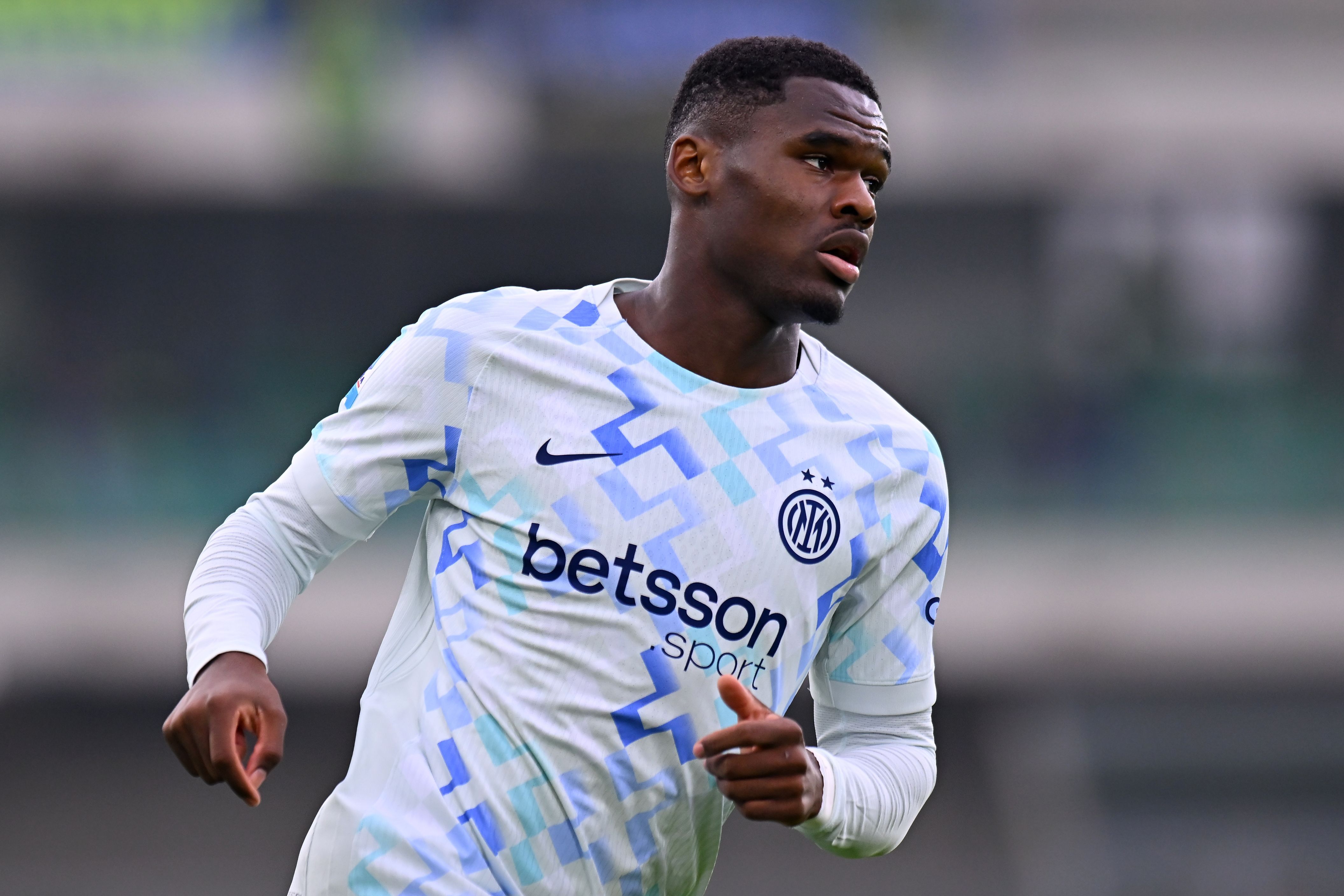
Cristian Chivu will make minimal changes for tonight’s Serie A clash with Cagliari, keeping his strongest available lineup largely intact with only two enforced defensive alterations from the side that beat Como, and leaving just a handful of genuine selection battles to resolve. According to Gazzetta dello Sport, via FCInterNews, the Inter coach is not […] The post Inter Milan Vs Cagliari – Veteran Defenders & Young Strikers The Only Selection Puzzle For Cristian Chivu appeared first on SempreInter.com.

Watch extended highlights of Real Betis and SC Braga, player stats, results and goals from UEFA Europa League, April 16, 2026 The post Real Betis vs SC Braga Highlights and Goals appeared first on DasFootball.
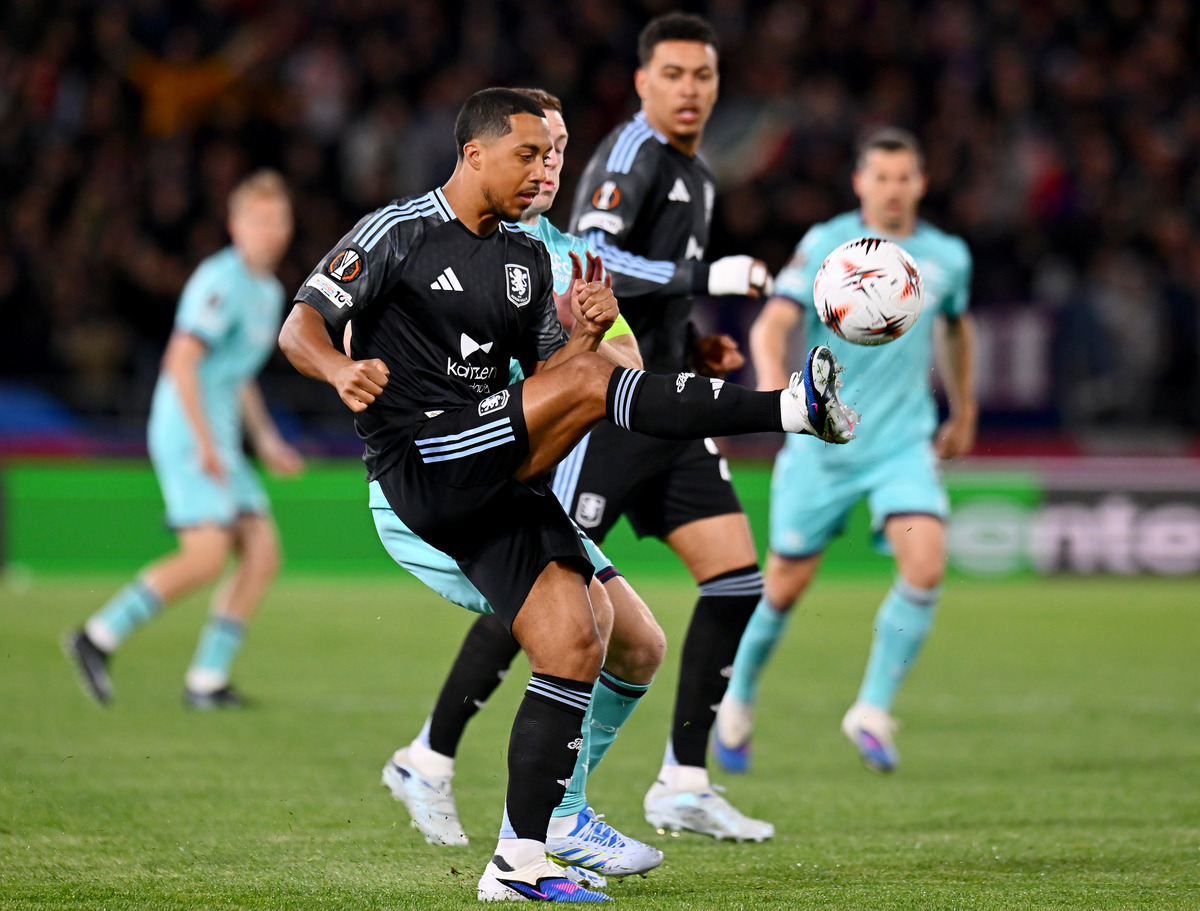
Bologna will look to Santiago Castro and Jonathan Rowe up front in the second leg...
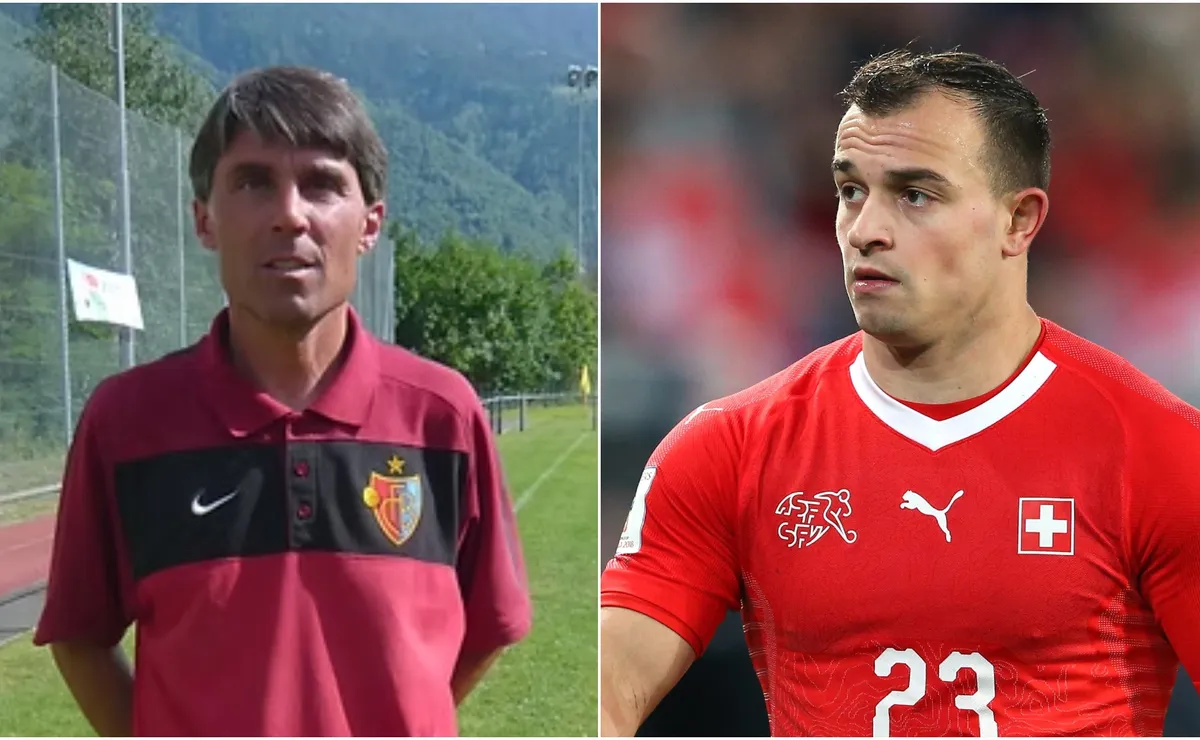
Argentine youth developer Facundo Alvanezzi discusses his 11 years at FC Basel, his role in shaping stars like Granit Xhaka and Xherdan Shaqiri, and why fostering "hunger" and embracing mistakes is the secret to producing elite talent. Alongside the technological leaps of the 21st century, soccer has evolved through the implementation of new instruments and methodologies embraced by clubs across all levels of the game. Yet technology alone does not always translate into better players or better human beings. World Soccer Talk had the opportunity to sit down with Argentine youth developer Facundo Alvanezzi, who spent 11 years at Swiss club FC Basel between 2008 and 2019. Having trained in South America and studied the methods of some of Europe’s most renowned clubs, including FC Barcelona, AC Milan and Bayern Munich, Alvanezzi applied his knowledge to help produce elite talents such as Granit Xhaka, Xherdan Shaqiri and Fabian Schär, among others. A former professional player in Argentina who also played in Italy, Alvanezzi began his coaching career at Aldosivi before departing for Basel in 2008. Moving from scheduled training sessions with limited soccer balls, “compensated by the amount of talent,” to an environment where every youth team trained on a heated pitch, had balls for every player, full kits and access to psychologists, nutritionists and other health professionals represented a dramatic shift in perspective. FC Basel and a commitment to youth development Already proficient in Italian from his playing days, Alvanezzi still had to immerse himself in the cultural and linguistic demands of his new environment, all in service of what he considers the cornerstone of his work: communication. In a single training session, he might move between Italian, French, and German while coordinating multiple groups of young players across state-of-the-art facilities designed to maximize their development. FC Basel’s U-14 squad. “A club like Basel worked with all 14 or 15 age groups all at the same time. The First Division had its own separate pitch. But for everything related to the youth levels from U21 down, everyone had their own respective pitch. Even the littlest ones, the 5 and 6-year-olds, had their own synthetic fields with dimensions suited for 5 or 6-year-olds. Just to give you an idea—no time was wasted there. In other words, time is utilized in a way that enriches you instead of being a deficit that hinders the development of future players.“ Alvanezzi then put into context the remarkable achievement of a small nation punching well above its weight. “You can’t forget that Switzerland has a population of between 6 and 7 million inhabitants, so the emerging talent back then was very scarce. They did an extraordinary market study so that today they have 17, 18, 19, and 20-year-olds—which didn’t happen before—playing and qualified for the next World Cup in the US, Mexico, and Canada. So, basically, everything related to infrastructure and planning… whether you like it or not, having that entire grid set up allowed me—as someone passionate about football who loves being on the pitch—to work peacefully. I knew I had my designated pitch to work with the U15s, the U16s, the U17s,” he added. The role of a youth developer and the cultivation of talent A fluent Spanish speaker, Alvanezzi describes himself as a “formador de juveniles,” a youth developer rather than a coach, drawing a sharp distinction between the two roles: “The developer (formador) teaches and builds; they earn very little, if anything at all. In terms of titles—U14s, U15s, the Reserves… I don’t care about those. The coach (entrenador) is there to train, to play, to compete, to get points, to win a domestic league, a Libertadores, a Euros, a Champions League, or a World Cup. They are two completely different things. That’s why there aren’t many coaches developing players, and there aren’t many developers coaching elite teams.“ Another key principle in his approach is trusting the creative instincts of young players rather than issuing directives, recognizing that the youth phase is when information can have the most profound impact. He pairs this with a cosmopolitan perspective while never abandoning his own core beliefs. Facundo Alvanezzi on the touchline. “In other words: at no point do I impose. I don’t impose knowledge, authority, or didactics—nothing. I seduce. Those are two completely different things. And I try to seduce through knowledge. Because when you have knowledge, you can ‘disarm’ the player; when you explain the how, the when, the where, and the why. Of course, when I go somewhere else, I adapt, but I cannot renounce my genes.“ When he arrived in Switzerland, Alvanezzi found himself surrounded by cutting-edge technology, GPS tracking and gym equipment, yet he remains committed to the idea of developing players “with a ball.” “In player development, I adapted to the systems, but with my own imprint. I carry the Argentine imprint everywhere. It’s this: I watch a player—how he walks—a 5-year-old, a 10, 15, or 20-year-old. I watch him walk. I throw him a ball. I watch him make a couple of touches—juggling in the air, a change of direction. And right then, I realize what that footballer might be capable of. Or not,” he explained. The value of mistakes in youth development Elite clubs increasingly measure the success of their youth teams by silverware, mirroring the pressure placed on the first team. But for Alvanezzi, perfection is not the goal. Forcing young players into rigid systems, he argues, sends them to the first team with significant blind spots, and he views the ability to make mistakes as one of the most valuable learning tools available. “Here are players I can ask to play a football of possession and position. And then there are footballers to whom I have to say, ‘You: control the ball, don’t carry it, and pass it to a teammate.’ Meanwhile, for another player—because I go against the establishment and the system—,” Alvanezzi said. “I believe one of the virtues I have in this vocation of developing players is that I value the error. From the error, I create the virtue of the success. In the context of teaching, I don’t criticize the player; I seduce him. ‘But what if I struggle, I lose the ball, it’s hard for me, and they score on us?’ And what’s the problem? I don’t want my trophies and medals hanging in my house. What good are they to me? If, in the end, I didn’t get any player to move up to the First Division. If I didn’t develop a single player for the first team,” he added. Alvanezzi, who says he has not a single medal or trophy displayed in his home, considers the players he has helped reach the elite level to be his true honors: “Now, my ‘medals’ are an average of 45 to 50 players who reached the top level. Especially at Basel. We had a coach like Thorsten Fink, who helped us a lot and used to play for Bayern Munich. He helped us bring up kids at 16 or 17 years old. I had the pleasure of training players like Yann Sommer, Granit Xhaka, Shaqiri, Breel Embolo, Noah Okafor, Fabian Schär , Eray Cömert, Neftali Manzambi, Raoul Petretta, Cedric Itten—an immense number of players. Those are the medals one gets to hang up.“ He then stressed that the developer’s job demands patience and an embrace of the mistake. “They need to learn to play with the right foot, with the left foot, and have a lot of contact with the ball. When I arrived at Basel and asked for—for example, the squads there are 18 players—I asked for no less than one ball per player. At first, they just looked at me. ‘Why one ball per player?’ Because, what did I achieve over the years? That in an hour and a half, the players went from an average of 200 touches in a standard session… once I integrated the technical and game-based training, that multiplied to 1,400 daily touches with the ball. The more touches you have, the more you polish the errors.“ In an environment dominated by innovation, Alvanezzi believes the fundamentals are often left behind, and his street soccer mentality changed the culture at Basel. “In Europe, ‘soccer practice’ (11v11) doesn’t exist. From Monday to Friday, it’s all small-sided games. Everything. So when I got to Basel, imagine the resistance from the other coaches. They told me, ‘No, Facundo, you’re crazy. The players will get injured; we don’t do that here; everything is small-sided.’ “And I told them, ‘The 11v11 is the symptom for Saturday or Sunday; it’s how you know which player you can count on and which one you can’t. You might think you can count on someone, but on a full pitch, it becomes too big for them, and they become completely disorganized. We need a parameter.’ Well, I implemented it at Basel until it became their own ‘modus operandi’ that on Thursdays, we did the 11v11 practice. The teams started improving exponentially because they were finally playing football not in a 20×20 or 30×30 space, but in 100×65—which is where real football is played,” he added. ‘Hunger’: the defining trait of the players who made it Among the many stars Alvanezzi has helped develop, a common thread runs through the backstories of those who reached the highest level: adversity. Both Xherdan Shaqiri and Granit Xhaka were born and raised in a disintegrating Yugoslavia amid violence before finding asylum in Switzerland. Breel Embolo‘s path was similar, leaving Cameroon with his family before settling in France and eventually Switzerland. That contrast between their upbringing and those of more comfortable peers is precisely what Alvanezzi calls “hunger,” the spark that gave them a decisive edge. “From an early age, when you watch them train—unlike the vast majority of Swiss youth developers who never experienced need—these were kids of struggle. They are born, raised, and developed out of hardship. So, the only possibility they had to emerge—unlike other great Swiss talents I had at Basel who didn’t make it—they weren’t going to make it because they lacked that ‘hunger.’ That potentiality of saying, ‘Through soccer, I am going to help my family; I am going to emerge; I am going to be somebody.‘” Alvanezzi then reflected on the social realities that shaped Xhaka, Shaqiri and Embolo. “They lacked even the most basic conditions in an elite, first-world country. They were segregated because they weren’t Swiss. They are three starters for the Swiss national team who have played in World Cups, but Breel is from Cameroon, and the other two are Kosovar. When society wasn’t integrating them, but they were useful to the national team football-wise, they nationalized them.“ Alvanezzi with Neftali Manzambi, Breel Embolo, and Charles Pickel. He then illustrated how that hunger translates into a measurable competitive advantage. “Genetically, all of that plays in their favor, 80 or 90% more than the well-off Swiss player… That “plus” works in your favor. While they came to training on foot or by tram, the vast majority of players of Swiss origin came every day with their fathers in a different car—a Mercedes-Benz, a Porsche… That factor of having nothing missing ends up working against you. Since you have everything, what am I going to be ambitious about? Playing in a World Cup? I’m not interested. Reaching the first team? If I make it, I make it, and if I don’t, I still have everything,” he stated. A memorable trip to South Africa In 2010, following the World Cup in South Africa, Alvanezzi traveled to the country for fifteen days representing the Swiss U15 national team with Basel at the Danone Nations Cup, competing against teams from Japan, Argentina, China, England, Italy and others. What left the deepest impression on him, however, was not the competition itself but the cultural awakening it triggered among his Swiss players and the youth developers around them. “They didn’t know what it was like for a kid not to have a cell phone, or to walk around barefoot. They couldn’t understand why colored people sat at one table and white people at another because of the legacy of apartheid. All the Swiss kids traveled with the latest cell phones. They would leave half of their plates full of food. And 50 meters away, at the fence in a gated area of the complex, local kids would come to beg for food,” he recalled. FC Basel youth squad in 2010 Danone Cup. “Along with several other Latino coaches, I would gather the leftover food and give it to them. It reached the point where FIFA was going to fine me, because they said I wasn’t allowed to feed the people. And I told them: ‘Why not? It’s the most important thing; they’re hungry. The only one who understood it on that trip was Breel Embolo,” Alvanezzi added. Talent, mentality and the cohesion of a group One of the most enduring debates in sports is whether the right mentality can outshine raw talent through sheer hard work, or whether that notion is simply wishful thinking. For Alvanezzi, the two qualities are not in competition but are complementary, with every player on a team assigned a specific purpose that allows both to coexist. Using the contrasting examples of Erling Haaland and Rayan Cherki, one a physical force of nature, the other a pure embodiment of technical brilliance, he illustrates how different profiles can coexist within the same system “They are complementary and different at the same time. You can link this to the aspect of mental construction. Mentality is also something you develop. If I convince you that in three years you have to improve your heading or your left foot, and you end up doing it in a match to stop a counter-attack… that is mentality,” Alvanezzi stated. “When you see Haaland playing with his back to the goal, he looks like an average player; put him facing the goal, and he’s an animal. He hides his deficit in back-to-goal play—and tries to do it as little as possible—but he has an above-average mentality that allows him to fail ten times and try again. Cherki, on the other hand, relies entirely on his talent. He has a different mentality, but he understood that to stay at the elite level, he must not interpret that (reliance on talent) as a fragility,” he added. While Alvanezzi acknowledged that mental strength is partly something “you bring it with you, but you can also incorporate it,” he was equally quick to point out that he has seen players with extraordinary talent but no capacity for hard work, and others with far less natural ability but the psychological resilience to make it to the top. Bridging that gap, he argues, is just as much the developer’s responsibility as any technical instruction. “Mental construction is also developed. If I talk to you and try to seduce and convince you of your errors with respect, you will be more receptive. Today, kids are given 20 hours of leisure time outside of training, and we don’t teach them how to think. But to develop players, you must be emotionally well-constituted and rationally grounded. If you aren’t vocational and emotional, you cannot develop players; you should do something else.“ Beyond individual qualities, Alvanezzi insists that everything must be considered through the lens of the collective, where a single weak link can unravel even the most talented group: “The developer has to work with a clear idea and a common goal. The ‘mind’ of the team, 90% of the time, has to be uniform. If it isn’t uniform, the group disintegrates, no matter how much talent you have.“ “If mentally you are thinking ‘white’ and I am thinking ‘black,’ and we have to play with a red ball, but neither of us wants to yield, it means we aren’t complementary. Individualism and egocentrism generate a very large negative impact. We all row to reach the shore and save ourselves; it can’t be that one rows right and another rows left, leaving us in the high seas until a wave drowns us,” Alvanezzi concluded. Stress: the invisible enemy of athletes As in any high-performance discipline, stress management has become one of the defining challenges in modern soccer, a sport that has seen its fixture calendar grow to near-unsustainable levels. “Players today have an enormous match load. They play 80, 90, 100 matches a year. In my era, that didn’t exist. And that carries an enormous physical, mental, and psychological toll, which is one of the many reasons why footballers get injured. Everything is connected. And if the head isn’t right, the body will never be right,” Alvanezzi stated. Xherdan Shaqiri of Basel (Daniela Porcelli/Getty Images). With stress affecting muscles, tendons and bones alike, conventional metrics like GPS data and weight measurements become meaningless when the mental aspect is ignored, he argues. “A player will always tell you they are at 100%. I liked, and I still like, for the player to train at 50% or 60%. If a kid trains at 100% five days a week and then tries to play at 200% on the weekend, they end up getting hurt. Sooner or later. It’s a universal law.“ These pressures are not confined to the professional game, extending deep into the youth system as well. “Let’s take away the weights, take away the GPS, work more on the mental side, and talk to the footballer. When a footballer tells you they want to stay 60 minutes longer after training… ‘No. Go home. Rest. Eat well. Take a nap. Look after yourself. Read, watch a movie. Relax. Do yoga. Meditate.’ But for all of that, you have to talk, and you have to be prepared,” he stated. Alvanezzi also addressed the lack of preventive awareness he has observed at the youth level: “That’s why I like it when a player comes and tells me: ‘This and that is happening to me.’ ‘Don’t worry. You’re not playing this match; you’re going to train at 50%.’ I’d rather give you two weeks of rest than have it be six months of forced leave due to a ligament tear. Today, there is no prevention because we, the developers, aren’t prepared to prevent; we are competitive, egocentric beings who want to win everything, forgetting that we don’t play anymore.“ U.S. soccer and MLS evolution: the legacy of 1994 Through friends living and working in the United States, and despite acknowledging that his English is far from perfect, Alvanezzi has been able to witness a genuine transformation in the country’s soccer culture, one he traces directly back to the 1994 World Cup, when MLS was widely seen as nothing more than a retirement league. That perception, he says, has been thoroughly dismantled. “Today, football in the US—I’m not saying it competes head-to-head with baseball, basketball, or ice hockey—but it has gained a very prominent position. It’s no coincidence that Lionel Messi, the most emblematic figure in world football today, is playing in MLS. Players who before, as you said, came perhaps for a final retirement to spend their last seasons in a low-caliber competition, find it’s a different world now. It has grown so much that renowned players prefer to come to MLS rather than go to a country in the Middle East or Asia.“ While acknowledging that MLS remains a league in the midst of its evolution, Alvanezzi offered a measured timeline for when it could fully establish itself at the highest level. “The evolution in terms of the training and qualification of the coaches and developers is very good. I have excellent references. Like any expanding football in a developmental stage, I think it will take them another 5 to 10 years to consolidate. It usually takes 10 to 15 years for a major league to stabilize and reach an international competitive level. They are currently in that developmental process from every point of view,” he stated. The influence of Latinos in U.S. soccer Once considered a secondary destination for professional development, the United States has transformed into a country that offers genuine, high-level opportunities for coaches and developers alike. That growth has been driven in part by soccer’s surging popularity, the influence of the Latino community, and high-profile figures like Lionel Messi and David Beckham, who have brought the sport to new audiences across the country. Lionel Messi greets David Beckham, co-owner of Inter Miami CF (Elsa/Getty Images). “There are many Latinos and Argentines working in development at important clubs and academies. It is expanding in a very interesting way. They take the culture they don’t have—they are very pragmatic in that sense. Whatever they lack, they acquire it. Don’t ask me how, but they go after it. If they don’t have a qualified scientist, they go find one in Germany, Norway, or Sweden and bring them to their country to make it evolve. They do exactly the same with soccer.“ For youth coaches specifically, the shift in available resources has been nothing short of transformative. “They start from the foundation: youth development. And because of their immense purchasing power as a nation, they can leverage incredible infrastructure. Being in an academy there—even one not affiliated with a famous MLS club—means having 4, 5, or 6 pitches to train on. They have indoor gyms for “fast football” when the weather is bad. Material in abundance. For a developer like me, who dealt with hardships starting out in Argentina—not in terms of talent, but in terms of equipment and structure—imagine what that solves.“

Showing 1-10 of 993 articles