Topic
Coaching Philosophy
71 articles
Articles tagged “Coaching Philosophy”
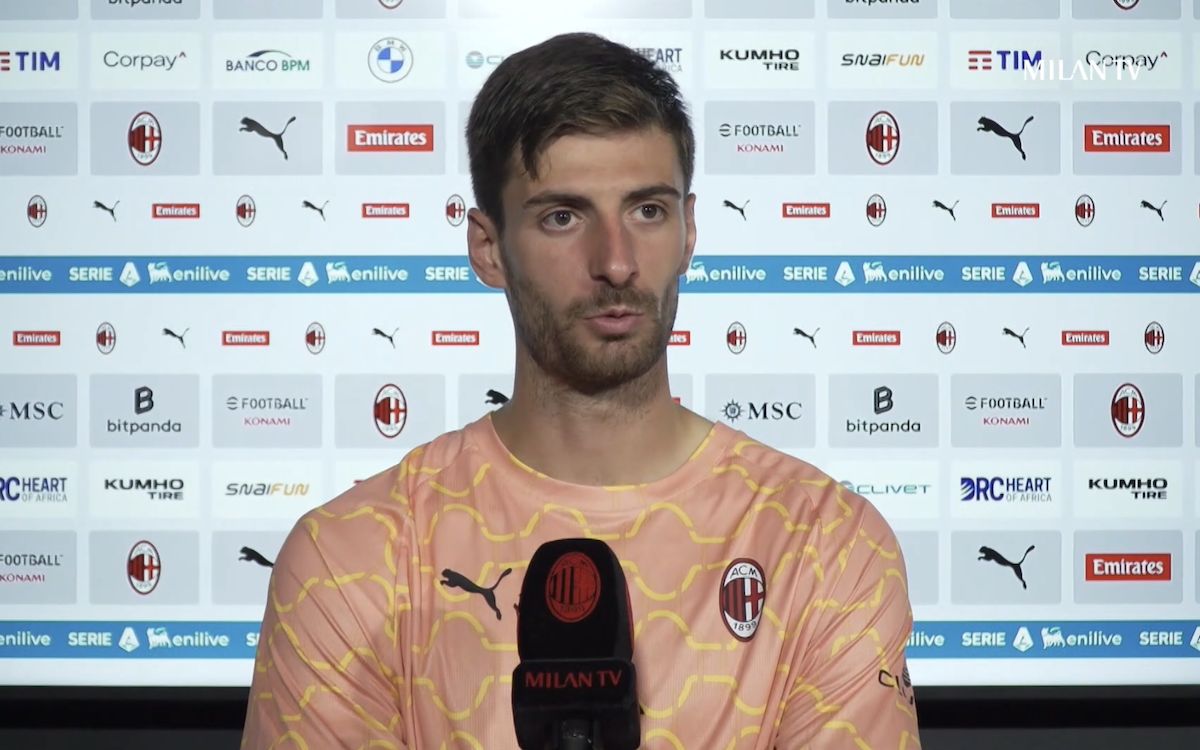
By: Oliver Fisher Matteo Gabbia has shed some light on what makes Massimiliano Allegri such a good coach, revealing the hope of the whole squad that he remains at AC Milan. We’re in the final part of the season, and Milan are faltering. After four defeats in their last seven league games, Napoli have now overtaken the Rossoneri […] The post Gabbia discusses hernia recovery, Milan’s decline, Leao jeers and Allegri: “The whole team’s wish” appeared first on SempreMilan.
While reports suggest a frosty rapport between Max Allegri and the club, Matteo Gabbia insists...
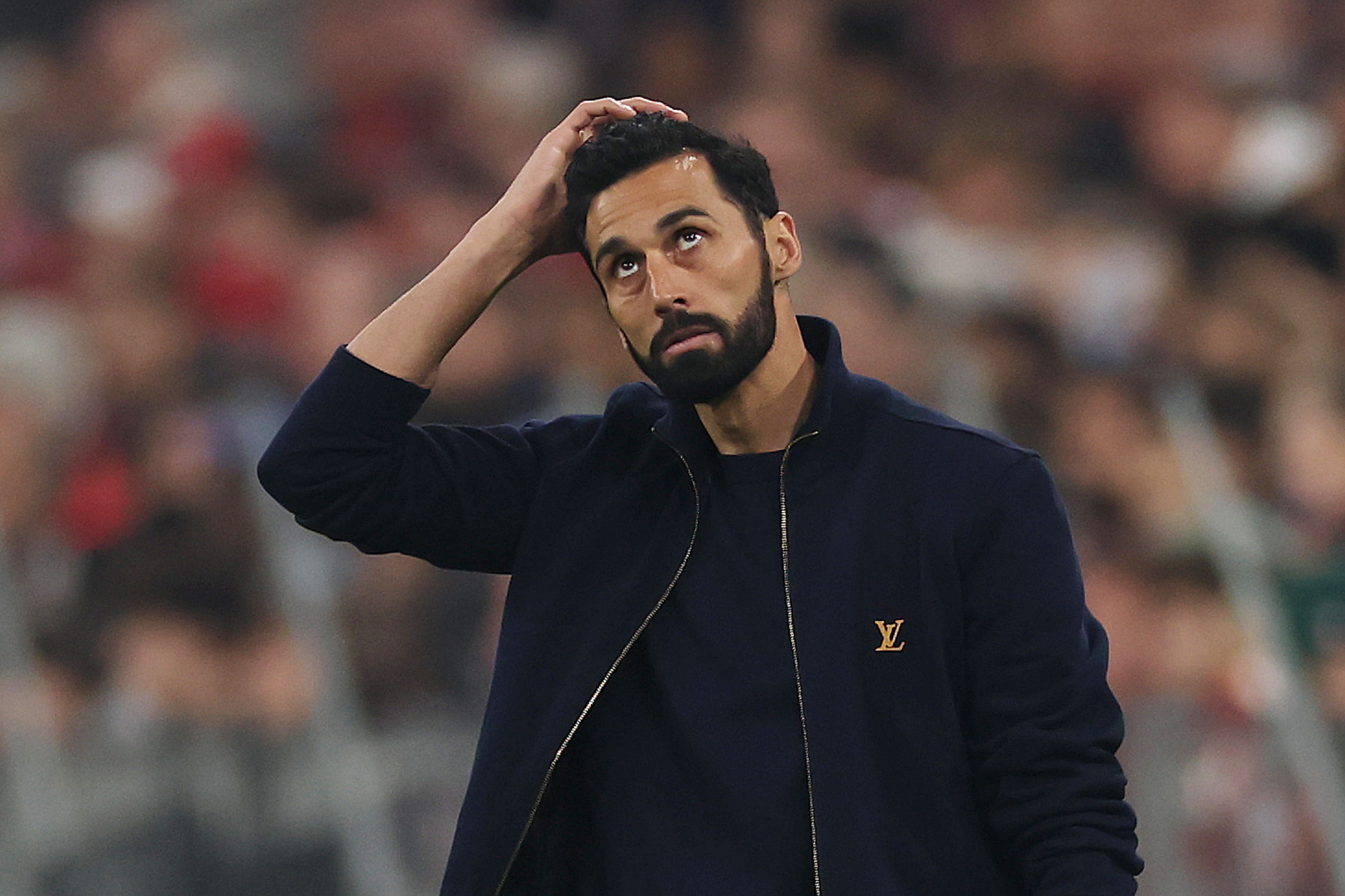
Real Madrid manager Alvaro Arbeloa has said that he is not concerned about his future at the club beyond the summer. He is expected to be in charge at the Santiago Bernabeu until the end of the season, yet with it looking likely that Real Madrid will finish the season without silverware, the expectation is […] The post Alvaro Arbeloa addresses Real Madrid future – ‘I’m not worried about it at all’ appeared first on Football España.
I concetti espressi dal tecnico azzurro che ha lasciato cadere una domanda sulla Nazionale
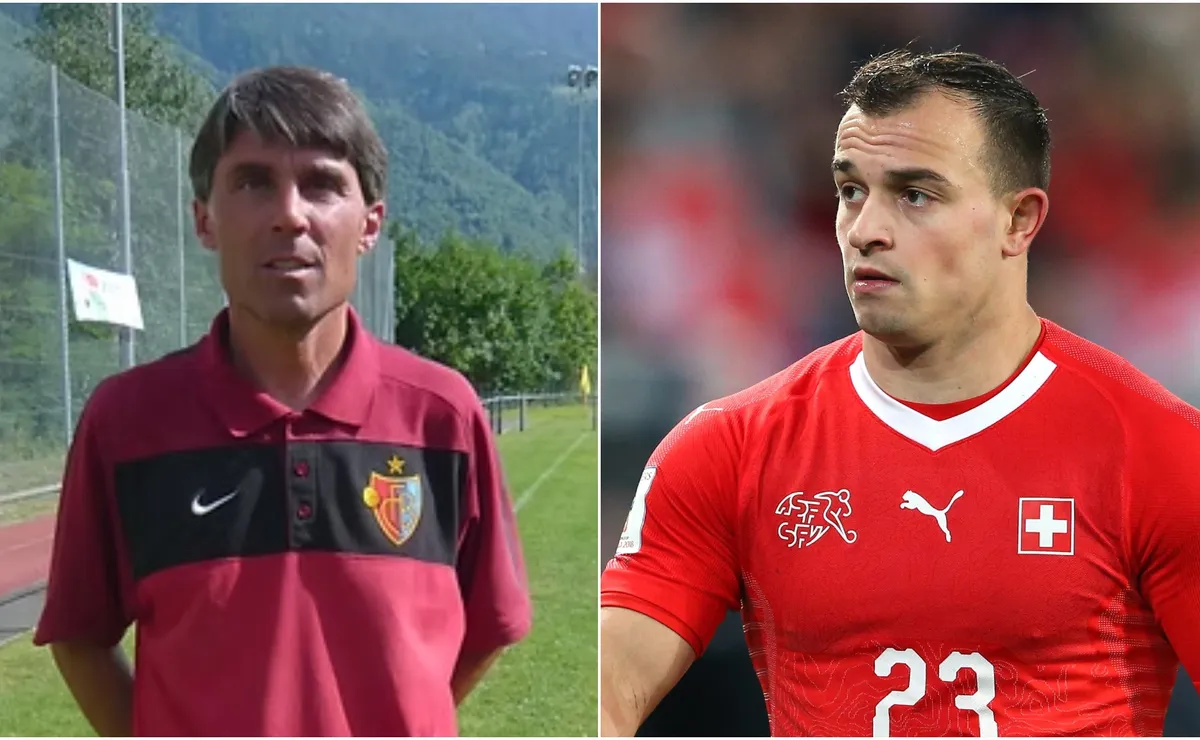
Argentine youth developer Facundo Alvanezzi discusses his 11 years at FC Basel, his role in shaping stars like Granit Xhaka and Xherdan Shaqiri, and why fostering "hunger" and embracing mistakes is the secret to producing elite talent. Alongside the technological leaps of the 21st century, soccer has evolved through the implementation of new instruments and methodologies embraced by clubs across all levels of the game. Yet technology alone does not always translate into better players or better human beings. World Soccer Talk had the opportunity to sit down with Argentine youth developer Facundo Alvanezzi, who spent 11 years at Swiss club FC Basel between 2008 and 2019. Having trained in South America and studied the methods of some of Europe’s most renowned clubs, including FC Barcelona, AC Milan and Bayern Munich, Alvanezzi applied his knowledge to help produce elite talents such as Granit Xhaka, Xherdan Shaqiri and Fabian Schär, among others. A former professional player in Argentina who also played in Italy, Alvanezzi began his coaching career at Aldosivi before departing for Basel in 2008. Moving from scheduled training sessions with limited soccer balls, “compensated by the amount of talent,” to an environment where every youth team trained on a heated pitch, had balls for every player, full kits and access to psychologists, nutritionists and other health professionals represented a dramatic shift in perspective. FC Basel and a commitment to youth development Already proficient in Italian from his playing days, Alvanezzi still had to immerse himself in the cultural and linguistic demands of his new environment, all in service of what he considers the cornerstone of his work: communication. In a single training session, he might move between Italian, French, and German while coordinating multiple groups of young players across state-of-the-art facilities designed to maximize their development. FC Basel’s U-14 squad. “A club like Basel worked with all 14 or 15 age groups all at the same time. The First Division had its own separate pitch. But for everything related to the youth levels from U21 down, everyone had their own respective pitch. Even the littlest ones, the 5 and 6-year-olds, had their own synthetic fields with dimensions suited for 5 or 6-year-olds. Just to give you an idea—no time was wasted there. In other words, time is utilized in a way that enriches you instead of being a deficit that hinders the development of future players.“ Alvanezzi then put into context the remarkable achievement of a small nation punching well above its weight. “You can’t forget that Switzerland has a population of between 6 and 7 million inhabitants, so the emerging talent back then was very scarce. They did an extraordinary market study so that today they have 17, 18, 19, and 20-year-olds—which didn’t happen before—playing and qualified for the next World Cup in the US, Mexico, and Canada. So, basically, everything related to infrastructure and planning… whether you like it or not, having that entire grid set up allowed me—as someone passionate about football who loves being on the pitch—to work peacefully. I knew I had my designated pitch to work with the U15s, the U16s, the U17s,” he added. The role of a youth developer and the cultivation of talent A fluent Spanish speaker, Alvanezzi describes himself as a “formador de juveniles,” a youth developer rather than a coach, drawing a sharp distinction between the two roles: “The developer (formador) teaches and builds; they earn very little, if anything at all. In terms of titles—U14s, U15s, the Reserves… I don’t care about those. The coach (entrenador) is there to train, to play, to compete, to get points, to win a domestic league, a Libertadores, a Euros, a Champions League, or a World Cup. They are two completely different things. That’s why there aren’t many coaches developing players, and there aren’t many developers coaching elite teams.“ Another key principle in his approach is trusting the creative instincts of young players rather than issuing directives, recognizing that the youth phase is when information can have the most profound impact. He pairs this with a cosmopolitan perspective while never abandoning his own core beliefs. Facundo Alvanezzi on the touchline. “In other words: at no point do I impose. I don’t impose knowledge, authority, or didactics—nothing. I seduce. Those are two completely different things. And I try to seduce through knowledge. Because when you have knowledge, you can ‘disarm’ the player; when you explain the how, the when, the where, and the why. Of course, when I go somewhere else, I adapt, but I cannot renounce my genes.“ When he arrived in Switzerland, Alvanezzi found himself surrounded by cutting-edge technology, GPS tracking and gym equipment, yet he remains committed to the idea of developing players “with a ball.” “In player development, I adapted to the systems, but with my own imprint. I carry the Argentine imprint everywhere. It’s this: I watch a player—how he walks—a 5-year-old, a 10, 15, or 20-year-old. I watch him walk. I throw him a ball. I watch him make a couple of touches—juggling in the air, a change of direction. And right then, I realize what that footballer might be capable of. Or not,” he explained. The value of mistakes in youth development Elite clubs increasingly measure the success of their youth teams by silverware, mirroring the pressure placed on the first team. But for Alvanezzi, perfection is not the goal. Forcing young players into rigid systems, he argues, sends them to the first team with significant blind spots, and he views the ability to make mistakes as one of the most valuable learning tools available. “Here are players I can ask to play a football of possession and position. And then there are footballers to whom I have to say, ‘You: control the ball, don’t carry it, and pass it to a teammate.’ Meanwhile, for another player—because I go against the establishment and the system—,” Alvanezzi said. “I believe one of the virtues I have in this vocation of developing players is that I value the error. From the error, I create the virtue of the success. In the context of teaching, I don’t criticize the player; I seduce him. ‘But what if I struggle, I lose the ball, it’s hard for me, and they score on us?’ And what’s the problem? I don’t want my trophies and medals hanging in my house. What good are they to me? If, in the end, I didn’t get any player to move up to the First Division. If I didn’t develop a single player for the first team,” he added. Alvanezzi, who says he has not a single medal or trophy displayed in his home, considers the players he has helped reach the elite level to be his true honors: “Now, my ‘medals’ are an average of 45 to 50 players who reached the top level. Especially at Basel. We had a coach like Thorsten Fink, who helped us a lot and used to play for Bayern Munich. He helped us bring up kids at 16 or 17 years old. I had the pleasure of training players like Yann Sommer, Granit Xhaka, Shaqiri, Breel Embolo, Noah Okafor, Fabian Schär , Eray Cömert, Neftali Manzambi, Raoul Petretta, Cedric Itten—an immense number of players. Those are the medals one gets to hang up.“ He then stressed that the developer’s job demands patience and an embrace of the mistake. “They need to learn to play with the right foot, with the left foot, and have a lot of contact with the ball. When I arrived at Basel and asked for—for example, the squads there are 18 players—I asked for no less than one ball per player. At first, they just looked at me. ‘Why one ball per player?’ Because, what did I achieve over the years? That in an hour and a half, the players went from an average of 200 touches in a standard session… once I integrated the technical and game-based training, that multiplied to 1,400 daily touches with the ball. The more touches you have, the more you polish the errors.“ In an environment dominated by innovation, Alvanezzi believes the fundamentals are often left behind, and his street soccer mentality changed the culture at Basel. “In Europe, ‘soccer practice’ (11v11) doesn’t exist. From Monday to Friday, it’s all small-sided games. Everything. So when I got to Basel, imagine the resistance from the other coaches. They told me, ‘No, Facundo, you’re crazy. The players will get injured; we don’t do that here; everything is small-sided.’ “And I told them, ‘The 11v11 is the symptom for Saturday or Sunday; it’s how you know which player you can count on and which one you can’t. You might think you can count on someone, but on a full pitch, it becomes too big for them, and they become completely disorganized. We need a parameter.’ Well, I implemented it at Basel until it became their own ‘modus operandi’ that on Thursdays, we did the 11v11 practice. The teams started improving exponentially because they were finally playing football not in a 20×20 or 30×30 space, but in 100×65—which is where real football is played,” he added. ‘Hunger’: the defining trait of the players who made it Among the many stars Alvanezzi has helped develop, a common thread runs through the backstories of those who reached the highest level: adversity. Both Xherdan Shaqiri and Granit Xhaka were born and raised in a disintegrating Yugoslavia amid violence before finding asylum in Switzerland. Breel Embolo‘s path was similar, leaving Cameroon with his family before settling in France and eventually Switzerland. That contrast between their upbringing and those of more comfortable peers is precisely what Alvanezzi calls “hunger,” the spark that gave them a decisive edge. “From an early age, when you watch them train—unlike the vast majority of Swiss youth developers who never experienced need—these were kids of struggle. They are born, raised, and developed out of hardship. So, the only possibility they had to emerge—unlike other great Swiss talents I had at Basel who didn’t make it—they weren’t going to make it because they lacked that ‘hunger.’ That potentiality of saying, ‘Through soccer, I am going to help my family; I am going to emerge; I am going to be somebody.‘” Alvanezzi then reflected on the social realities that shaped Xhaka, Shaqiri and Embolo. “They lacked even the most basic conditions in an elite, first-world country. They were segregated because they weren’t Swiss. They are three starters for the Swiss national team who have played in World Cups, but Breel is from Cameroon, and the other two are Kosovar. When society wasn’t integrating them, but they were useful to the national team football-wise, they nationalized them.“ Alvanezzi with Neftali Manzambi, Breel Embolo, and Charles Pickel. He then illustrated how that hunger translates into a measurable competitive advantage. “Genetically, all of that plays in their favor, 80 or 90% more than the well-off Swiss player… That “plus” works in your favor. While they came to training on foot or by tram, the vast majority of players of Swiss origin came every day with their fathers in a different car—a Mercedes-Benz, a Porsche… That factor of having nothing missing ends up working against you. Since you have everything, what am I going to be ambitious about? Playing in a World Cup? I’m not interested. Reaching the first team? If I make it, I make it, and if I don’t, I still have everything,” he stated. A memorable trip to South Africa In 2010, following the World Cup in South Africa, Alvanezzi traveled to the country for fifteen days representing the Swiss U15 national team with Basel at the Danone Nations Cup, competing against teams from Japan, Argentina, China, England, Italy and others. What left the deepest impression on him, however, was not the competition itself but the cultural awakening it triggered among his Swiss players and the youth developers around them. “They didn’t know what it was like for a kid not to have a cell phone, or to walk around barefoot. They couldn’t understand why colored people sat at one table and white people at another because of the legacy of apartheid. All the Swiss kids traveled with the latest cell phones. They would leave half of their plates full of food. And 50 meters away, at the fence in a gated area of the complex, local kids would come to beg for food,” he recalled. FC Basel youth squad in 2010 Danone Cup. “Along with several other Latino coaches, I would gather the leftover food and give it to them. It reached the point where FIFA was going to fine me, because they said I wasn’t allowed to feed the people. And I told them: ‘Why not? It’s the most important thing; they’re hungry. The only one who understood it on that trip was Breel Embolo,” Alvanezzi added. Talent, mentality and the cohesion of a group One of the most enduring debates in sports is whether the right mentality can outshine raw talent through sheer hard work, or whether that notion is simply wishful thinking. For Alvanezzi, the two qualities are not in competition but are complementary, with every player on a team assigned a specific purpose that allows both to coexist. Using the contrasting examples of Erling Haaland and Rayan Cherki, one a physical force of nature, the other a pure embodiment of technical brilliance, he illustrates how different profiles can coexist within the same system “They are complementary and different at the same time. You can link this to the aspect of mental construction. Mentality is also something you develop. If I convince you that in three years you have to improve your heading or your left foot, and you end up doing it in a match to stop a counter-attack… that is mentality,” Alvanezzi stated. “When you see Haaland playing with his back to the goal, he looks like an average player; put him facing the goal, and he’s an animal. He hides his deficit in back-to-goal play—and tries to do it as little as possible—but he has an above-average mentality that allows him to fail ten times and try again. Cherki, on the other hand, relies entirely on his talent. He has a different mentality, but he understood that to stay at the elite level, he must not interpret that (reliance on talent) as a fragility,” he added. While Alvanezzi acknowledged that mental strength is partly something “you bring it with you, but you can also incorporate it,” he was equally quick to point out that he has seen players with extraordinary talent but no capacity for hard work, and others with far less natural ability but the psychological resilience to make it to the top. Bridging that gap, he argues, is just as much the developer’s responsibility as any technical instruction. “Mental construction is also developed. If I talk to you and try to seduce and convince you of your errors with respect, you will be more receptive. Today, kids are given 20 hours of leisure time outside of training, and we don’t teach them how to think. But to develop players, you must be emotionally well-constituted and rationally grounded. If you aren’t vocational and emotional, you cannot develop players; you should do something else.“ Beyond individual qualities, Alvanezzi insists that everything must be considered through the lens of the collective, where a single weak link can unravel even the most talented group: “The developer has to work with a clear idea and a common goal. The ‘mind’ of the team, 90% of the time, has to be uniform. If it isn’t uniform, the group disintegrates, no matter how much talent you have.“ “If mentally you are thinking ‘white’ and I am thinking ‘black,’ and we have to play with a red ball, but neither of us wants to yield, it means we aren’t complementary. Individualism and egocentrism generate a very large negative impact. We all row to reach the shore and save ourselves; it can’t be that one rows right and another rows left, leaving us in the high seas until a wave drowns us,” Alvanezzi concluded. Stress: the invisible enemy of athletes As in any high-performance discipline, stress management has become one of the defining challenges in modern soccer, a sport that has seen its fixture calendar grow to near-unsustainable levels. “Players today have an enormous match load. They play 80, 90, 100 matches a year. In my era, that didn’t exist. And that carries an enormous physical, mental, and psychological toll, which is one of the many reasons why footballers get injured. Everything is connected. And if the head isn’t right, the body will never be right,” Alvanezzi stated. Xherdan Shaqiri of Basel (Daniela Porcelli/Getty Images). With stress affecting muscles, tendons and bones alike, conventional metrics like GPS data and weight measurements become meaningless when the mental aspect is ignored, he argues. “A player will always tell you they are at 100%. I liked, and I still like, for the player to train at 50% or 60%. If a kid trains at 100% five days a week and then tries to play at 200% on the weekend, they end up getting hurt. Sooner or later. It’s a universal law.“ These pressures are not confined to the professional game, extending deep into the youth system as well. “Let’s take away the weights, take away the GPS, work more on the mental side, and talk to the footballer. When a footballer tells you they want to stay 60 minutes longer after training… ‘No. Go home. Rest. Eat well. Take a nap. Look after yourself. Read, watch a movie. Relax. Do yoga. Meditate.’ But for all of that, you have to talk, and you have to be prepared,” he stated. Alvanezzi also addressed the lack of preventive awareness he has observed at the youth level: “That’s why I like it when a player comes and tells me: ‘This and that is happening to me.’ ‘Don’t worry. You’re not playing this match; you’re going to train at 50%.’ I’d rather give you two weeks of rest than have it be six months of forced leave due to a ligament tear. Today, there is no prevention because we, the developers, aren’t prepared to prevent; we are competitive, egocentric beings who want to win everything, forgetting that we don’t play anymore.“ U.S. soccer and MLS evolution: the legacy of 1994 Through friends living and working in the United States, and despite acknowledging that his English is far from perfect, Alvanezzi has been able to witness a genuine transformation in the country’s soccer culture, one he traces directly back to the 1994 World Cup, when MLS was widely seen as nothing more than a retirement league. That perception, he says, has been thoroughly dismantled. “Today, football in the US—I’m not saying it competes head-to-head with baseball, basketball, or ice hockey—but it has gained a very prominent position. It’s no coincidence that Lionel Messi, the most emblematic figure in world football today, is playing in MLS. Players who before, as you said, came perhaps for a final retirement to spend their last seasons in a low-caliber competition, find it’s a different world now. It has grown so much that renowned players prefer to come to MLS rather than go to a country in the Middle East or Asia.“ While acknowledging that MLS remains a league in the midst of its evolution, Alvanezzi offered a measured timeline for when it could fully establish itself at the highest level. “The evolution in terms of the training and qualification of the coaches and developers is very good. I have excellent references. Like any expanding football in a developmental stage, I think it will take them another 5 to 10 years to consolidate. It usually takes 10 to 15 years for a major league to stabilize and reach an international competitive level. They are currently in that developmental process from every point of view,” he stated. The influence of Latinos in U.S. soccer Once considered a secondary destination for professional development, the United States has transformed into a country that offers genuine, high-level opportunities for coaches and developers alike. That growth has been driven in part by soccer’s surging popularity, the influence of the Latino community, and high-profile figures like Lionel Messi and David Beckham, who have brought the sport to new audiences across the country. Lionel Messi greets David Beckham, co-owner of Inter Miami CF (Elsa/Getty Images). “There are many Latinos and Argentines working in development at important clubs and academies. It is expanding in a very interesting way. They take the culture they don’t have—they are very pragmatic in that sense. Whatever they lack, they acquire it. Don’t ask me how, but they go after it. If they don’t have a qualified scientist, they go find one in Germany, Norway, or Sweden and bring them to their country to make it evolve. They do exactly the same with soccer.“ For youth coaches specifically, the shift in available resources has been nothing short of transformative. “They start from the foundation: youth development. And because of their immense purchasing power as a nation, they can leverage incredible infrastructure. Being in an academy there—even one not affiliated with a famous MLS club—means having 4, 5, or 6 pitches to train on. They have indoor gyms for “fast football” when the weather is bad. Material in abundance. For a developer like me, who dealt with hardships starting out in Argentina—not in terms of talent, but in terms of equipment and structure—imagine what that solves.“
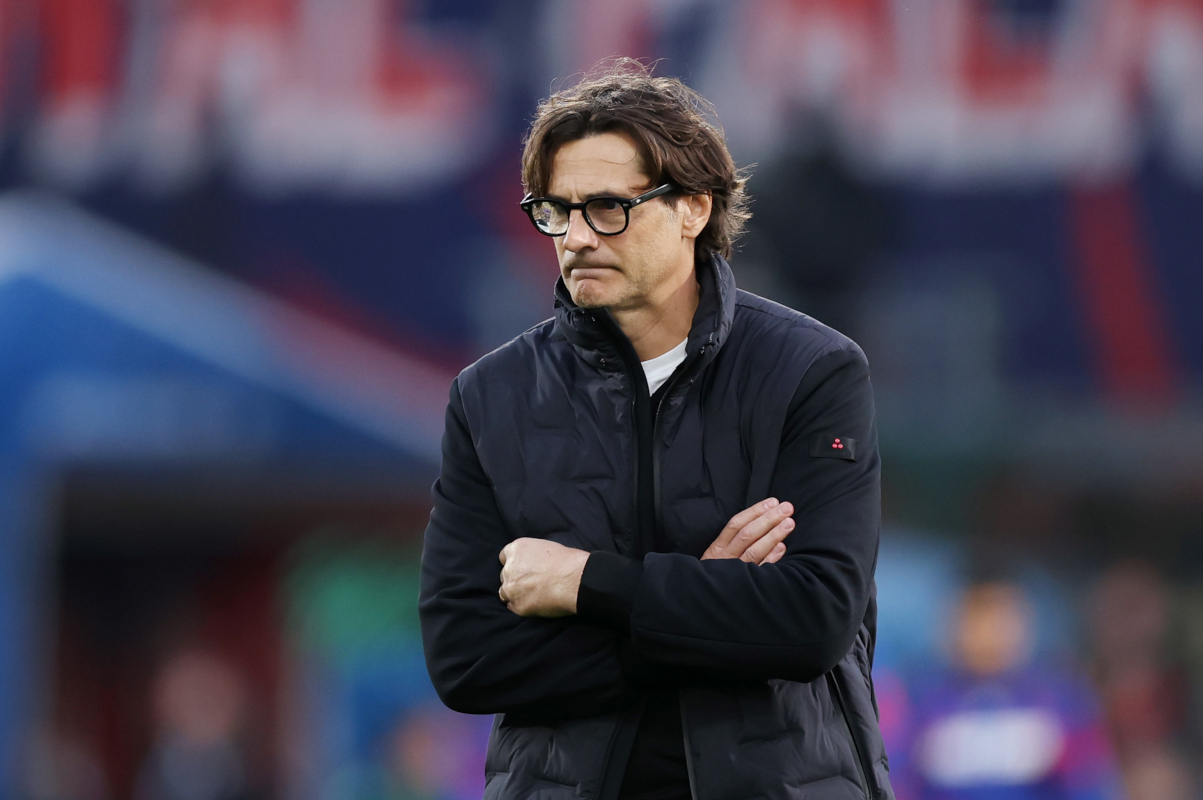
Paolo Vanoli has called on his Fiorentina players to cast aside inhibition and play with...
Welcome back to It Was What It Was. In today's episode, co-hosts Rob Draper and Jonathan Wilson continue Graham Taylor’s England story as the 1994 World Cup qualifying begins to wobble, with Paul Gascoigne’s talent and volatility dominating the narrative. They examine how Taylor’s pragmatic, direct style—shaped by lower-league realities and later linked (often unfairly) to FA long-ball doctrine—collided with more technical European approaches, and how internal battles involving Charles Hughes and data pioneer Charles Reap poisoned the backdrop. England’s campaign lurches through a Norway draw at Wembley after a late stunner, a Gascoigne-inspired win over Turkey, and a damaging 2–2 draw with the Netherlands featuring an undetected elbow and a late penalty. With Gascoigne returning in a mask, England then stumble in a hostile Poland away match and escape with a late equaliser, before Taylor’s brutal “headless chickens” verdict leaves his team heading to Oslo under growing pressure. 00:24 Setting the Scene 03:08 Taylor’s Pragmatic Roots 06:50 Pressing vs Possession 10:04 Charles Hughes and the Winning Formula 13:55 Reap vs Hughes Fallout 19:31 Norway’s Long Ball Irony 21:59 Back to Qualifying Hopes 24:10 Gazza’s Norway Controversy 26:50 Taylor’s Gaza Dilemma 28:22 Norway Opener Heartbreak 30:53 Turkey Win and Dependence 32:53 Too Honest With Press 40:12 Dutch Clash at Wembley 44:13 Mask Return and Mania 45:52 Poland Chaos and Critique 49:03 Headless Chickens Finale Hosted on Acast. See acast.com/privacy for more information.
In football, success is often measured in trophies and results — but by the time those arrive, the real work has already been done. Long before dominance becomes visible, it is constructed through structure, repetition, and identity. What appears as success is often just the final outcome of a system that has been built over… The post Built Before Success: How Football Identity Shapes Long-Term Performance first appeared on Breaking The Lines.
Steve Crossman is joined by Guillem Balague and Davide Ancelotti on this special episode of the Euro Leagues! Davide discusses his upbringing as the son of Carlo Ancelotti, how his father has influenced him as a coach and as a person, and how he motivates his own players through storytelling. Davide also reflects on his first-ever head coach role at Botafogo, before his assistant at the Brazilian club, Andy Mangan, joins the pod! The pair reflect on meeting in Newport, Wales, whilst completing their UEFA badges, and how Andy was asked to join Real Madrid from Stockport back in 2024. And of course, with Davide being Brazil's assistant manager under Carlo Ancelotti at this summer's World Cup, the team look ahead to the tournament, and discuss which players could surprise people in North America. Timecodes: 02:38 Davide's involvement with Brazil at the World Cup 12:21 Could Neymar go to the World Cup, & which players might surprise people? 16:12 Davide's assistant at Botafogo, Andy Mangan, discusses meeting Davide in Wales 32:23 What Davide learnt from his first head coach role at Botafogo? 36:47 Why the potential move to Rangers collapsed 40:52 Davide on creating his own identity whilst being Carlo's son 53:10 How films, books & nature are used to inspire players 59:25 Could Davide manage in the United Kingdom? Live / BBC Sounds commentaries: Sat 1500 Brentford v Everton in PL, Sat 1500 Burnley v Brighton in PL (Sports Extra), Sat 1730 Liverpool v Fulham in PL, Sun 1400 Sunderland v Tottenham in PL, Sun 1400 Nottingham Forest v Aston Villa in PL (Sports Extra), Sun 1400 Crystal Palace v Newcastle United in PL (Sports Extra 2), Sun 1630 Chelsea v Manchester City in PL.

Send us Fan Mail Episode 125 Brought to you in association with our friends at Soccer Coach Weekly (@SoccerCoachWeek) Episode 125 – How AI Can Be Used in Football Coaching, a conversation with Kevin Middleton In this episode, Ray and I are joined by the awesome Kevin Middleton to explore the growing impact of Artificial Intelligence in football coaching and beyond. Kevin shares his journey and provides a fascinating insight into his work with FootballGPT, highlighting how AI is beginning to s...

This week on the Surf Nation Football Focus Podcast, Gary Curneen sits down with Mario Mrakovic, Surf Junior Youth Academy Director at San Diego Surf, to explore one of the most important topics in modern player development: individual training. With more players turning to private coaching, extra sessions, and at-home practice, the challenge is no longer access — it’s direction. In this conversation, Mario shares his philosophy built over 20+ years of working with players, and why true development starts with movement, coordination, and attention to detail before anything else. We break down the difference between technique and skill, why “just practicing more” isn’t enough, and how players can take real ownership of their development outside of team training. Mario also shares insights into his training card system and upcoming app designed to give players a clear, structured pathway to improvement. This is a must-listen for players, parents, and coaches looking to better understand how to develop technical ability in today’s game. If you’re enjoying the Surf Nation Football Focus Podcast, please subscribe, share with your network, and reach out with topics you’d like us to cover in future episodes. Contact: [email protected] Timestamps: 00:00 Introduction 02:00 Mario’s background and early development 08:30 Where players are falling behind technically 14:30 The reality of private training 16:30 Training cards and player responsibility 23:30 The future: app and scalable development

In this episode, we go inside one of the most fascinating clubs in European football — Bodø/Glimt. Over the past few years, the Norwegian club has built a remarkable culture and player development environment that has helped them compete at the highest levels of the game, including the Champions League. A big thank you to our sponsor Zone14 Coaching. Their NextGen journals help coaches and players plan, reflect, and track progress throughout the season, built on intentional coaching and backed by neuroscience. Modern Soccer Coach listeners can get $5 off with code MODERNSOCCER5 at zone14coaching.com Joining Gary Curneen on this podcast is Olav Øverli, Academy Director at Bodø/Glimt. Olav shares a detailed look into how the club develops players, builds a strong culture, and creates an environment where curiosity, responsibility, and hard work are non-negotiable. He explains why the foundation of their academy begins with something simple but powerful: a love of the ball. We discuss the principles behind Bodø/Glimt’s development model, the importance of aligned leadership throughout the club, how the academy balances joy and professionalism in youth development, and why they prioritize curious, engaged footballers over rigid systems. Topics covered include: • Bodø/Glimt’s academy philosophy and culture • Developing curious and engaged footballers • Why “non-negotiables” are the starting point • Balancing joy and professionalism in youth development • Coaching younger players vs academy age groups • The role of feedback and honest coaching • Technology, data, and the limits of sports science in development • The impact of phones and distractions on young players • Hiring coaches and building a strong academy staff culture If you enjoy these conversations, please subscribe to the channel and check out more coaching breakdowns and interviews here on Modern Soccer Coach.

Jimmy Conrad and Charlie Davies sit down with their former coach - and one of the most influential figures in American soccer history - Bob Bradley for a wide-ranging conversation as the USMNT gears up for a home World Cup (04:03). Bob evaluates Mauricio Pochettino's time in charge of the group and what fine-tuning is left to do (05:59). The crew gets into the weeds on shape, flexibility, and how to maximize the March friendlies (14:10). Bob shares his view on the roster options - from the staying power of Tim Ream to what he sees in young center back Noahkai Banks to how he'd manage the mercurial talents of Gio Reyna (16:57). The conversation turns to Bob's own coaching career with an extended reflection on the USMNT's run to the 2009 Confederations Cup Final (34:16). He also revisits his early impressions of a young Charlie Davies and reflects on the players he most enjoyed coaching and watching, and wades into the waters of comparing Christian Pulisic, Clint Dempsey, and Landon Donovan (56:12). On a more personal note, Bob discusses watching his son Michael Bradley's transition into coaching with Red Bulls New York, and why he always sensed that path was inevitable (1:03:46). Call It What You Want is available for free on the Audacy app as well as Apple Podcasts, Spotify and wherever else you listen to podcasts. Follow the Call It What You Want team on X: @JimmyConrad, @CharlieDavies9, @TMeola1 Visit the betting arena on CBSSports.com for all the latest in sportsbook reviews and sportsbook promos for betting on soccer For more soccer coverage from CBS Sports, visit https://www.cbssports.com/soccer/ To hear more from the CBS Sports Podcast Network, visit https://www.cbssports.com/podcasts/ Watch UEFA Champions League, UEFA Europa League, UEFA Europa Conference League, UEFA Women’s Champions League, EFL Championship, EFL League Cup, Carabao Cup, Serie A, Coppa Italia, CONCACAF Nations League, CONCACAF World Cup Qualifiers, Lamar Hunt U.S. Open Cup, NWSL, Scottish Premiership, AFC Champion League by subscribing to Paramount+ Visit the betting arena on CBS Sports.com: https://www.cbssports.com/betting/ For all the latest in sportsbook reviews: https://www.cbssports.com/betting/news/sportsbook-promos/ And sportsbook promos: https://www.cbssports.com/betting/news/sportsbook-promos/ To learn more about listener data and our privacy practices visit: https://www.audacyinc.com/privacy-policy Learn more about your ad choices. Visit https://podcastchoices.com/adchoices
Join our NEW YouTube page here: https://www.youtube.com/@ModernSoccerCoachTV In this week’s Modern Soccer Coach podcast, I sat down with US Soccer Sporting Director Matt Crocker for an honest conversation about the future of player development in the United States. If the goal is to become a consistent World Cup contender — not just a nation capable of a one-off run — then the biggest shift cannot happen at senior level. It has to happen in the environments where young players are developed every day. We discussed the numbers behind elite performance, the importance of practice time, the pressure coaches feel to win at younger ages, and why US Soccer is choosing to influence rather than dictate change across the landscape. One theme stood out clearly: there is a difference between a winning mentality and a win-at-all-costs mentality. Elite performance begins with joy. When children feel psychologically safe, encouraged to experiment, and supported as individuals, they build the creativity, confidence, and resilience required at the highest level. If we prioritize short-term results over long-term development, we risk limiting both participation and potential. The pathway to elite soccer is not built on pressure alone — it is built on environments where players love the game enough to invest the thousands of hours required to master it. A big thank you to Zone 14 Coaching for supporting this episode. Their NextGen journals for coaches and players are designed to bring structure, reflection, and intentional learning into the training process — helping coaches plan with clarity and players track their development throughout the season. You can learn more at zone14coaching.com and use the code MODERNSOCCER5 for $5 off.
Check out Zone14 and get $5 off your order at Zone14Coaching.com using the code ModernSoccer5. What is happening to positional play in the modern game? In this episode of the Modern Soccer Coach Podcast, Gary Curneen sits down again with Bernat Mosquera to explore how football is evolving beyond rigid structures and fixed positions. We dive into the shift from “playing the game model” to playing what is actually happening in front of you. The rise of generalists. The importance of specialists. The impact of man-marking. The changing nature of space. And why rhythm and tempo may be the next tactical frontier. Bernat challenges a lot of current thinking. Are we overvaluing structure? Are we missing the emotional side of the game? Are small-space habits limiting our players? And what does training need to look like if we want dynamic, adaptable footballers? If you’re a coach thinking deeply about positional play, identity, and how to develop players for the realities of modern football, this is one you won’t want to miss. If you enjoy the episode, please like, subscribe, and leave a comment with your biggest takeaway. It helps us reach more coaches around the world. This episode is brought to you by Zone 14 Coaching — a company built by coaches, for coaches. Their Next Gen Journals for coaches and players help you plan with intention, reflect with clarity, and track development across the entire season. Grounded in neuroscience and designed for real coaching life, they’re a powerful tool for building accountability and learning habits in your environment. You can get $5 off your order at Zone14Coaching.com using the code ModernSoccer5. If you’re outfitting an entire team or club, check the contact details below and connect directly with them. Thanks for your continued support of the Modern Soccer Coach Podcast. #ModernSoccerCoach #PositionalPlay #FootballTactics #SoccerCoaching #garycurneen #bernatmosquera #youtubepodcast #soccerpodcast #coachpodcast #tacticspodcast #youtube #GameModel #TacticalAnalysis #EliteCoaching #SoccerDevelopment #FootballCoaches #CoachingEducation #TacticalThinking #SoccerPodcast #FootballPodcast #YouthDevelopment #HighPerformance #CoachingPhilosophy #PlayerDevelopment #FootballTraining #SoccerTactics #Pressing #BuildUpPlay #TempoInFootball #FootballIdentity #GamePrinciples #CoachLife #SoccerAnalysis #FootballEducation #CoachingCommunity #ModernGame #FootballCulture
In this episode of Inside College Soccer, Don Williams sits down with Coach Stephen Cavallo, head women’s soccer coach at the University of Missouri–St. Louis, for an in-depth conversation on leadership, culture, and modern player development at the collegiate level. Coach Cavallo shares his philosophy on player ownership and accountability, emphasizing why the most successful teams are those where athletes take responsibility not only for their performance, but for the identity, standards, and culture of the group. He explains how empowering players to lead creates buy-in, resilience, and consistency throughout a long college season. A major focus of the discussion is how to build a player-driven environment. Cavallo outlines practical ways coaches can step back without losing control - allowing leadership to emerge organically while still holding the group to elite expectations. He highlights why this approach better prepares players for the realities of college soccer and life beyond the game. The conversation also dives into the challenges of today’s social media landscape, particularly how constant comparison and external validation can impact athletes’ motivation. Coach Cavallo breaks down the difference between extrinsic vs. intrinsic motivation, explaining why players who chase likes, attention, or external praise often struggle with consistency, confidence, and long-term growth. Instead, he stresses the importance of internal standards, daily habits, and purpose-driven development. Throughout the episode, Cavallo connects these themes back to his vision for the UMSL women’s soccer program, discussing leadership, trust, and creating an environment where players grow as competitors, teammates, and people. This episode is a must-listen for: ✅ Aspiring college players navigating pressure and expectations ✅ Parents seeking insight into high-level college environments ✅ Coaches looking to build stronger, more autonomous teams And, as always, there was so much more - from leadership lessons to real-world coaching insight - making this a powerful conversation for anyone invested in the college soccer pathway.
Welcome back to It Was What it Was, the football history podcast. Co-hosts Jonathan Wilson and Rob Draper delve into Pep Guardiola’s story at Manchester City 10 years on from his appointment at the club and the difficulties he would face in his opening season. Join us as we explore the highs and lows, from the thrilling victories to the unexpected defeats. We discuss his controversial decisions, key matches, and the significant signings that shaped the team's future. Can Pep's philosophy adapt to the rigors of English football? Discover how one of the world's most acclaimed coaches navigated his debut season and set the stage for a legacy at the Etihad. Don't miss out on the in-depth analysis and special bonus content available exclusively on our Patreon page, following the link below: https://www.patreon.com/cw/ItWas 00:00 Exciting News: Join Our Patreon Community! 02:51 Introduction 04:47 Pep Guardiola's First Season Struggles 07:56 The Tactical Challenges and Key Matches 15:52 Pep's Appointment and Early Expectations 22:02 Transfer Market Moves and Squad Challenges 27:53 Yaya Touré's Controversial Exit 28:56 Manchester City's Winning Streak 30:34 Champions League Group Stage Drama 32:02 Pep's Concerns and Criticisms 43:49 Champions League Humiliation 51:44 End of a Disappointing Season 53:19 Looking Ahead: Pep's Future at City Hosted on Acast. See acast.com/privacy for more information.
This episode is proudly supported by Zone14 Zone14 helps coaches turn ideas into clarity — with session design tools, game models, and shared language that support real development on the grass. https://zone14coaching.com/ Use code:ModernSoccer5 for $5 OFF In this episode, Gary is joined by Patrice Gheisar for a deep, practical conversation on one of the most misunderstood debates in modern coaching: positionalism vs relationism. Rather than choosing sides, Patrice shares how the two can work together inside a clear game model — using real match examples, training principles, and lessons learned from building a sustained attacking identity over multiple seasons. We explore how positional structure provides reference points, while relational freedom allows players to solve problems in real time. Patrice breaks down wide overloads, central breaks, counter-pressing, rest defence, and attacking with numbers — all through the lens of what actually works on the grass. This conversation goes beyond theory and into coaching reality, touching on player trust, decision-making, patience vs verticality, and why supporting good ideas matters more than chasing short-term results. If you’re a coach, director, or educator trying to balance structure with freedom — this episode will challenge how you think about attacking football.

Check out Duktig Brand here: https://www.duktigbrand.com/ MSC Analysis Course (USE CODE: MSCTACTICAL) https://www.modernsoccercoach.com/challenge-page/ecourseanalysis Per Mertesacker joins Gary for a deep dive into youth development, leadership, and the Strong Young Gunners philosophy that drives Arsenal’s world-class academy. In this conversation, Per explains how football teaches life, why character is the foundation of performance, and how Arsenal balances high challenge with high care across every age group. From the purity of the foundation phase to creating adaptable modern players, he shares a transparent look at what it takes to build people and players capable of thriving in any environment. We also explore the four-pillar framework used inside the academy, the importance of lifelong learning for both staff and players, and the reality that less than one percent will make it as professionals. Per’s perspective is a masterclass for coaches, leaders, and anyone working in player development. Topics include: • Person-first development and daily standards • Strong Young Gunners philosophy • Balancing challenge and care • Foundation phase environment • Creativity, super strengths, and modern player profiles • Staff development and coaching pathways • Managing expectations with parents • Preparing young people for life beyond football • The future of coaching and youth environments
Welcome to It Was What It Was, the football history podcast. Co-hosts Jonathan Wilson and Rob Draper deep dive into the extraordinary story of Imre Hirschl, the Hungarian who took South American football by storm. In this first part of a two-part series we hear the story of Hirschl's early life, his emigration to South America, and his unexpected rise to coaching fame in Argentina. From starting as a salami salesman to becoming the mastermind behind Gimnasia y Esgrima La Plata's success, Hirschl's tale is one of perseverance, innovation, and tactical genius. Tune in to discover the myths, challenges, and triumphs of this unlikely football legend who redefined the game during the early 20th century. 00:00 The Unlikely Beginnings of a Coaching Legend 03:46 The Hungarian Influence on South American Football 07:59 Unraveling the Myths and Realities 09:40 A Journey Through War and Immigration 16:29 The Butcher Turned Football Visionary 21:55 The Mystery of Hirschl's Football Career 24:38 Meeting Béla Guttmann and the Next Chapter 26:21 Hirschl's Coaching Journey Begins 28:14 Tactical Innovations and Success 30:21 Challenges and Triumphs in Argentina 31:14 Early Coaching Stint in Brazil 32:42 Struggles and Determination 42:21 Hirschl's Coaching Philosophy 46:48 Building a Winning Team 49:32 Conclusion and Future Prospects Hosted on Acast. See acast.com/privacy for more information.
Watch Ray's full pressing webinar on MSC Insider below: https://modernsoccercoach.mimentorportal.com/subscriptions Contact Ray directly about his coaching support: [email protected] In this episode, Gary welcomes Ray Power back to the Modern Soccer Coach Podcast for his third appearance — and one of the most important discussions yet. Together, they explore why modern coaching has become overly reliant on patterns, how this affects player decision-making, and what it means to truly coach with principles instead of prescriptions. From “shopping-list” pressing traps to “joystick coaching,” Ray shares his journey of ripping up rigid models and designing training that produces adaptable, creative, and resilient players. The pair also discuss the fear of losing that drives much of modern football, the difference between control and influence, and the role of everyday coach development in breaking those cycles.
JOIN MSC INSIDER BELOW: https://modernsoccercoach.mimentorportal.com/subscriptions As Martin O’Neill returns to Celtic Football Club, we revisit a powerful conversation that captures everything he stands for as a coach and leader. From his early days under Brian Clough to managing Leicester, Celtic, Aston Villa, and the Republic of Ireland, O’Neill has lived through every phase of football’s evolution — and he’s never lost sight of what truly matters. In this interview, Martin reflects on: The lessons from Brian Clough and why simplicity still wins in a complicated world. Rebuilding belief at Celtic, turning a 21-point deficit into a 6–2 victory over Rangers and a title-winning side. Managing upwards in the modern game, where CEOs, directors, and data often overshadow football people. Roy Keane’s impact on culture, standards, and leadership inside the dressing room. The dangers of over-analysis, and why clarity and trust will always be the foundation of coaching. It’s an honest, entertaining, and deeply relevant listen for any coach navigating today’s game — reminding us that football is still, at its core, about people, relationships, and belief.
On this week’s Modern Soccer Coach Podcast, Gary sits down in Rio de Janeiro with André Medeiros, the man who has helped shape Fluminense’s methodology for over 25 years. Recorded during Gary’s recent visit as part of the TetraBrazil Tour, this conversation dives deep into how Brazil’s most respected academies view player development, coaching, and the evolving game. André shares incredible insights on: Why respect sits at the very top of Fluminense’s core values. How coaches are taught to see themselves not as the center of the process, but as facilitators of player growth. The club’s belief that “we don’t build players — we develop them,” focusing on character, adaptability, and intelligence. The balance between athleticism, speed, and decision-making in the modern player. Why the future of football might see positions disappear entirely, replaced by fluid, dynamic systems built on player versatility. Beyond tactics and systems, André speaks passionately about the human side of the game — education, psychology, cooperation, and humility — all foundational pillars of how Fluminense produces not just great players, but great people.
Check out TetraBrazil below: https://www.tetrabrazil.com/ Gary is joined by Gabriel Bussinger (Vasco da Gama) to explore their unique approach to elite player development. Gabriel explains the following: ✨ What it means to be player-centered vs. game-centered ✨ Balancing chaos and organization in development ✨ Why methodology should grow from practice to theory—not the other way around Standout quotes: 👉 “Rails confine talent. Trails give direction but leave freedom for creativity.” 👉 “Coaching is not the man inside the office. Coaching is walking with players, talking with them at breakfast, learning their culture, and caring for them as people.” 👉 “A Vasco player is technical, but above all, he is brave. He plays not only for the game, but for his family, his community, and to overcome the challenges of favela life.”
How long will Ruben Amorim get to bed in his new players before the pressure really starts to mount? Will we see Jack Grealish recapture his best form at Everton? How has Thomas Frank stamped his mark and philosophy on Spurs in just two games? Gary & Alan also discuss Arsenal thumping Leeds and how plenty of positive personal performances were marred by a couple of potentially worrying injuries. Visit squarespace.com/football to save 10% off your first purchase of a website/domain. For more Goalhanger Podcasts, head to www.goalhanger.com Learn more about your ad choices. Visit podcastchoices.com/adchoices

Join MSC Insider Here: modernsoccercoach.mimentorportal.com/subscriptions Gary is joined by Ruben Santos to discuss how to align set-piece frameworks and training into the Game Model. Ruben has worked at a number of Portuguese clubs including CD Trofense, FC Porto, and Torreesnse. His presentation for MSC is around "dividing Set-Pieces into Sub-Phases, the aim is not to remove the complexity of Football but to create a Conceptual Framework to engage with that complexity more effectively" He also believes that "we can view these Sub-Phases as Fractal in nature, from Set-Pieces in particular, but also, from the Game as a whole. In this sense, dividing them is not reductionist, it’s integrative."
Gary is joined by Andreas Schumacher to talk about his new book, 'Two Versus One' and the complexity of coaching attacking football. Andre has written the book alongside Bernhard Peters and is challenging coaches to get into more detail and context when coaching teams to score goals. Andreas has a masters degree in Sports Science and has worked at a number of professional clubs including Hamburger SV, VfB Stuttgart, and St. Louis City SC. You can order a copy of the book below: https://www.amazon.com/TWO-VERSUS-ONE-Strong-Decision-Makers/dp/B0F6PJ6N33/ref=sr_1_1?crid=APUJI6V6DMKO&dib=eyJ2IjoiMSJ9.7gBqIGhQ1P5SP6Mm89g59njE-mOwXTysqhbd7cVAJvBBLTeA2XyS0uZfYmWYhGmuo7RTlK5vDWDRq1rr08toFP3GFzhgWeGaHrG53BM91vNZIZI0iZCiISD1Ya0MSSLmuP86m6NkCllMC0uhBEe99to8Ig0KQ01E1mKOTtsVjNQZ1S0qMPkV5eR-3TQyrsh12ts2hyANqmOetmXPVAt6yDt1j584d1Yx1iMN9Gb7GHM.m1D-0d3IQbBfHtJhXKH3DP0Y_LYVWQyHa6WNSXVDoR8&dib_tag=se&keywords=two+versus+one&qid=1750188112&sprefix=two+versus+one%2Caps%2C100&sr=8-1
Welcome to It Was What It Was, the football history podcast. This week, co-hosts Jonathan Wilson and Rob Draper explore a landmark moment in the sport: Brazil, for the first time in its storied history, has appointed a sole foreign manager, Carlo Ancelotti. As he prepares to lead the Seleção in his first match on Friday against Ecuador, the episode unpacks the significance of his move to Brazil. They examine Ancelotti’s coaching philosophy, tracing its roots to his mentor Nils Liedholm and the enduring influence of Hungarian football. The conversation spans decades and continents—from the intellectual cafés of Budapest to the shifting tactical landscape of South America. Along the way, they reflect on the evolution of Brazilian coaching and the global reach of Hungarian tactical innovation. Join them for a compelling look at the past, present, and future of football strategy, and discover how Ancelotti’s arrival in Brazil could be a return to their roots. 00:00 Introduction and Personal Anecdotes 00:37 Historic Day for Brazil: Foreign Manager Appointed 01:15 Carlo Ancelotti's Coaching Philosophy 01:55 Brazil's Foreign Coaching History 04:56 The Dominance of Argentinian Coaches in South America 06:04 Brazilian Football's Tactical Evolution 10:30 Hungarian Influence on Brazilian Football 20:56 Brazil's World Cup Preparations and Challenges 26:13 Brazil's Struggles Against European Teams 27:49 Modern Era: Brazil's Coaching Crisis 29:11 Analysing the Decline of Brazilian Football 30:01 The Influence of European Coaching 30:22 The Role of Brazilian Midfielders 30:37 Recent Brazilian Coaches and Their Struggles 31:38 The Turning Point: Italy 1982 32:10 Introduction to Carlo Ancelotti's Appointment 32:49 Carlo Ancelotti's Mentorship and Legacy 35:27 The Hungarian Influence on Modern Football 38:33 The Swedish Connection and Coaching Philosophy 40:22 The Rise of IFK Norrköping 48:28 The Formation of the Gre-No-Li Trio 51:27 Carlo Ancelotti's Impact on Brazilian Football 55:12 Conclusion and Final Thoughts Hosted on Acast. See acast.com/privacy for more information.

In this episode of Stick to Football brought to you by Sky Bet, Gary, Roy, Jill, Ian and Paul Scholes are joined by former Everton and Burnley manager Sean Dyche for a wide-ranging and honest conversation. Dyche opens up about his journey in football, from his early days at Chesterfield and Nottingham Forest to life on the touchline at Burnley and Everton. He shares behind-the-scenes stories about working with players like Ashley Barnes and Scott Arfield and reflects on the unexpected rise of some of his most trusted pros. He gives a frank account of the challenges he faced at Everton, including financial issues, boardroom uncertainty and the impact of the club’s points deduction. Dyche breaks down his straightforward football philosophy, built on fitness, mentality and organisation over modern tactical trends. The conversation turns to the state of British coaching, the dominance of foreign managers in the Premier League and the uphill battle English coaches face when trying to land top jobs. Dyche also gives his take on VAR, diving in the game and how media pressure and fan expectations can shape the lifespan of a manager. The episode wraps up with Dyche looking ahead to the future and reflecting on the biggest lessons from his career in management. This episode is brought to you by Huel. Start every day off strong with Huel – the ultimate meal on the go. New customers get an exclusive offer – plus a free gift at https://huel.com/theoverlap This episode is sponsored by LinkedIn. Post your job for free at https://LinkedIn.com/STF. Terms and conditions apply. 00:00 Intro 04:44 Gardening for Brian Clough 06:40 Everton's Struggles and Management Challenges 18:56 Everton's Financial and Structural Issues 31:51 Goodison Park Memories 36:32 The Determination of Players 37:39 The Role of a Manager 38:41 Future Plans and Opportunities 39:31 Challenges in Modern Football 41:16 The Philosophy Debate 43:29 The Impact of Foreign Managers 01:04:22 The Role of VAR 01:06:56 Final Thoughts Hosted on Acast. See acast.com/privacy for more information.
Welcome to It Was What It Was, the football history podcast. Liverpool wrapped up their 20th English league title at the weekend, so today co-hosts Jonathan Wilson and Rob Draper focus on the fascinating career of manager Arne Slot who has won the Premier League at his first attempt at Anfield. Beginning with his unique upbringing in a football-centric Dutch Bible Belt town, we explore how watching his father coach from a young age shaped Slot's tactical mind, travel through his early playing days, his reputation as a tactician, and his impressive managerial stints that led him to win the Eredivisie with Feyenoord and now the Premier League with Liverpool. On Friday, Jonathan and Rob will assess where Slot's Liverpool title winners sit in Liverpool's glorious history. 00:00 Introduction: A Coach's Son 00:40 Early Life and Background of Arne Slot 01:26 The Dutch Football Culture 03:01 Influence of Johan Cruyff and Total Football 05:02 Arne Slot's Youth and Early Football Education 07:11 Professional Career Beginnings 13:40 Tactical Innovations and Coaching Philosophy 21:58 The Early Coaching Journey of Arne Slot 23:14 Challenges and Successes at Cambuur 25:56 Influence of Pep Guardiola and Data Analytics 29:10 Rise at AZ Alkmaar 34:43 Success at Feyenoord and Coaching Style 43:45 Legacy and Future Prospects Hosted on Acast. See acast.com/privacy for more information.

Rog is joined by Red Sox manager Alex Cora, proud Puerto Rican and devoted Liverpool supporter. Cora shares his unique journey from growing up in a baseball-obsessed nation to being passionate about football through Fenway Sports Group, the shared ownership behind both the Red Sox and Liverpool FC. Cora reflects on the crossover coaching philosophies he's adopted from football to baseball, offers his perspective on Liverpool's transition under Arne Slot, draws compelling cross-sport comparisons to Virgil van Dijk and Mo Salah, and explains why the 2026 FIFA World Cup will forever change the perspective of soccer in the United States. See Privacy Policy at https://art19.com/privacy and California Privacy Notice at https://art19.com/privacy#do-not-sell-my-info.
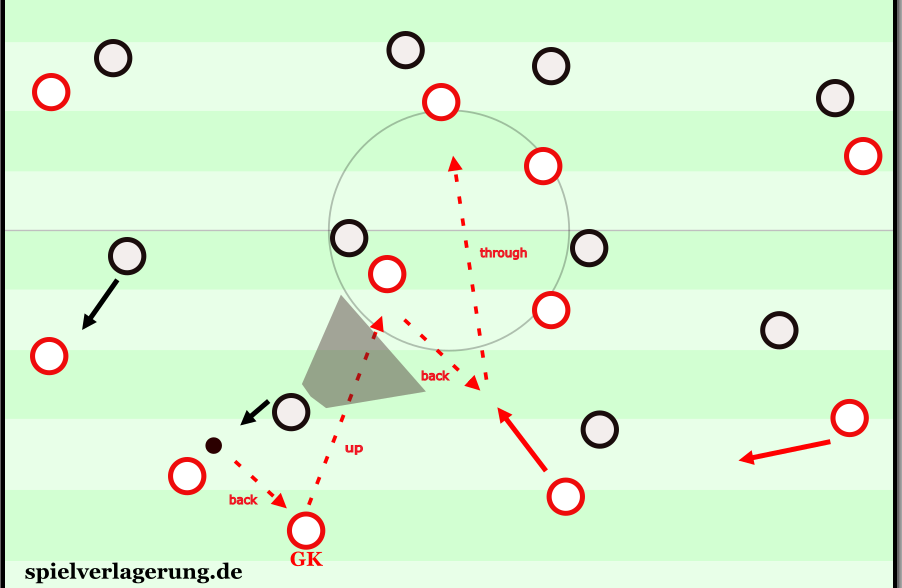
The Timing Game describes a playing philosophy in which the right moment of an action is crucial. It not only allows pressing traps to be reversed but also enables teams to break down deep defensive blocks with precision. In the Premier League, Brighton’s then-manager Roberto De Zerbi took this tactical approach to a new level. […]
Welcome back to It Was What It Was. Mikel Arteta’s transformation of Arsenal, Unai Emery’s tactical mastery, Xabi Alonso’s meteoric rise at Bayer Leverkusen, and Andoni Iraola’s fearless pressing at AFC Bournemouth all highlight a remarkable trend: A new wave of coaches shaping the modern game, many of them from the Basque Country. But why does this small region produce so many elite managers? Is it the coaching philosophy, the deep footballing culture, or something ingrained in the Basque identity? This is the story of how a new generation of Basque coaches are redefining football. If you’re enjoying the series, please subscribe and consider leaving a five-star review to help others find the show. Hosted on Acast. See acast.com/privacy for more information.
Welcome back to It Was What It Was. This week - we discuss the rise of Basque coaching. But we begin not in Bilbao or San Sebastián, but with a Catalan: Pep Guardiola. After revolutionising football with Barcelona, dominating in Germany with Bayern, and redefining the Premier League with Manchester City, Guardiola has become the defining coach of his era. But after a turbulent season at City, questions are emerging: Is this the beginning of the end for his football? Have opponents finally caught up with his ideas? Or does he have another reinvention left? This is the story of how Guardiola reshaped the modern game—and what comes next. Part two, on the Basque coaching revolution, will be released on Friday. If you’re enjoying the series, please subscribe and consider leaving a five-star review to help others find the show. Hosted on Acast. See acast.com/privacy for more information.

On Matchday 23, the two surprise teams of the Premier League faced off. Nottingham, unbeaten in their last nine matches, has impressed this season with outstanding defensive work. Bournemouth, coached by Andoni Iraola and now unbeaten in 12 games, takes a completely different tactical approach compared to most other teams. In an interview with TNT […]
Rog sits down with Bournemouth's Basque super-boss Andoni Iraola to discuss the incredible arc of Iraola's career, from playing youth football alongside Mikel Arteta and Xabi Alonso, to leading the Cherries' climb up the Premier League table, as well as the secrets behind the coaching philosophy that has brought him so much success. "Running the Game" is a new series from Men in Blazers where we speak to the brightest minds working behind-the-scenes at some of the biggest clubs in the world. We go deep on the business of football, boardroom strategy, and culture building to learn all it takes to run an elite football club today. See Privacy Policy at https://art19.com/privacy and California Privacy Notice at https://art19.com/privacy#do-not-sell-my-info.
In this week’s episode of It Was What It Was, Jonathan and Rob take a deep dive into the fascinating journey of Thomas Tuchel, the newly appointed England manager. From his early years as a player with a mature football mind, to a detour studying economics while working in a cocktail bar, Tuchel’s path to football’s elite has been anything but ordinary. Jonathan and Rob discuss how a timely call from Ralph Rangnick set Tuchel on a coaching trajectory that would see him manage some of Europe’s biggest clubs— Mainz, Dortmund, PSG, Chelsea, and Bayern Munich. They reflect on the highlights of his career, including his confidence that led Chelsea to a thrilling Champions League victory over Manchester City in 2021. Now, with Tuchel at the helm of the England national team, the duo explores what he brings to the international stage, how he might shape England’s future, and whether he can achieve the same success on the world stage that he did in club football. Join us for a compelling look at one of football’s most innovative managers, and what his unique journey could mean for the future of English football. If you’re enjoying the podcast, please hit subscribe to never miss an episode, and consider leaving us a five-star review to help others discover the show. Thank you for listening! Hosted on Acast. See acast.com/privacy for more information.
Welcome to the latest episode of The Overlap’s football history podcast, It Was What It Was. This week, Jonathan Wilson and Rob Draper explore the connection between Ferenc Puskas and Ange Postecoglou, and how the Hungarian idol influenced the Australian coach. Regarded as one of the greatest players of all time, Ferenc Puskas’s post-playing career saw him manage across the world, including stints in Spain, America, Greece, Saudi Arabia, and Australia. It was in Australia where Puskas, the manager, coached Postecoglou, the player, at South Melbourne Hellas. Jonathan and Rob detail Ange Postecoglou’s life, including the influence of his Greek father, and how Puskás's coaching philosophy left a lasting impact on him. Discover how these experiences shaped Postecoglou’s approach to management and contributed to his success. As Postecoglou gets underway in his second season with Tottenham Hotspur, join us to uncover the enduring legacy of Ferenc Puskas on one of today’s most innovative coaches. If you enjoyed the podcast, please hit subscribe to never miss an episode. Hosted on Acast. See acast.com/privacy for more information.
Download and follow Kickin’ It on Apple Podcasts, Spotify or wherever you get your podcasts! Kate Abdo, Clint Dempsey, Charlie Davies and Mo Edu welcome in CBS Sports colleague and former United States U-20 MYNT head coach Thomas Rongen to talk about his experiences as U.S. Soccer’s chief scout. Thomas opens up about his unorthodox approach to coaching, coming to America from the Netherlands, getting posterized by George Best during his NASL playing days, and his regrets about not consoling Clint and Charlie after each of them had suffered a personal tragedy. Then, the tables turn and it’s Kate’s turn to be interviewed as the guys ask about her career path, love of soccer, and succeeding in a male-dominated industry. Kickin’ It is available for free on the Audacy app as well as Apple Podcasts, Spotify, and wherever else you listen to podcasts. Follow the Kickin’ It team on Twitter: @CBSSportsGolazo, @kate_abdo, @CharlieDavies9, @MauriceEdu, @clint_dempsey Watch Kickin’ It on the CBS Sports Golazo Network, the 24-hour soccer streaming network that is available for free on connected TV and mobile devices through the CBS Sports App and Pluto TV, and on CBSSports.com, as well as Paramount+. For more soccer coverage from CBS Sports, visit https://www.cbssports.com/soccer/ To hear more from the CBS Sports Podcast Network, visit https://www.cbssports.com/podcasts/ Watch UEFA Champions League, UEFA Europa League, UEFA Europa Conference League, Serie A, Coppa Italia, CONCACAF Nations League, NWSL, Scottish Premiership, Brasileiro, Argentine Primera División, soccer documentaries and more by subscribing Paramount Plus: https://www.paramountplus.com/home/ To learn more about listener data and our privacy practices visit: https://www.audacyinc.com/privacy-policy Learn more about your ad choices. Visit https://podcastchoices.com/adchoices

On this week’s episode on The Overlap, brought to you by Sky Bet, we are joined by former Wales captain and Premier League footballer turned coach Craig Bellamy. Craig takes on Gary at the Cube in Manchester before a fascinating sit-down interview. Having clocked up over 500 professional appearances and represented nine clubs over a career that spanned almost 20 years, Bellamy does not lack in stories to tell. Find out how much of a big influence legendary boss Bobby Robson was at Newcastle United before an acrimonious fall-out with Graeme Souness led to a St James Park departure. Hear the full anecdote on his infamous Golf attack at Liverpool and which other member of the squad was involved in a separate incident on the same night. Bellamy also reveals where he was told to look for another club under Rafa Benitez. Craig reveals his own mental health battles from childhood through to career injuries and the impact of losing a close friend and former-team mate Gary Speed. Finally, we talk about how the Cardiff-born man has ventured into coaching through his love of the tactical side of the game and how he won’t be changing his philosophy any time soon. If you enjoyed the interview please hit subscribe to never miss an upload. Hosted on Acast. See acast.com/privacy for more information.

Send us Fan Mail Episode 103, Brought to you in association with our friends at Soccer Coach Weekly (@SoccerCoachWeek) Episode 103 - Using Positional Play To Better Understand The Game, a conversation with David Garcia, UEFA Coach, Coach Developer and founder of `It's Just A Sport` In this episode we talk to the awesome David Garcia about how we can use the concept of `positional play` to better understand the game. David talks us through his own coaching journey and how the Spani...
The lads are joined by former Head of Coaching at Swansea City Jonny Grey and talk about how it’s been a long time coming for Jonny’s appearance on AiC, signing a special contract with the Swans as a youngster, Jan Molby being a top drinker and a top player and Oli McBurnie being a top lad. Jonny talks about his basic ethos to help develop players, how there should be a statue of Roberto Martinez outside the stadium, his wild days with the AiC boys in Royal Mail and saying farewell to the Swa...
Side x Side with Steve Zakuani and Brad Evans is back for its 6th season! Our hosts are joined by new Sounders FC PxP voice, Danny Jackson, as they breakdown the first two matches of the season, and preview Saturday's road match vs an upstart FC Cincinnati. Zakuani and co also look back at the history of the Sounders, and discuss what makes a good coach in soccer and MLS.

Gary is joined by Jack Ross, UEFA Pro License and former head coach of Dundee United, Hibs, St Mirren and Sunderland. He talks about his experiences of building and executing a flexible football philosophy and offers insights on how to communicate and manage it when the pressure is on. This podcast is sponsored by Football Careers, the global football recruitment company that specialise in recruiting for clubs, colleges, universities and private soccer academies around the globe. In addition to their specialist recruitment services they support candidates at all levels in the game with professionally designed football resumes. They have been kind enough to offer Modern Soccer Coach podcast listeners a 20% discount on their marketing products using the code MSC20 at the checkout. Check them out at https://www.footballcareers.com/curriculum-vitaes/

Adam Leventhal is joined by Daniel Taylor, Jay Harris and Dutch journalist Sjoerd Mossou for a looking into one of the most fascinating coaches to shape modern football: Louis van Gaal. Ahead of the Netherlands quarter-final tie with Argentina the panel debate and discuss the career of the 71-year-old including his time at Manchester United as well as how he has cultivated a 'loving' atmosphere within the Dutch camp. There's reflections on his personal battle with cancer in the build-up to the tournament as well as how he has brought his collection of unlikely lads, including goalkeeper Andries Noppert to the cusp of greatness on the highest stage. Hosted on Acast. See acast.com/privacy for more information.
Send us Fan Mail Welcome to the GP Soccer Podcast! Season 7 has kicked off! This popular show will continue to feature expert guests, outstanding commentary, and high-quality information for all those involved in teaching the game. With the World Cup only weeks away, host Giovanni Pacini will be offering insightful analysis as well as from expert guests. Listeners are encouraged to be GP Soccer Podcast super spreaders by sharing the show among those within their social media network! Th...

Gary is joined by Khano Smith, who is currently an assistant coach for USL Championship club Birmingham Legion and has also worked as an assistant coach in the NWSL for the Orlando Pride. He's also a former professional player at New England Revolution, Lincoln City, and has represented the Bermuda national team 33 times. We talk about the art of being an assistant coach: - Creating the relationship with head coach - Facilitating positive and negative news to your head coach - Balancing the support role with the players - Lessons from the late great Paul Mariner - And much more! Please check out Modern Soccer Coach new book: Detail – if you enjoy the podcast, we breakdown a ton of interviews relating to game models, data, development, psychology, leadership and staffing….. and look at how they all work together. Get your copy now on the link below: https://www.modernsoccercoach.com/product-page/modern-soccer-coach-detail
Send us Fan Mail Episode 79, Brought to you in association with our friends at Soccer Coach Weekly (@SoccerCoachWeek) A Look At Football In The English Premier League During Th...
Send us Fan Mail Episode 78, Brought to you in association with our friends at Soccer Coach Weekly (@SoccerCoachWeek) Principles of Play and Developing Skill, a conversation with Peter Prickett, football coach and author. In this episode we discuss principles of play, developing skills, 3v3 and much more with football coach and author, Peter Prickett. Peter talks us through his coaching journey, philosophy and his 3 books (Football Principles of Play, Developing Skill 1 and Developing S...
Send us Fan Mail Episode 74, Brought to you in association with our friends at Soccer Coach Weekly (@SoccerCoachWeek) The Soccer Coach's Toolkit, a conversation with Rob Ellis (@rob_coach82), UEFA B, Teacher, Chelsea Foundation Phase Coach and Author In this episode we discuss coaching influences, philosophies and The Soccer Coach’s Toolkit book with author and coach Rob Ellis. Rob talks us through his playing and coaching journey and shares what influenced and most significantly...
Showing 1-50 of 71 articles