Article Type
Feature
Long-form feature story
2,624 articles
Articles tagged “Feature”
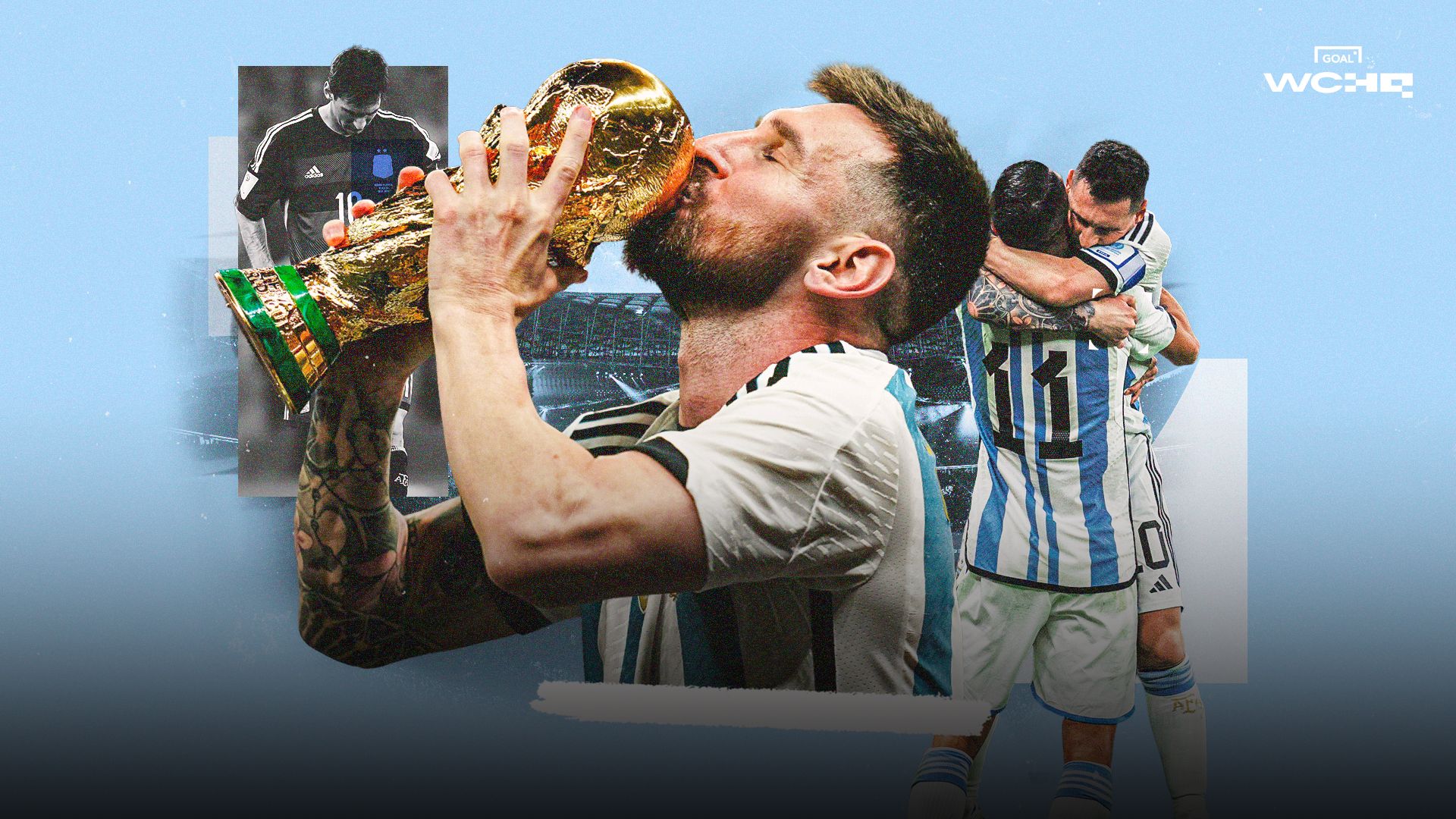
Ai Mondiali disputati in Qatar, il capitano dell'Argentina ha superato le aspettative per immortalare la sua eredità nell'unico modo che gli mancava.
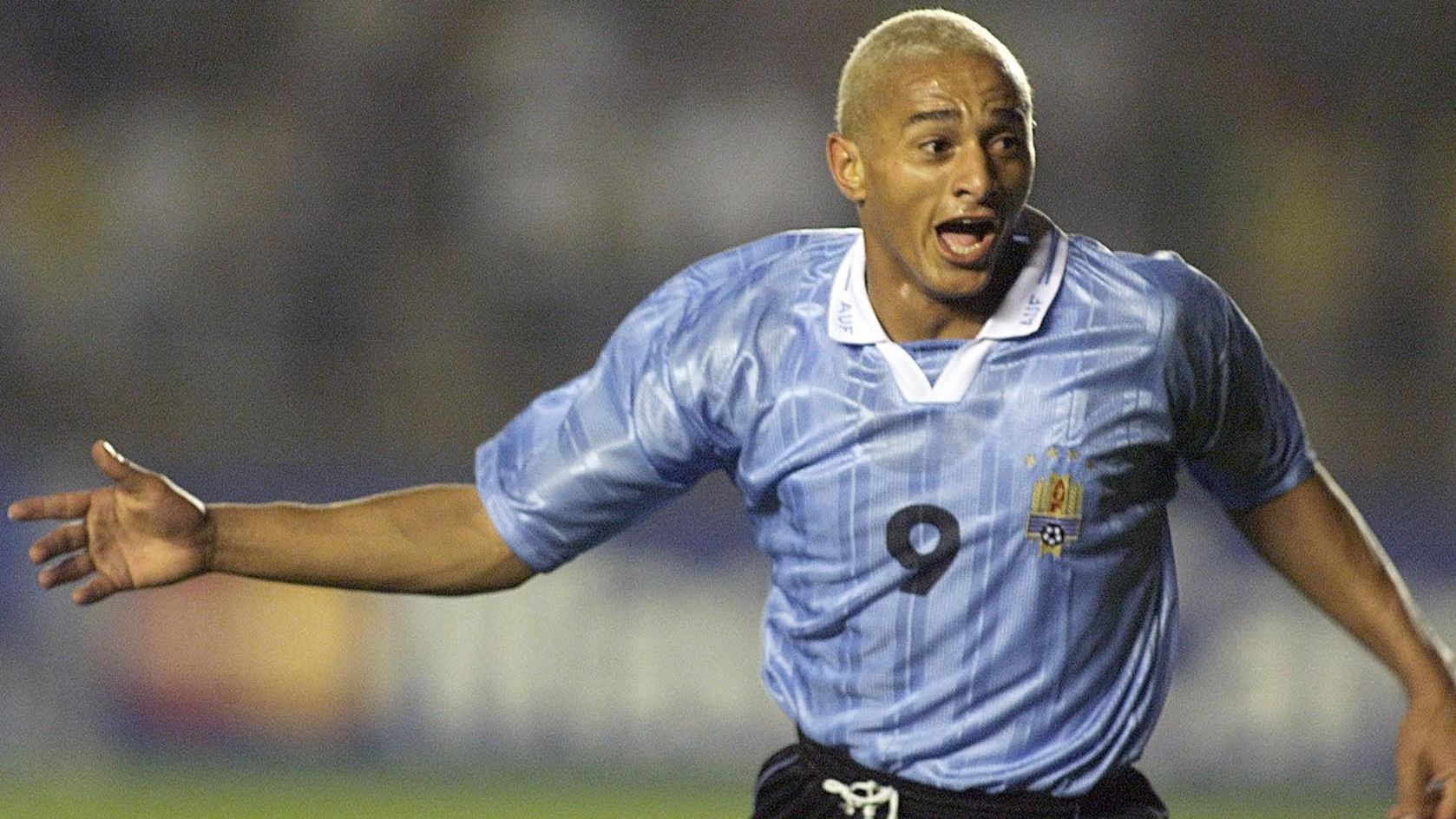
Attaccante uruguaiano rapido, con il senso del goal, in Italia per tre anni, con la maglia del Cagliari dal 1995 al 1998. Dario Silva in un'intervista a La Gazzetta dello Sport è tornato sulla sua carriera e sull'incidente del 2006 che gli ha cambiato la vita: "Mi sono distratto per prendere una fetta di torta rimasta incastrata tra i pedali del mio pick-up e mi schiantai contro il guardrail. Mi amputarono parte della gamba destra, volevo morire". "LA SCIMMIETTA" DI CAGLIARI "A Cagliari per tutti ero “Sa Pibinca”. Quel nome me lo diede Massimiliano Medda, un comico cagliaritano. In sardo significa “scimmietta”: ero un attaccante sempre in movimento, mi appiccicavo agli avversari e davo fastidio. A volte ero ingestibile e, senza fare male, tiravo anche qualche calcetto ai difensori per stuzzicarli" DAL CAMERIERE ALLO SCOUT "Dopo il mio ritiro ho lavorato a Malaga in una pizzeria di un amico, facevo il cameriere. Aveva tanti coperti e serviva personale, così mi sono proposto per aiutarlo. Ora faccio lo scout per il Cadice. Giro i campi qui in Sudamerica e cerco di trovare i talenti da portare in Europa”. "HO RITROVATO LA FELICITA'" "Anche senza una gamba si può essere felici. Fortunatamente mi ero già ritirato dal calcio. Nel 2012 ho avuto l’opportunità di partecipare alle Paralimpiadi di Londra, nel canottaggio, ma per vari motivi non ci sono riuscito. Lo sport resta una parte fondamentale della mia vita: vado spesso in bicicletta e nel 2009 sono tornato in campo per una partita di beneficenza" MILAN, IL GRANDE RIMPIANTO “No, il rimpianto è non essere andato al Milan, la squadra che ho sempre tifato. Gullit e Van Basten sono stati i miei idoli”.
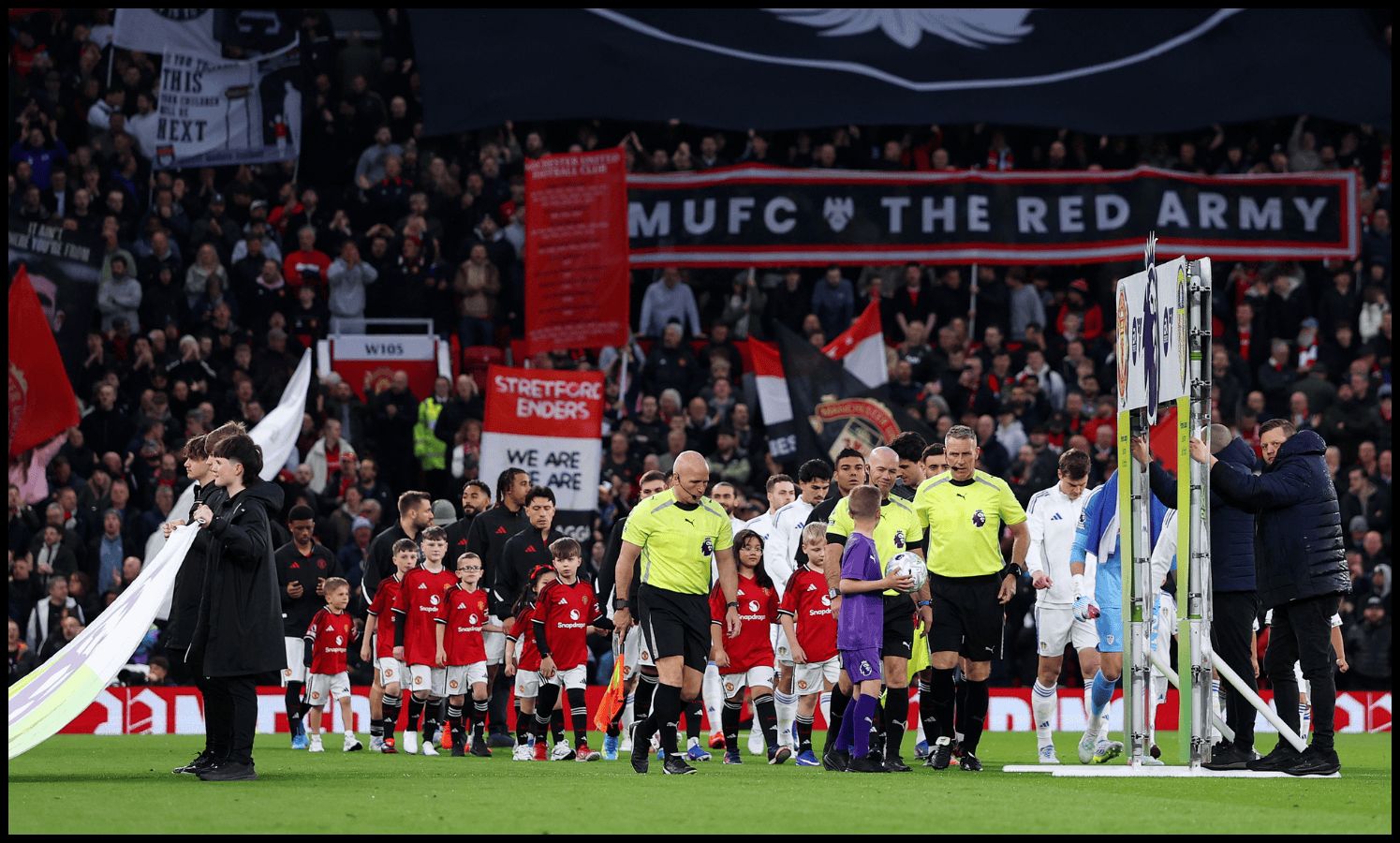
Lee Sharpe has hailed Amad Diallo’s ‘exceptional’ work rate, but voiced concerns over his play being slightly too comfortable. It has perhaps shown in the Manchester United star’s goal returns, as he hasn’t scored or assisted since his final match before departing for the African Cup of Nations last December. DOWNLOAD THE OFFICIAL STRETTY NEWS […] The post Sharpe says MUFC have an ‘exceptional’ star in their ranks, but he’s playing too safe to take himself to the next level appeared first on Stretty News.
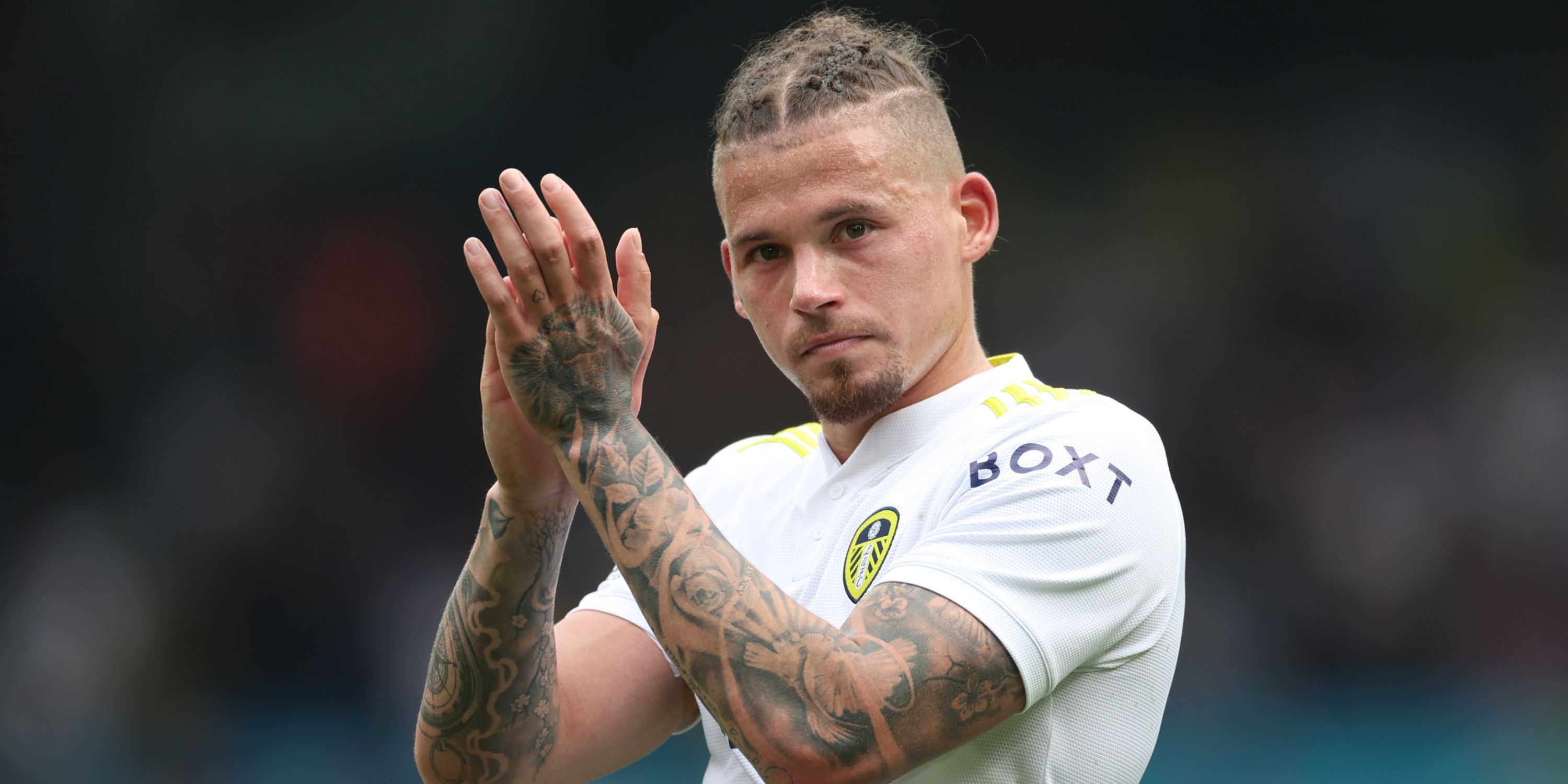
Daniel Farke's Leeds United side are edging closer and closer to survival, with one key man playing a crucial part.

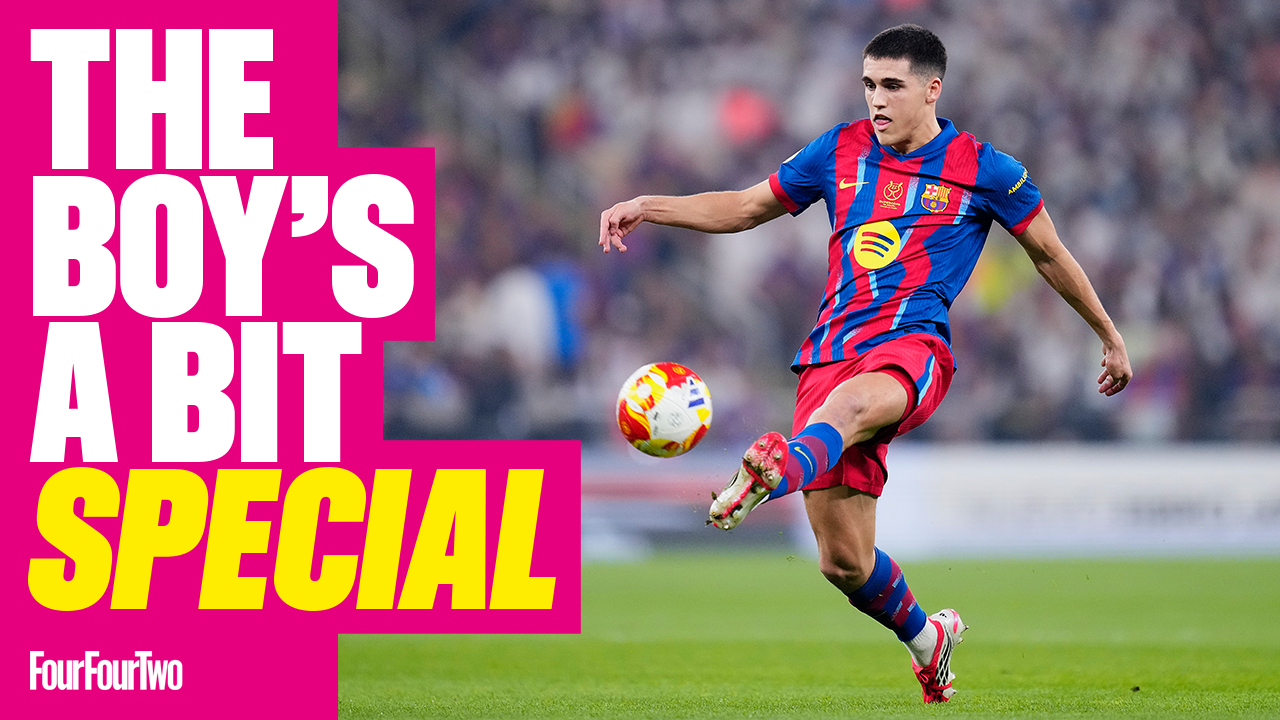
Pau Cubarsi promises to be one of the standout young players at the 2026 FIFA World Cup
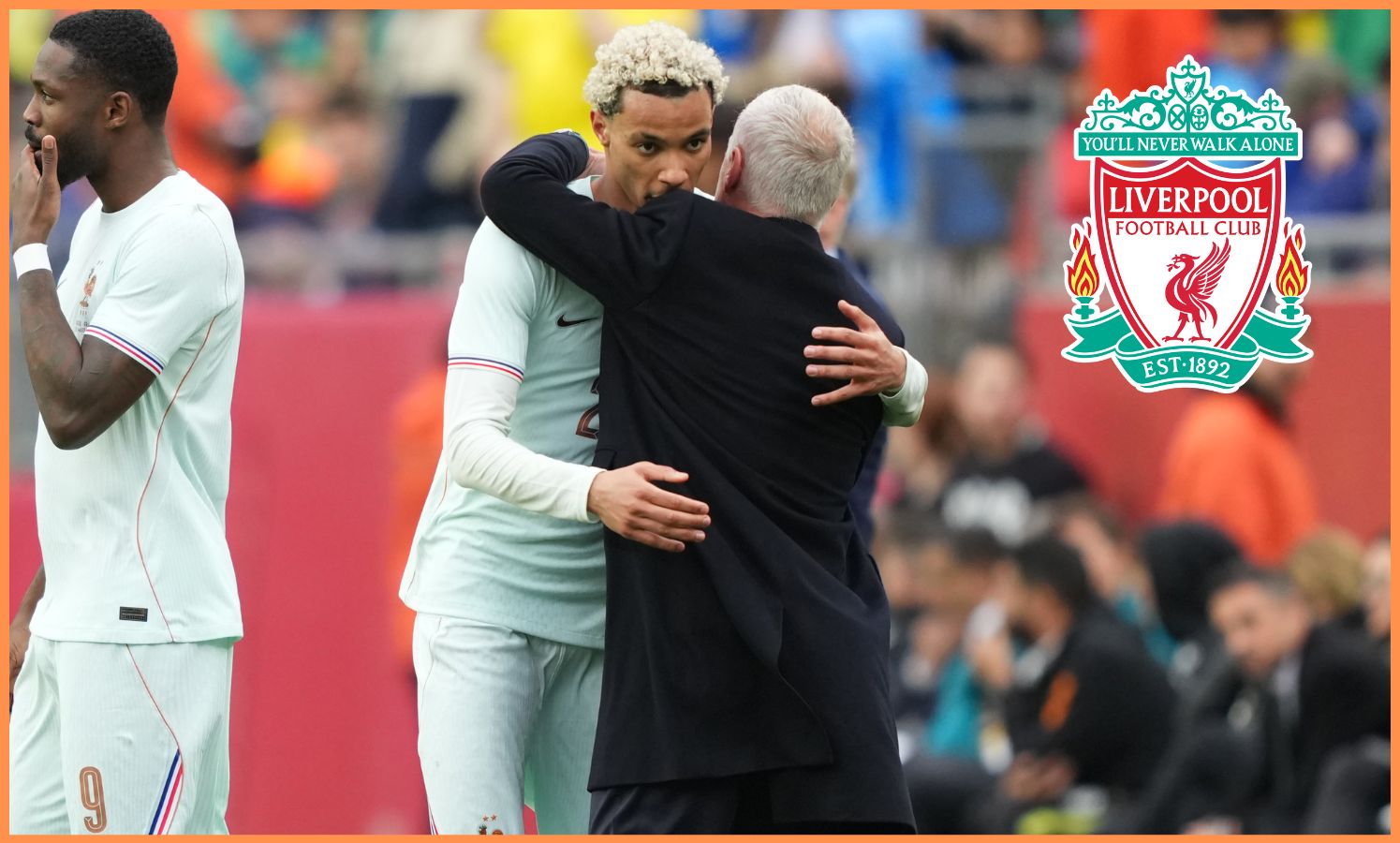
France national team manager Didier Deschamps has sent a heartfelt message of support to Liverpool striker Hugo Ekitike after a serious injury ended his World Cup hopes. Ekitike has suffered a suspected Achilles injury, which could likely put him out of action for the next nine months, with Deschamps admitting it’s a “huge blow” for […] The post “Huge blow…” – Manager sends message to Liverpool star who’s set to miss World Cup appeared first on CaughtOffside.

Newcastle United will likely need to sell a big-name player this summer, but which of the main candidates would be the most painful to lose?

Mo Salah might yet challenge for the worst Liverpool farewell tour ever, with Arsenal and Manchester United icons also signing off on a low.
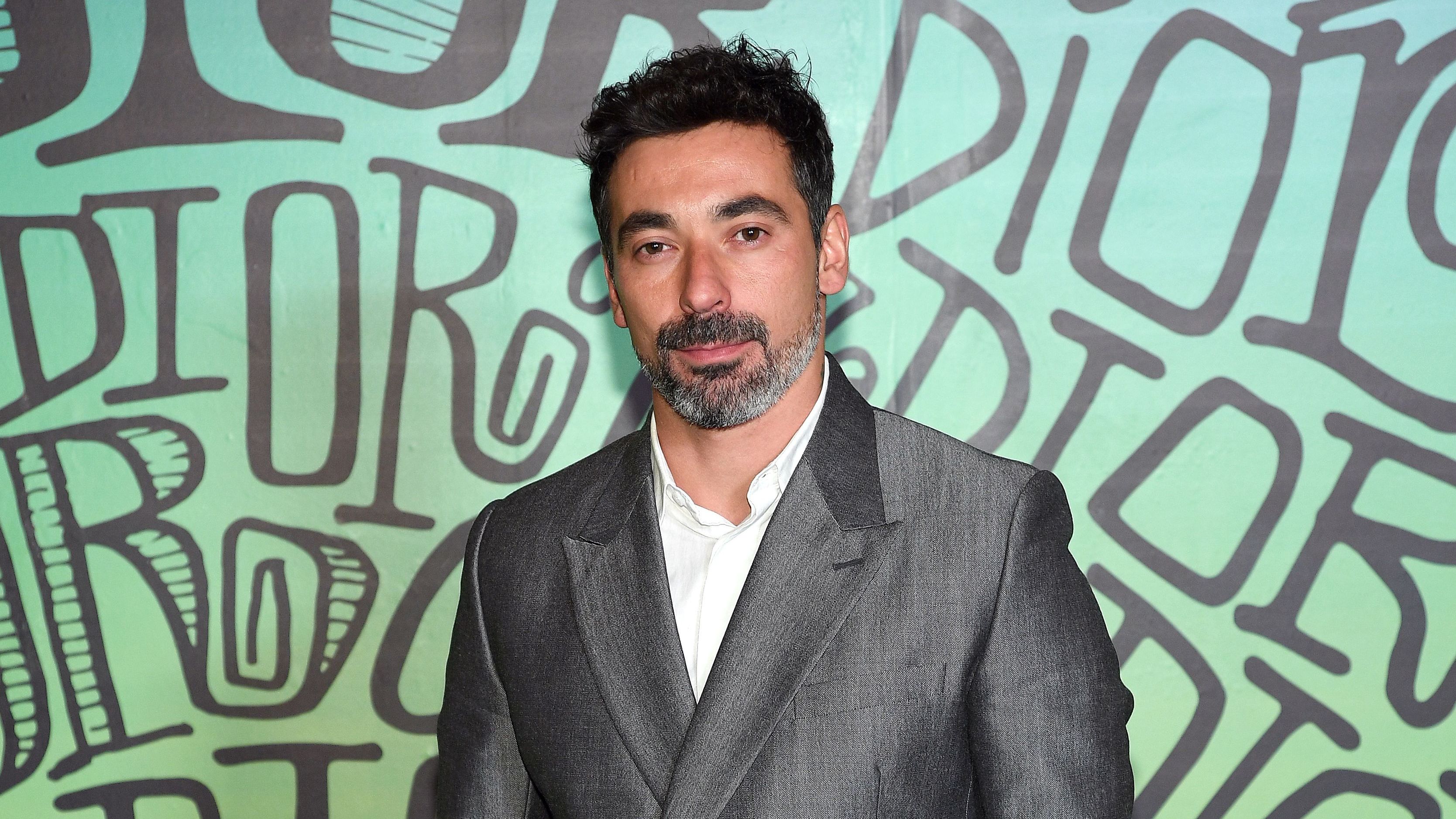
El Pocho oggi è uscito da un tunnel buio nel quale si era infilato dopo la fine della carriera da calciatore

Former Everton and Swansea man Gylfi Sigurdsson has extended his playing career into the second half of his 30s following his spell in the Premier League

Former U.S. men's national team player Dax McCarty joined "First Things First" to discuss the USA ahead of the World Cup.

United States Men's National Team legends Landon Donovan and Tim Howard break down Folarin Balogun's recent form for Monaco. @Coorslight | #CoorsLightPartner

Sadovnik is in his fourth year as the lead play-by-play voice for Apple TV’s presentation of Major League Soccer, after 17 seasons with Telemundo and five years at Gol TV. The post Sammy Sadovnik on his Emmy nomination for MLS play-by-play and prepping for 2026 World Cup radio with Carlos Bilardo’s words on his mind appeared first on Soccer America.
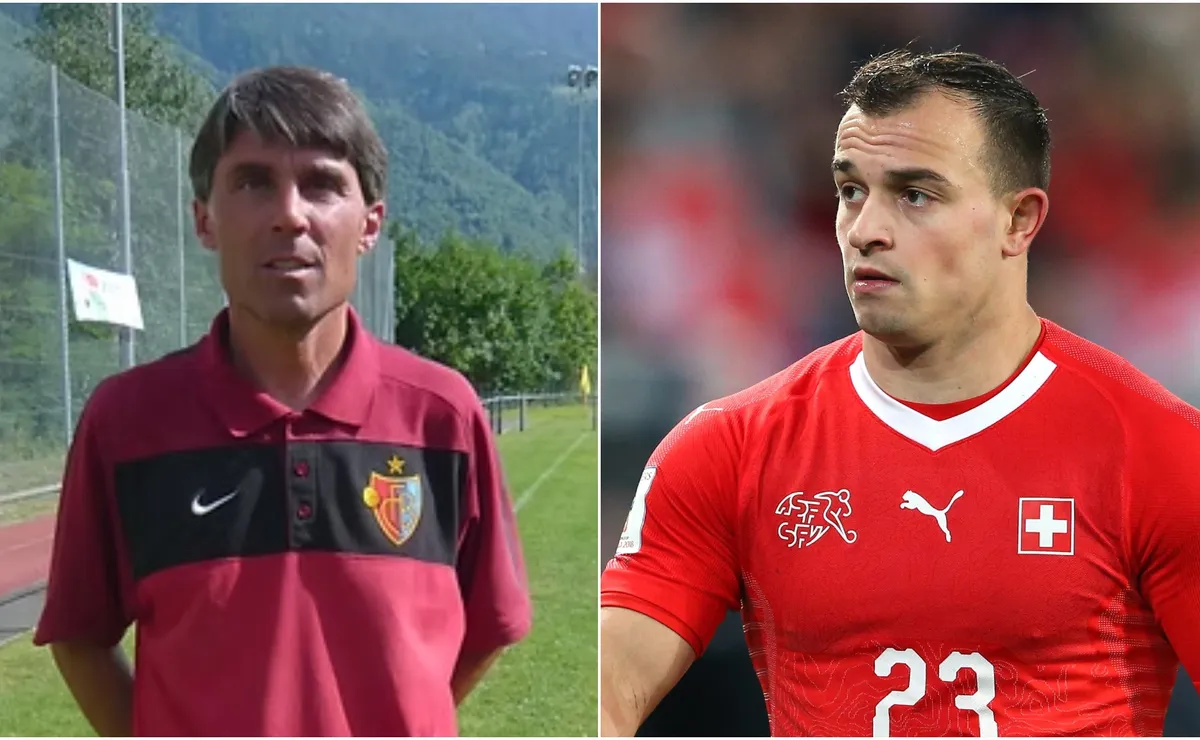
Argentine youth developer Facundo Alvanezzi discusses his 11 years at FC Basel, his role in shaping stars like Granit Xhaka and Xherdan Shaqiri, and why fostering "hunger" and embracing mistakes is the secret to producing elite talent. Alongside the technological leaps of the 21st century, soccer has evolved through the implementation of new instruments and methodologies embraced by clubs across all levels of the game. Yet technology alone does not always translate into better players or better human beings. World Soccer Talk had the opportunity to sit down with Argentine youth developer Facundo Alvanezzi, who spent 11 years at Swiss club FC Basel between 2008 and 2019. Having trained in South America and studied the methods of some of Europe’s most renowned clubs, including FC Barcelona, AC Milan and Bayern Munich, Alvanezzi applied his knowledge to help produce elite talents such as Granit Xhaka, Xherdan Shaqiri and Fabian Schär, among others. A former professional player in Argentina who also played in Italy, Alvanezzi began his coaching career at Aldosivi before departing for Basel in 2008. Moving from scheduled training sessions with limited soccer balls, “compensated by the amount of talent,” to an environment where every youth team trained on a heated pitch, had balls for every player, full kits and access to psychologists, nutritionists and other health professionals represented a dramatic shift in perspective. FC Basel and a commitment to youth development Already proficient in Italian from his playing days, Alvanezzi still had to immerse himself in the cultural and linguistic demands of his new environment, all in service of what he considers the cornerstone of his work: communication. In a single training session, he might move between Italian, French, and German while coordinating multiple groups of young players across state-of-the-art facilities designed to maximize their development. FC Basel’s U-14 squad. “A club like Basel worked with all 14 or 15 age groups all at the same time. The First Division had its own separate pitch. But for everything related to the youth levels from U21 down, everyone had their own respective pitch. Even the littlest ones, the 5 and 6-year-olds, had their own synthetic fields with dimensions suited for 5 or 6-year-olds. Just to give you an idea—no time was wasted there. In other words, time is utilized in a way that enriches you instead of being a deficit that hinders the development of future players.“ Alvanezzi then put into context the remarkable achievement of a small nation punching well above its weight. “You can’t forget that Switzerland has a population of between 6 and 7 million inhabitants, so the emerging talent back then was very scarce. They did an extraordinary market study so that today they have 17, 18, 19, and 20-year-olds—which didn’t happen before—playing and qualified for the next World Cup in the US, Mexico, and Canada. So, basically, everything related to infrastructure and planning… whether you like it or not, having that entire grid set up allowed me—as someone passionate about football who loves being on the pitch—to work peacefully. I knew I had my designated pitch to work with the U15s, the U16s, the U17s,” he added. The role of a youth developer and the cultivation of talent A fluent Spanish speaker, Alvanezzi describes himself as a “formador de juveniles,” a youth developer rather than a coach, drawing a sharp distinction between the two roles: “The developer (formador) teaches and builds; they earn very little, if anything at all. In terms of titles—U14s, U15s, the Reserves… I don’t care about those. The coach (entrenador) is there to train, to play, to compete, to get points, to win a domestic league, a Libertadores, a Euros, a Champions League, or a World Cup. They are two completely different things. That’s why there aren’t many coaches developing players, and there aren’t many developers coaching elite teams.“ Another key principle in his approach is trusting the creative instincts of young players rather than issuing directives, recognizing that the youth phase is when information can have the most profound impact. He pairs this with a cosmopolitan perspective while never abandoning his own core beliefs. Facundo Alvanezzi on the touchline. “In other words: at no point do I impose. I don’t impose knowledge, authority, or didactics—nothing. I seduce. Those are two completely different things. And I try to seduce through knowledge. Because when you have knowledge, you can ‘disarm’ the player; when you explain the how, the when, the where, and the why. Of course, when I go somewhere else, I adapt, but I cannot renounce my genes.“ When he arrived in Switzerland, Alvanezzi found himself surrounded by cutting-edge technology, GPS tracking and gym equipment, yet he remains committed to the idea of developing players “with a ball.” “In player development, I adapted to the systems, but with my own imprint. I carry the Argentine imprint everywhere. It’s this: I watch a player—how he walks—a 5-year-old, a 10, 15, or 20-year-old. I watch him walk. I throw him a ball. I watch him make a couple of touches—juggling in the air, a change of direction. And right then, I realize what that footballer might be capable of. Or not,” he explained. The value of mistakes in youth development Elite clubs increasingly measure the success of their youth teams by silverware, mirroring the pressure placed on the first team. But for Alvanezzi, perfection is not the goal. Forcing young players into rigid systems, he argues, sends them to the first team with significant blind spots, and he views the ability to make mistakes as one of the most valuable learning tools available. “Here are players I can ask to play a football of possession and position. And then there are footballers to whom I have to say, ‘You: control the ball, don’t carry it, and pass it to a teammate.’ Meanwhile, for another player—because I go against the establishment and the system—,” Alvanezzi said. “I believe one of the virtues I have in this vocation of developing players is that I value the error. From the error, I create the virtue of the success. In the context of teaching, I don’t criticize the player; I seduce him. ‘But what if I struggle, I lose the ball, it’s hard for me, and they score on us?’ And what’s the problem? I don’t want my trophies and medals hanging in my house. What good are they to me? If, in the end, I didn’t get any player to move up to the First Division. If I didn’t develop a single player for the first team,” he added. Alvanezzi, who says he has not a single medal or trophy displayed in his home, considers the players he has helped reach the elite level to be his true honors: “Now, my ‘medals’ are an average of 45 to 50 players who reached the top level. Especially at Basel. We had a coach like Thorsten Fink, who helped us a lot and used to play for Bayern Munich. He helped us bring up kids at 16 or 17 years old. I had the pleasure of training players like Yann Sommer, Granit Xhaka, Shaqiri, Breel Embolo, Noah Okafor, Fabian Schär , Eray Cömert, Neftali Manzambi, Raoul Petretta, Cedric Itten—an immense number of players. Those are the medals one gets to hang up.“ He then stressed that the developer’s job demands patience and an embrace of the mistake. “They need to learn to play with the right foot, with the left foot, and have a lot of contact with the ball. When I arrived at Basel and asked for—for example, the squads there are 18 players—I asked for no less than one ball per player. At first, they just looked at me. ‘Why one ball per player?’ Because, what did I achieve over the years? That in an hour and a half, the players went from an average of 200 touches in a standard session… once I integrated the technical and game-based training, that multiplied to 1,400 daily touches with the ball. The more touches you have, the more you polish the errors.“ In an environment dominated by innovation, Alvanezzi believes the fundamentals are often left behind, and his street soccer mentality changed the culture at Basel. “In Europe, ‘soccer practice’ (11v11) doesn’t exist. From Monday to Friday, it’s all small-sided games. Everything. So when I got to Basel, imagine the resistance from the other coaches. They told me, ‘No, Facundo, you’re crazy. The players will get injured; we don’t do that here; everything is small-sided.’ “And I told them, ‘The 11v11 is the symptom for Saturday or Sunday; it’s how you know which player you can count on and which one you can’t. You might think you can count on someone, but on a full pitch, it becomes too big for them, and they become completely disorganized. We need a parameter.’ Well, I implemented it at Basel until it became their own ‘modus operandi’ that on Thursdays, we did the 11v11 practice. The teams started improving exponentially because they were finally playing football not in a 20×20 or 30×30 space, but in 100×65—which is where real football is played,” he added. ‘Hunger’: the defining trait of the players who made it Among the many stars Alvanezzi has helped develop, a common thread runs through the backstories of those who reached the highest level: adversity. Both Xherdan Shaqiri and Granit Xhaka were born and raised in a disintegrating Yugoslavia amid violence before finding asylum in Switzerland. Breel Embolo‘s path was similar, leaving Cameroon with his family before settling in France and eventually Switzerland. That contrast between their upbringing and those of more comfortable peers is precisely what Alvanezzi calls “hunger,” the spark that gave them a decisive edge. “From an early age, when you watch them train—unlike the vast majority of Swiss youth developers who never experienced need—these were kids of struggle. They are born, raised, and developed out of hardship. So, the only possibility they had to emerge—unlike other great Swiss talents I had at Basel who didn’t make it—they weren’t going to make it because they lacked that ‘hunger.’ That potentiality of saying, ‘Through soccer, I am going to help my family; I am going to emerge; I am going to be somebody.‘” Alvanezzi then reflected on the social realities that shaped Xhaka, Shaqiri and Embolo. “They lacked even the most basic conditions in an elite, first-world country. They were segregated because they weren’t Swiss. They are three starters for the Swiss national team who have played in World Cups, but Breel is from Cameroon, and the other two are Kosovar. When society wasn’t integrating them, but they were useful to the national team football-wise, they nationalized them.“ Alvanezzi with Neftali Manzambi, Breel Embolo, and Charles Pickel. He then illustrated how that hunger translates into a measurable competitive advantage. “Genetically, all of that plays in their favor, 80 or 90% more than the well-off Swiss player… That “plus” works in your favor. While they came to training on foot or by tram, the vast majority of players of Swiss origin came every day with their fathers in a different car—a Mercedes-Benz, a Porsche… That factor of having nothing missing ends up working against you. Since you have everything, what am I going to be ambitious about? Playing in a World Cup? I’m not interested. Reaching the first team? If I make it, I make it, and if I don’t, I still have everything,” he stated. A memorable trip to South Africa In 2010, following the World Cup in South Africa, Alvanezzi traveled to the country for fifteen days representing the Swiss U15 national team with Basel at the Danone Nations Cup, competing against teams from Japan, Argentina, China, England, Italy and others. What left the deepest impression on him, however, was not the competition itself but the cultural awakening it triggered among his Swiss players and the youth developers around them. “They didn’t know what it was like for a kid not to have a cell phone, or to walk around barefoot. They couldn’t understand why colored people sat at one table and white people at another because of the legacy of apartheid. All the Swiss kids traveled with the latest cell phones. They would leave half of their plates full of food. And 50 meters away, at the fence in a gated area of the complex, local kids would come to beg for food,” he recalled. FC Basel youth squad in 2010 Danone Cup. “Along with several other Latino coaches, I would gather the leftover food and give it to them. It reached the point where FIFA was going to fine me, because they said I wasn’t allowed to feed the people. And I told them: ‘Why not? It’s the most important thing; they’re hungry. The only one who understood it on that trip was Breel Embolo,” Alvanezzi added. Talent, mentality and the cohesion of a group One of the most enduring debates in sports is whether the right mentality can outshine raw talent through sheer hard work, or whether that notion is simply wishful thinking. For Alvanezzi, the two qualities are not in competition but are complementary, with every player on a team assigned a specific purpose that allows both to coexist. Using the contrasting examples of Erling Haaland and Rayan Cherki, one a physical force of nature, the other a pure embodiment of technical brilliance, he illustrates how different profiles can coexist within the same system “They are complementary and different at the same time. You can link this to the aspect of mental construction. Mentality is also something you develop. If I convince you that in three years you have to improve your heading or your left foot, and you end up doing it in a match to stop a counter-attack… that is mentality,” Alvanezzi stated. “When you see Haaland playing with his back to the goal, he looks like an average player; put him facing the goal, and he’s an animal. He hides his deficit in back-to-goal play—and tries to do it as little as possible—but he has an above-average mentality that allows him to fail ten times and try again. Cherki, on the other hand, relies entirely on his talent. He has a different mentality, but he understood that to stay at the elite level, he must not interpret that (reliance on talent) as a fragility,” he added. While Alvanezzi acknowledged that mental strength is partly something “you bring it with you, but you can also incorporate it,” he was equally quick to point out that he has seen players with extraordinary talent but no capacity for hard work, and others with far less natural ability but the psychological resilience to make it to the top. Bridging that gap, he argues, is just as much the developer’s responsibility as any technical instruction. “Mental construction is also developed. If I talk to you and try to seduce and convince you of your errors with respect, you will be more receptive. Today, kids are given 20 hours of leisure time outside of training, and we don’t teach them how to think. But to develop players, you must be emotionally well-constituted and rationally grounded. If you aren’t vocational and emotional, you cannot develop players; you should do something else.“ Beyond individual qualities, Alvanezzi insists that everything must be considered through the lens of the collective, where a single weak link can unravel even the most talented group: “The developer has to work with a clear idea and a common goal. The ‘mind’ of the team, 90% of the time, has to be uniform. If it isn’t uniform, the group disintegrates, no matter how much talent you have.“ “If mentally you are thinking ‘white’ and I am thinking ‘black,’ and we have to play with a red ball, but neither of us wants to yield, it means we aren’t complementary. Individualism and egocentrism generate a very large negative impact. We all row to reach the shore and save ourselves; it can’t be that one rows right and another rows left, leaving us in the high seas until a wave drowns us,” Alvanezzi concluded. Stress: the invisible enemy of athletes As in any high-performance discipline, stress management has become one of the defining challenges in modern soccer, a sport that has seen its fixture calendar grow to near-unsustainable levels. “Players today have an enormous match load. They play 80, 90, 100 matches a year. In my era, that didn’t exist. And that carries an enormous physical, mental, and psychological toll, which is one of the many reasons why footballers get injured. Everything is connected. And if the head isn’t right, the body will never be right,” Alvanezzi stated. Xherdan Shaqiri of Basel (Daniela Porcelli/Getty Images). With stress affecting muscles, tendons and bones alike, conventional metrics like GPS data and weight measurements become meaningless when the mental aspect is ignored, he argues. “A player will always tell you they are at 100%. I liked, and I still like, for the player to train at 50% or 60%. If a kid trains at 100% five days a week and then tries to play at 200% on the weekend, they end up getting hurt. Sooner or later. It’s a universal law.“ These pressures are not confined to the professional game, extending deep into the youth system as well. “Let’s take away the weights, take away the GPS, work more on the mental side, and talk to the footballer. When a footballer tells you they want to stay 60 minutes longer after training… ‘No. Go home. Rest. Eat well. Take a nap. Look after yourself. Read, watch a movie. Relax. Do yoga. Meditate.’ But for all of that, you have to talk, and you have to be prepared,” he stated. Alvanezzi also addressed the lack of preventive awareness he has observed at the youth level: “That’s why I like it when a player comes and tells me: ‘This and that is happening to me.’ ‘Don’t worry. You’re not playing this match; you’re going to train at 50%.’ I’d rather give you two weeks of rest than have it be six months of forced leave due to a ligament tear. Today, there is no prevention because we, the developers, aren’t prepared to prevent; we are competitive, egocentric beings who want to win everything, forgetting that we don’t play anymore.“ U.S. soccer and MLS evolution: the legacy of 1994 Through friends living and working in the United States, and despite acknowledging that his English is far from perfect, Alvanezzi has been able to witness a genuine transformation in the country’s soccer culture, one he traces directly back to the 1994 World Cup, when MLS was widely seen as nothing more than a retirement league. That perception, he says, has been thoroughly dismantled. “Today, football in the US—I’m not saying it competes head-to-head with baseball, basketball, or ice hockey—but it has gained a very prominent position. It’s no coincidence that Lionel Messi, the most emblematic figure in world football today, is playing in MLS. Players who before, as you said, came perhaps for a final retirement to spend their last seasons in a low-caliber competition, find it’s a different world now. It has grown so much that renowned players prefer to come to MLS rather than go to a country in the Middle East or Asia.“ While acknowledging that MLS remains a league in the midst of its evolution, Alvanezzi offered a measured timeline for when it could fully establish itself at the highest level. “The evolution in terms of the training and qualification of the coaches and developers is very good. I have excellent references. Like any expanding football in a developmental stage, I think it will take them another 5 to 10 years to consolidate. It usually takes 10 to 15 years for a major league to stabilize and reach an international competitive level. They are currently in that developmental process from every point of view,” he stated. The influence of Latinos in U.S. soccer Once considered a secondary destination for professional development, the United States has transformed into a country that offers genuine, high-level opportunities for coaches and developers alike. That growth has been driven in part by soccer’s surging popularity, the influence of the Latino community, and high-profile figures like Lionel Messi and David Beckham, who have brought the sport to new audiences across the country. Lionel Messi greets David Beckham, co-owner of Inter Miami CF (Elsa/Getty Images). “There are many Latinos and Argentines working in development at important clubs and academies. It is expanding in a very interesting way. They take the culture they don’t have—they are very pragmatic in that sense. Whatever they lack, they acquire it. Don’t ask me how, but they go after it. If they don’t have a qualified scientist, they go find one in Germany, Norway, or Sweden and bring them to their country to make it evolve. They do exactly the same with soccer.“ For youth coaches specifically, the shift in available resources has been nothing short of transformative. “They start from the foundation: youth development. And because of their immense purchasing power as a nation, they can leverage incredible infrastructure. Being in an academy there—even one not affiliated with a famous MLS club—means having 4, 5, or 6 pitches to train on. They have indoor gyms for “fast football” when the weather is bad. Material in abundance. For a developer like me, who dealt with hardships starting out in Argentina—not in terms of talent, but in terms of equipment and structure—imagine what that solves.“

Brazil head coach Carlo Ancelotti has taken the extraordinary step of consulting the country's president, Lula, over whether Neymar should be included in the squad for the 2026 World Cup.

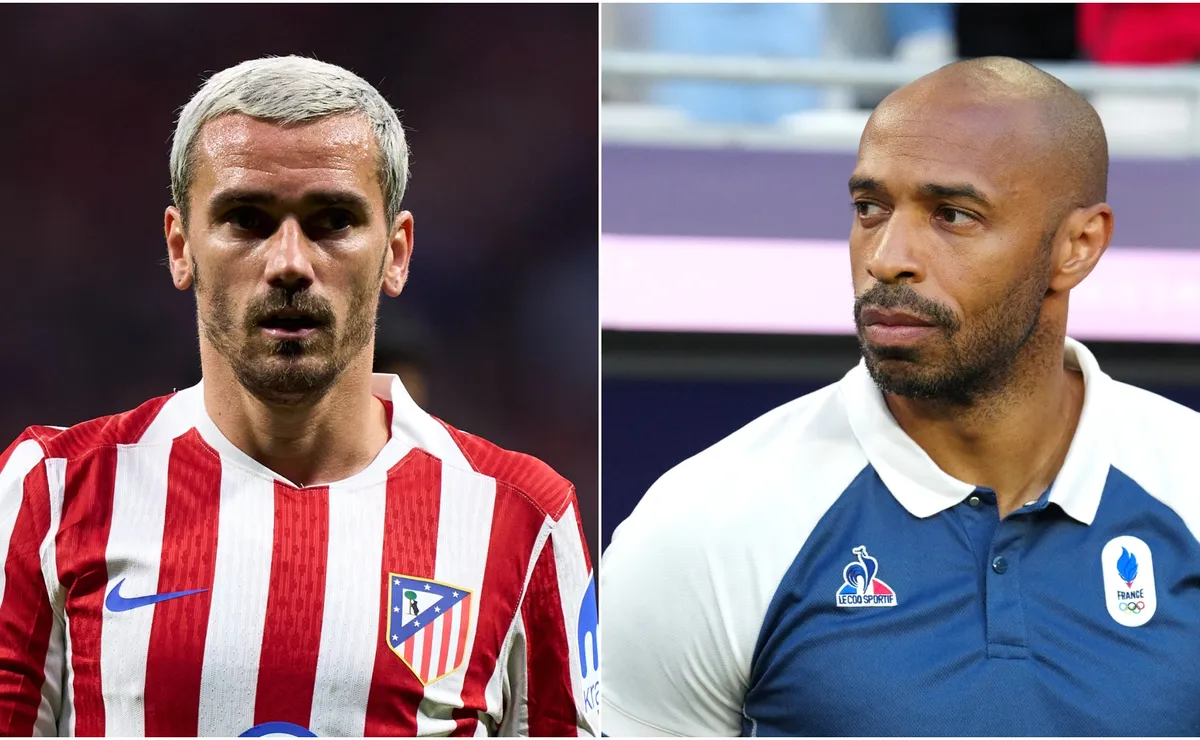
France legend Thierry Henry offered help to Antoine Griezmann as he prepares for his next chapter in Major League Soccer with Orlando City. Antoine Griezmann will bring his time at Atletico Madrid to an end this summer and will try his luck in Major League Soccer with Orlando City. Months ahead of that move, France legend Thierry Henry offered his help as the forward looks to adapt to soccer in the United States. In the moments following the match against Barcelona — in which Los Colchoneros secured qualification for the UEFA Champions League semifinals — Griezmann gave an interview to CBS Sports, where Henry works as an analyst. That led to a rare on-air exchange between the two French icons. “Antoine, Antoine, I have something to tell you: thank you for everything you have done for French soccer, the national team, and the game in general. You have given me a lot. I wish you all the best,” Henry began, recognizing the career Griezmann has put together. But the 1998 World Cup champion did not only praise the 35-year-old forward for his past, he also turned his attention to the challenges ahead. “I hope you finish your time at Atletico Madrid well, and good luck in Orlando,” Thierry added. “I know MLS very well — anything you need regarding your time there, I’ll be happy to help.” Thierry Henry played for New York Red Bulls between 2010 and 2014. Henry made his mark in MLS The current state of MLS — with an increasing number of high-profile, world-renowned players — was built on the gradual arrival of stars over the past decades. One of the first major names to move to the United States was Thierry Henry, who joined New York Red Bulls in 2010. At the time, the French forward was 33 years old and arrived directly from Pep Guardiola’s Barcelona, giving the New York side a marquee addition. Henry spent five seasons there (with a brief loan spell at Arsenal in between), making 135 appearances, scoring 52 goals, and winning one Supporters’ Shield trophy along with two Eastern Conference titles. Griezmann still has major challenges before MLS move While Orlando City and MLS are surely already on Antoine Griezmann’s mind, he still has significant challenges ahead with Atletico Madrid that could provide a perfect ending to his time at the club. This Saturday, Atletico Madrid will play the Copa del Rey final against Real Sociedad, aiming to win a title that has eluded the side since 2013. And as if that were not enough, the Champions League also awaits: Los Colchoneros will face Arsenal in the semifinals.

THIAGO SILVA admits leaving Chelsea for Brazil two years ago ‘wasn’t nice’. But the 41-year-old says his move back to Europe in December has not only brought him closer to his family - it also puts him in contention for a shock FIFTH World Cup call-up. Silva is back in England for the second leg...
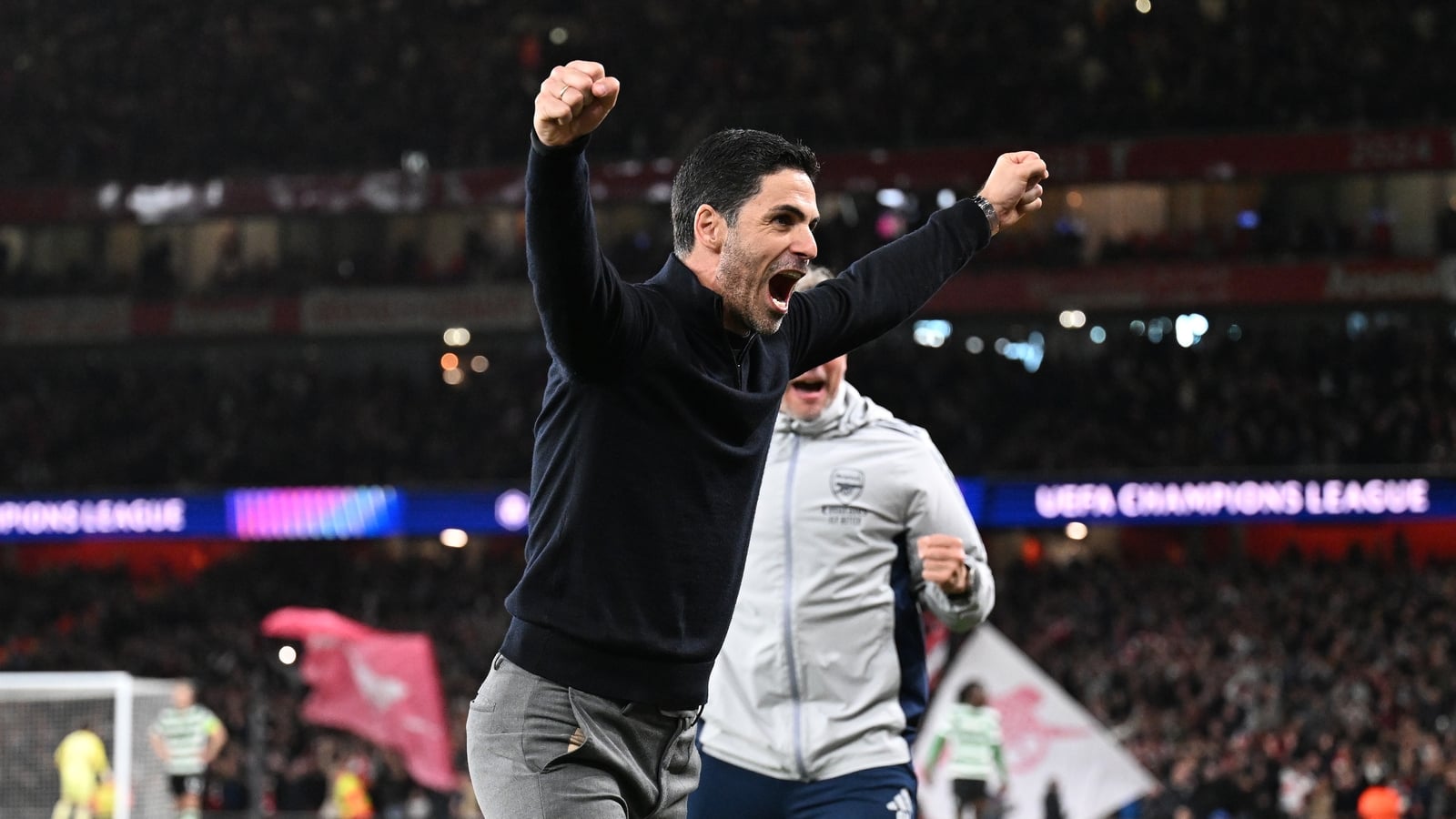
Mikel Arteta said Arsenal's progression to the Champions League semi-finals can act as a massive boost for his side's pivotal top-of-the-table Premier League clash against Manchester City.

Decision highlights how popular the England international is among the Arsenal players

James Rodríguez's first start with Minnesota United sparked more concern than optimism. Leer

Declan Rice issued a blunt response when quizzed on the noise surrounding Arsenal's season after they advanced into the last four of the Champions League

Everton find themselves in a great spot right now, sitting eighth in the Premier League after 32 matches. Since David Moyes returned to the dugout in January 2025, he has managed to pull the club away from a relegation scrap and into the hunt for European football. The Toffees recently cruised to a 3-0 win […] The post David Moyes Is Not Ready To Let 23-Year-Old Leave: Should Everton Gamble On Him Staying Fit? appeared first on The 4th Official - A view from the sideline.
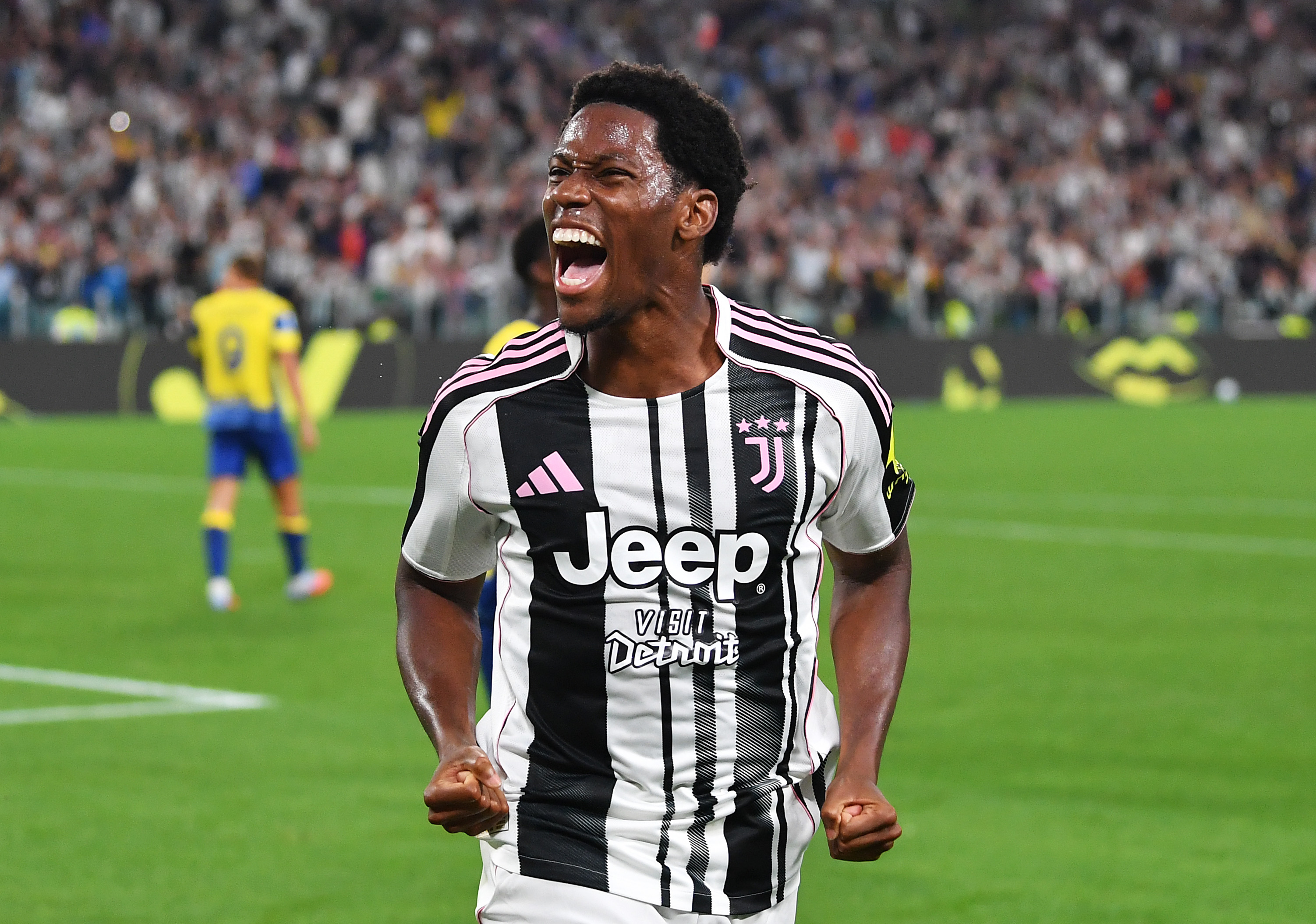
Jonathan David has faced considerable scrutiny this season, largely due to his relatively low goal output, which has often… The post Juventus star says they are the “most scrutinized club in Italy” appeared first on Juvefc.com.
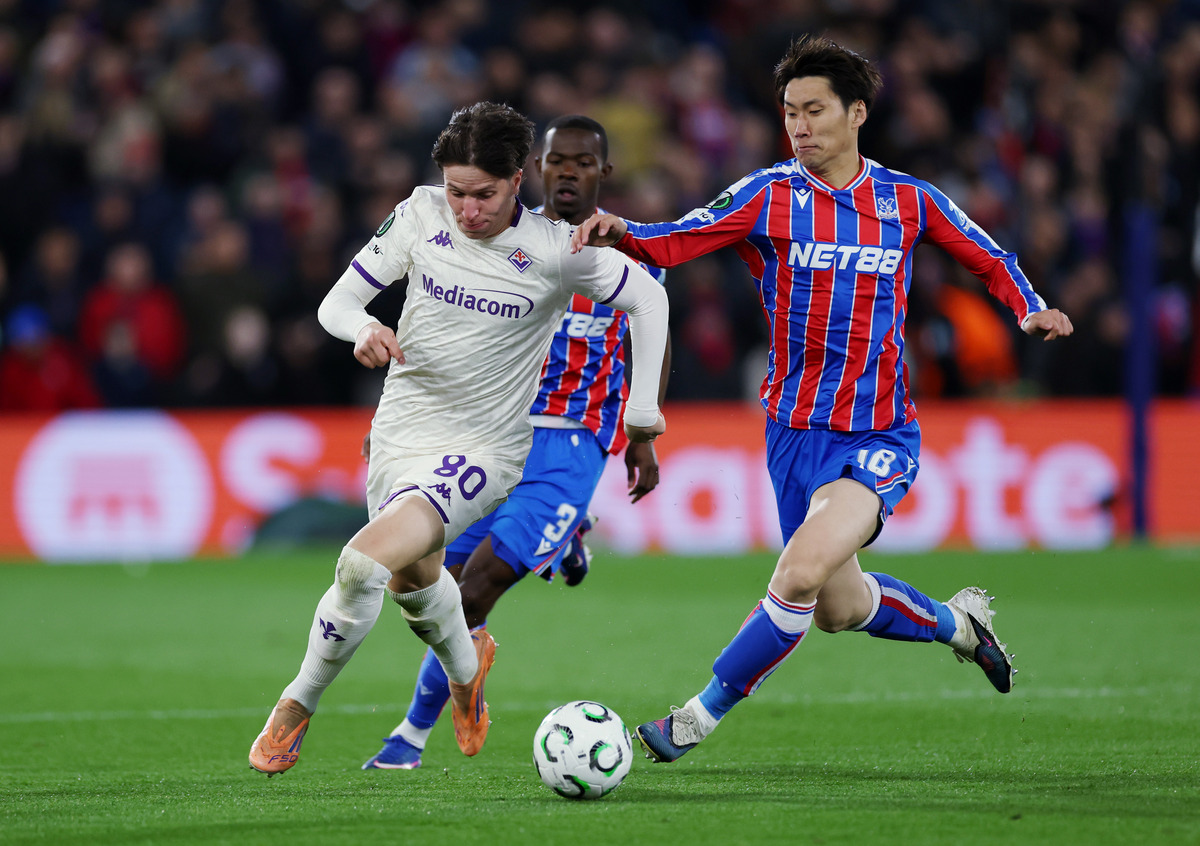
Crystal Palace midfielder Daichi Kamada has sent a warm message to Lazio’s supporters ahead of...

Liam Rosenior acknowledged “I need to win in this moment” as pressure continues to mount on the Chelsea boss ahead of Saturday’s visit from Manchester United. Chelsea have slipped down to sixth in the Premier League table heading into the weekend’s action, having lost their last three games in the competition. Rosenior is well aware […] The post ‘I need to win’ – Rosenior desperate for Chelsea result against Man Utd appeared first on Soccer News.

German-Ghanaian striker Ragnar Ache is enjoying the most stable spell of his career at FC Koln, turning a difficult start to the season into an impressive success story.After an up-and-down first half of the campaign and repeated physical setbacks, the 27-year-old is now fully fit and repaying the club’s faith with standout performances.When he arrived from Kaiserslautern, where he scored 18 goals but struggled with injuries, Koln handled him carefully and focused on building his fitness step by step. Looking back, Ache believes that approach was key to his current form, admitting that throwing him straight into constant action “would not have been smart.” Now he is a guaranteed starter, having made eleven consecutive starts and becoming a central figure in the team’s attack.His numbers underline that impact: one goal before the winter break has turned into six league goals in the second half of the season, plus a total of eight goals and six assists in all competitions. Ache still insists others can handle “the spectacular things,” but his hard work, pressing, and link-up play have made him indispensable as Koln push toward a strong finish.


Qualifying for the Champions League league phase requires significant investment, but the financial rewards far outweigh the initial costs,… The post How much Juventus stand to gain from Champions League qualification appeared first on Juvefc.com.
Bournemouth forward Junior Kroupi is one of the best young players in the world, his team-mate James Hill declared ahead of Saturday’s Premier League trip to Newcastle United. Kroupi scored the opening goal as Bournemouth stunned leaders Arsenal last weekend, earning a 2-1 success at the Emirates Stadium. They are now unbeaten in a club-record […] The post Kroupi ´one of the world´s best for his age´, says Bournemouth team-mate Hill appeared first on Soccer News.

In his first official statements, the coach made clear his ambitious vision for the Florida-based team's current situation. Leer
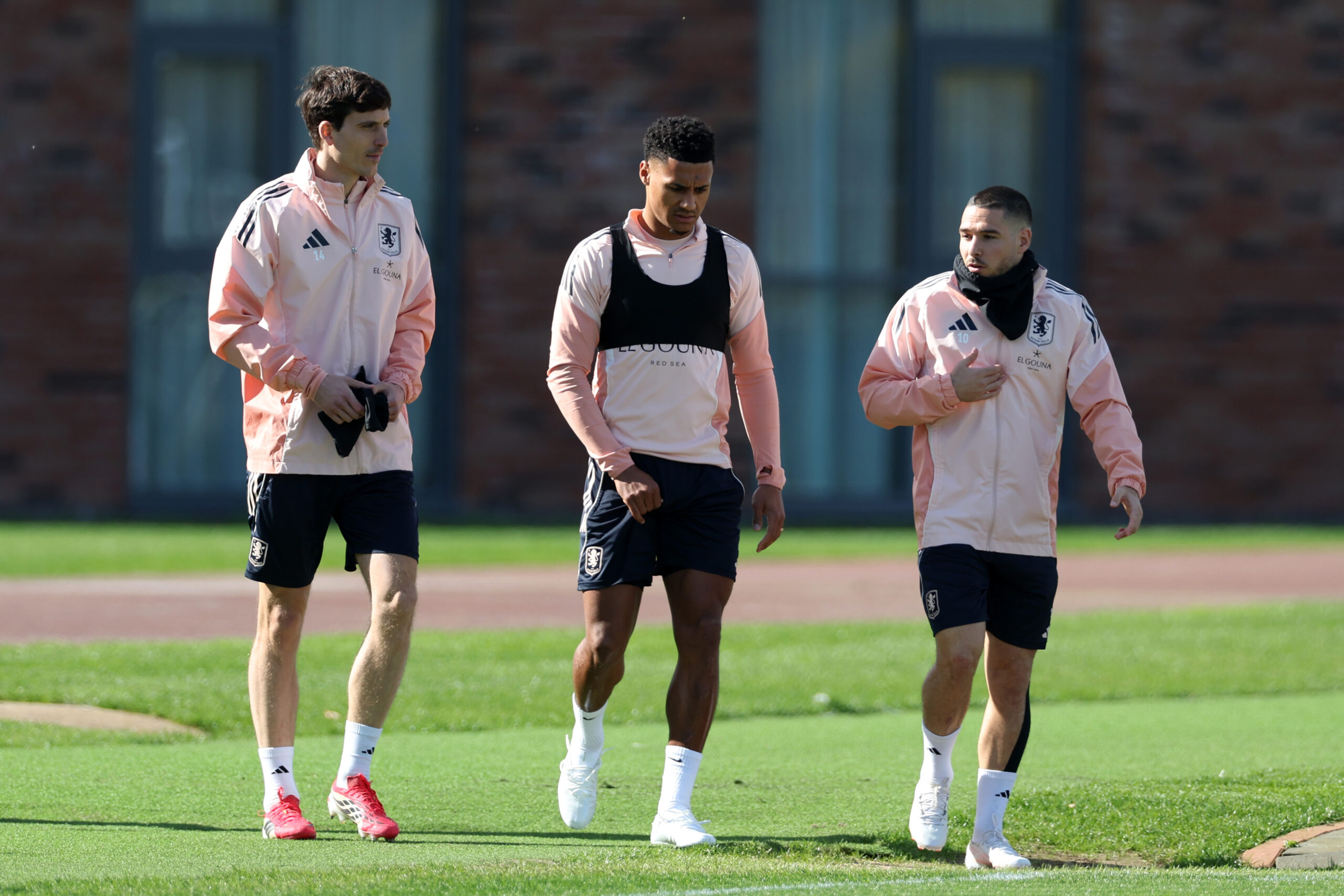
Aston Villa currently sit in a strong fourth place in the Premier League as the 2025/26 season enters its final phase. Unai Emery has turned the team into a real threat to the traditional big six, shown by their recent 1-1 draw at Nottingham Forest and a solid 3-1 win over Bologna in the Europa […] The post Aston Villa Make A U-Turn Regarding 29-Year-Old’s Future: Why They Must Prioritise His Extension? appeared first on The 4th Official - A view from the sideline.
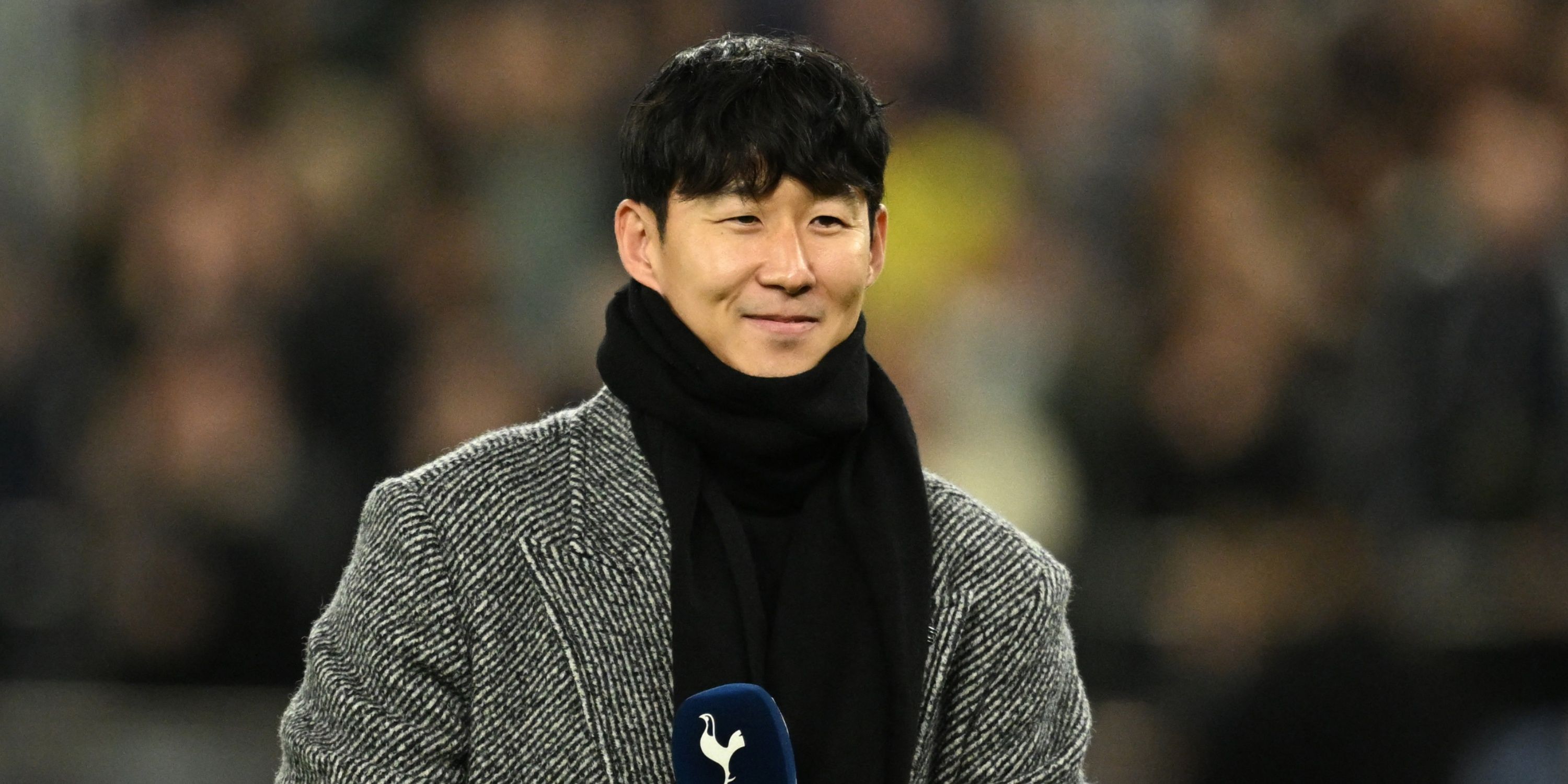
Oh how Spurs could do with Heung-min Son this season...
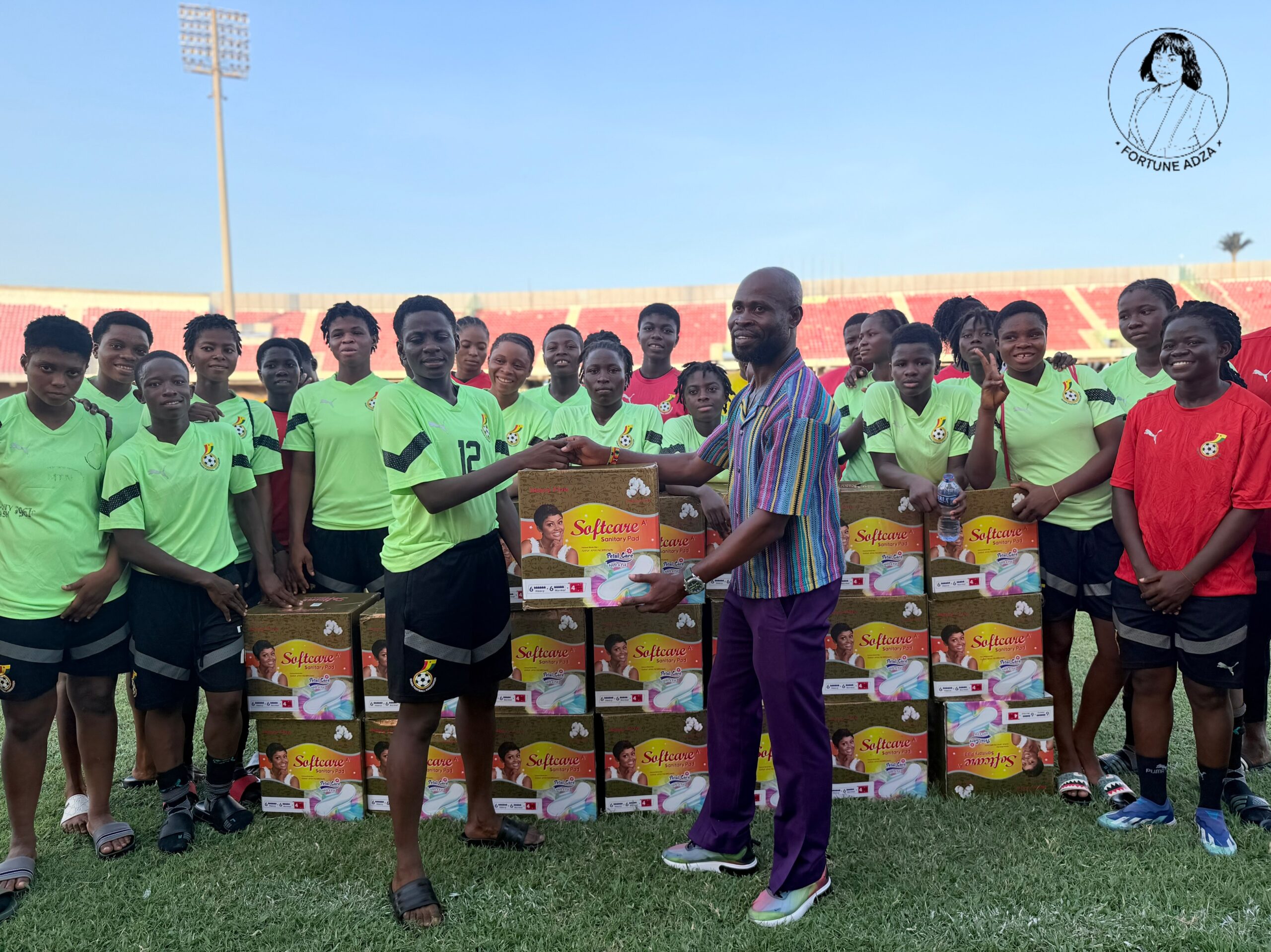
Ghana’s U-17 Women’s National Team, the Black Maidens, have received a donation of sanitary pads as they intensify preparations for their crucial second-leg encounter against Togo in the FIFA U-17 Women’s World Cup qualifiers. The donation was made on Wednesday, April 15, 2026, during the team’s training session at the Accra Sports Stadium, where the [...] The post Black Maidens receive sanitary pad donation ahead of Togo clash in Accra first appeared on Sahara Football.

Talia Sommer on one of the hardest parts of youth soccer parenting. Kids cannot feel like every goal is for a parent’s approval. This clip gets into confidence, pressure, and what support should actually feel like. Full Talia Sommer episode on the channel. #TaliaSommer #SoccerParents #YouthSoccer #GirlsSoccer #YouthSportsParenting
Gerald Asamoah has waded into the argument of courting foreign-born players into the Black Stars. With less than two months left to start the 2026 FIFA World Cup, Ghanaians have been left divided over the potential inclusion of Callum Hudson-Odoi and Eddie Nketiah to the Black Stars for the tournament.Although both players and some in the diaspora are yet to show interest in playing for Ghana, it is reported that the FA has engaged a couple of them.In recent times, Derrick Kohn and Patric Pffeifer switched nationalities to play for the Black Stars.And according to Asamoah, the process could become easier for the FA if they move to these players at a younger age.“We are waiting to see Kevin Prince Boateng here, and we go for him or Hudson-Odoi, and they say no we don't want to come because they didn't see how Ghanaians fought for them when they were young,” Asamoah told 3 Sports.“The British people did everything for them, and now they are done. They are now good players, and we want them. You need to start in the youth teams. You need to go there.“You don't need to go out. You...
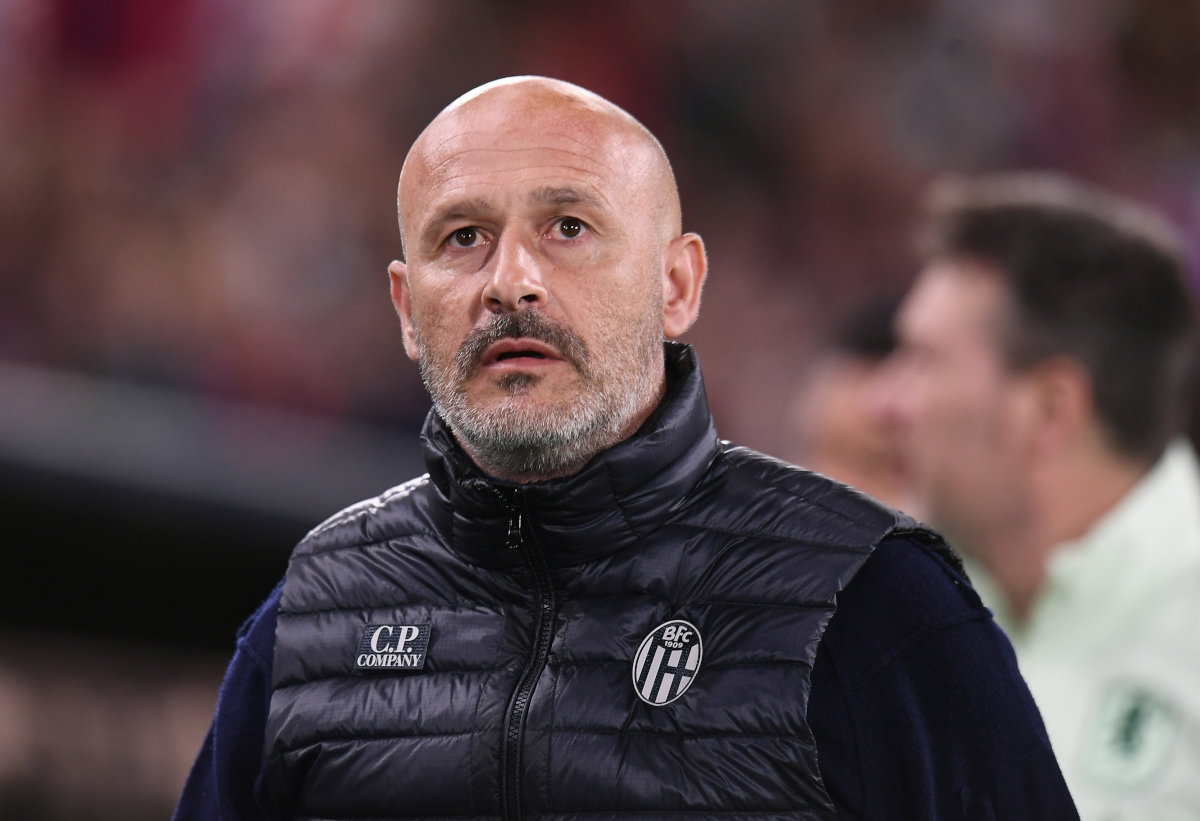
Vincenzo Italiano’s future at Bologna is attracting significant attention from elsewhere in Italian football, with...
Former Germany international, Gerald Asamoah believes Ghana's biggest weakness is in its defence ahead of the 2026 FIFA World Cup in North America. The four-time African champions will be embarking on their fifth World Cup in June, but the team has been without a win since beating Comoros in the final qualifier in Accra last year.The Black Stars have conceded ten goals in their last four friendlies, including a 5-1 defeat to Austria last month, leading to the sacking of Otto Add as coach of the national team.Former Manchester United assistant manager Carlos Queiroz has been appointed as replacement for the ex-Ghana midfielder.Ahead of Queiroz's first assignment as Ghana coach, Asamoah pointed out that the Black Stars have a leaky defence, and that should be a priority for the Portuguese trainer."What are we good in? Are we good in defending or offensive game? We are really good in offensive games, so we need to work on our offence, so we need to work on our defensive play," Asamoah told 3 Sports."Keeping the defence is one of the important things you can do as a coach."The Black Stars will face World Cup co-hosts Mexico in...

Ousmane Dembele was PSG's matchwinner at Anfield for the second successive season but was open in his praise for Liverpool and the challenge they pose on their own patch
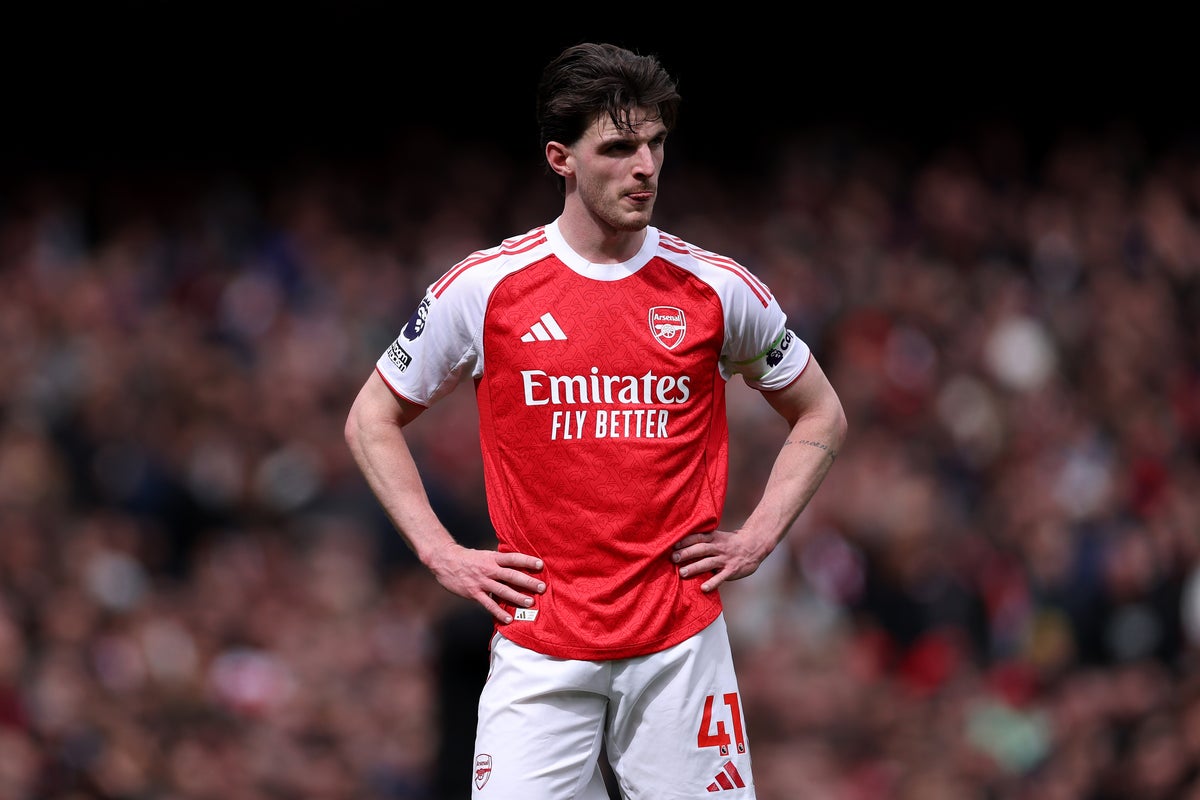
The former Arsenal captain believes the club can still win trophies this season despite a poor run of form

A tough night in Madrid revealed a level of maturity that goes far beyond his age Leer

Hoyos's arrival on the Inter Miami bench marks the start of a new chapter characterized by a delicate challenge: managing his historic relationship with the #10 in a locker room that demands results. Leer

Dupers will take advantage of supporters' desperation to see Three Lions lift the World Cup this summer with a barrage of hoaxes, experts warn

Many aspiring pros see a clear path. For me, it was grit and late opportunities. Hear how hard work, not just talent, opens doors to pro sports, even when pathways seem limited. #AthleteJourney #ProSports #NeverGiveUp #CollegeSports #Dedication #WeAreSoccer #ProSoccer
Ghana international Christopher Baah Bonsu has dedicated his goal against Al Shabab in the Saudi Pro League to his late mother.The Black Stars winger started and lasted the entire duration of the match as his outfit settled for a 2-2 draw against their opponent in Tuesday night.The former KRC Genk attacker played a pivotal role by registering his name on the scoresheet, as the side shared the spoils with Al Shabab in the highly competitive clash.After the match, Baah Bonsu took to social media to pay tribute to his late mother, who perished in 2024.“I will never lose your essence. This one is for you mama” he wrote on Instagram.Baah Bonsu has been in a superb form for Al Qadsiah in the ongoing Saudi Pro League campaign, scoring three goals and providing eight assists in 27 appearances.As the World Cup approaches, the winger will be hoping to maintain his form in order to make the cut for the global showpiece, which kick start two months’ time.
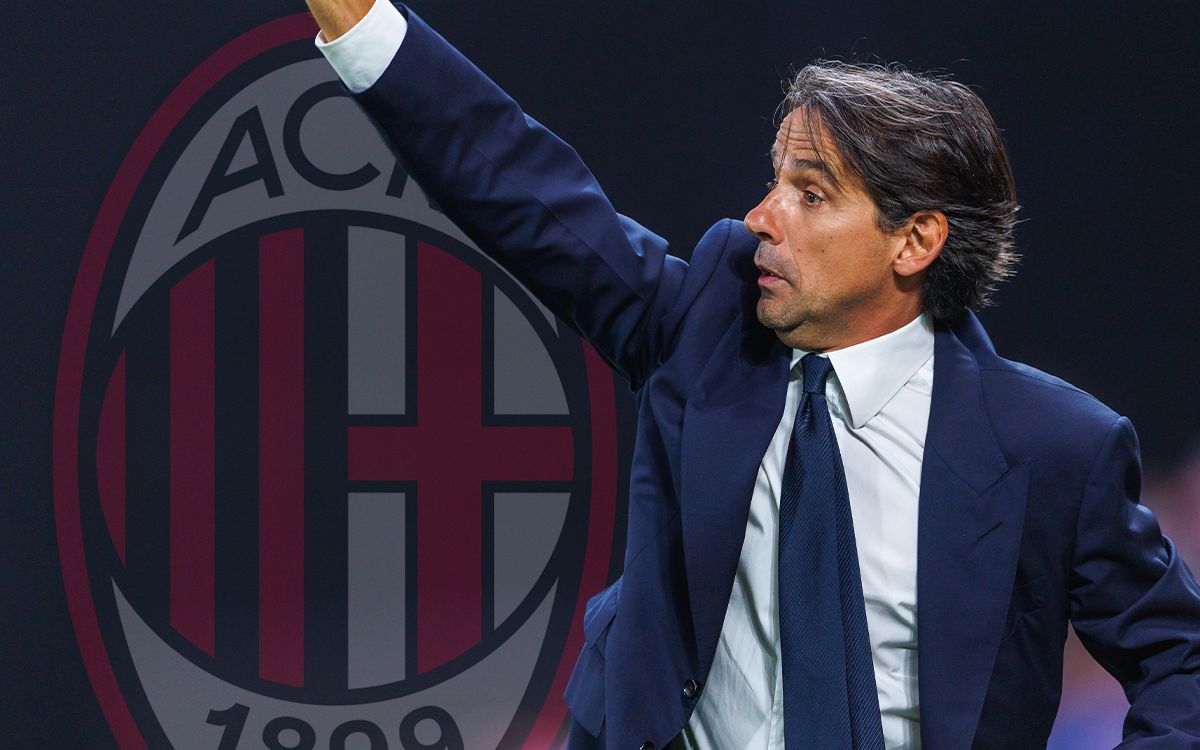
By: Ben Dixon This summer, AC Milan may have to part with Massimiliano Allegri if he decides to take a role with the Italian national team. So, who would replace him. There are several questions facing Milan regarding the summer. It seems that another reset could be on the cards with another big sacrifice seemingly becoming more likely. […] The post Longoni suggests that former Inter coach would be the ‘only’ replacement for Allegri: “The best” appeared first on SempreMilan.
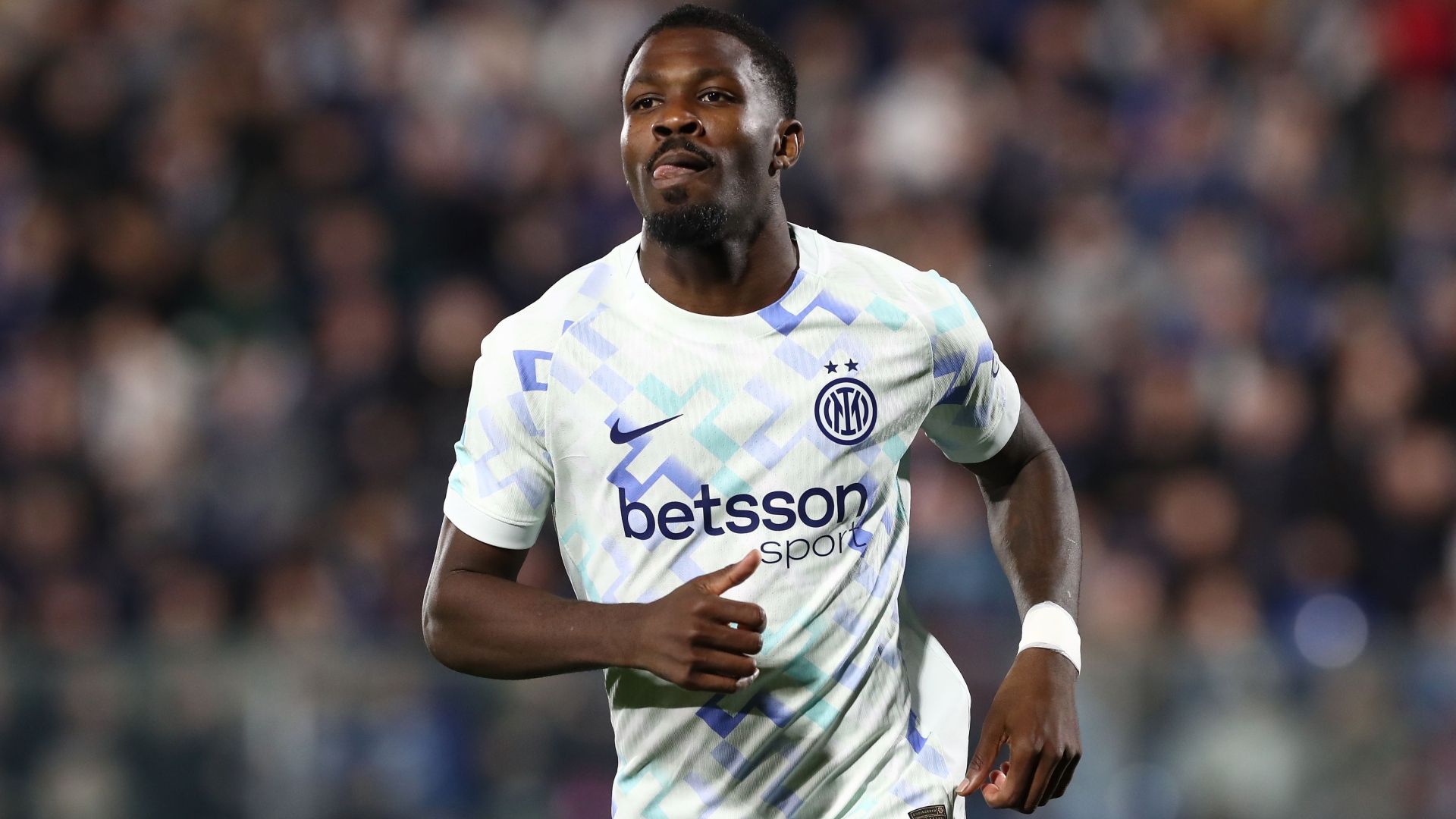
L'attaccante del Liverpool e della Francia si è rotto il tendine d'Achille e sarà costretto a saltare il torneo: porte aperte per il giocatore dell'Inter?
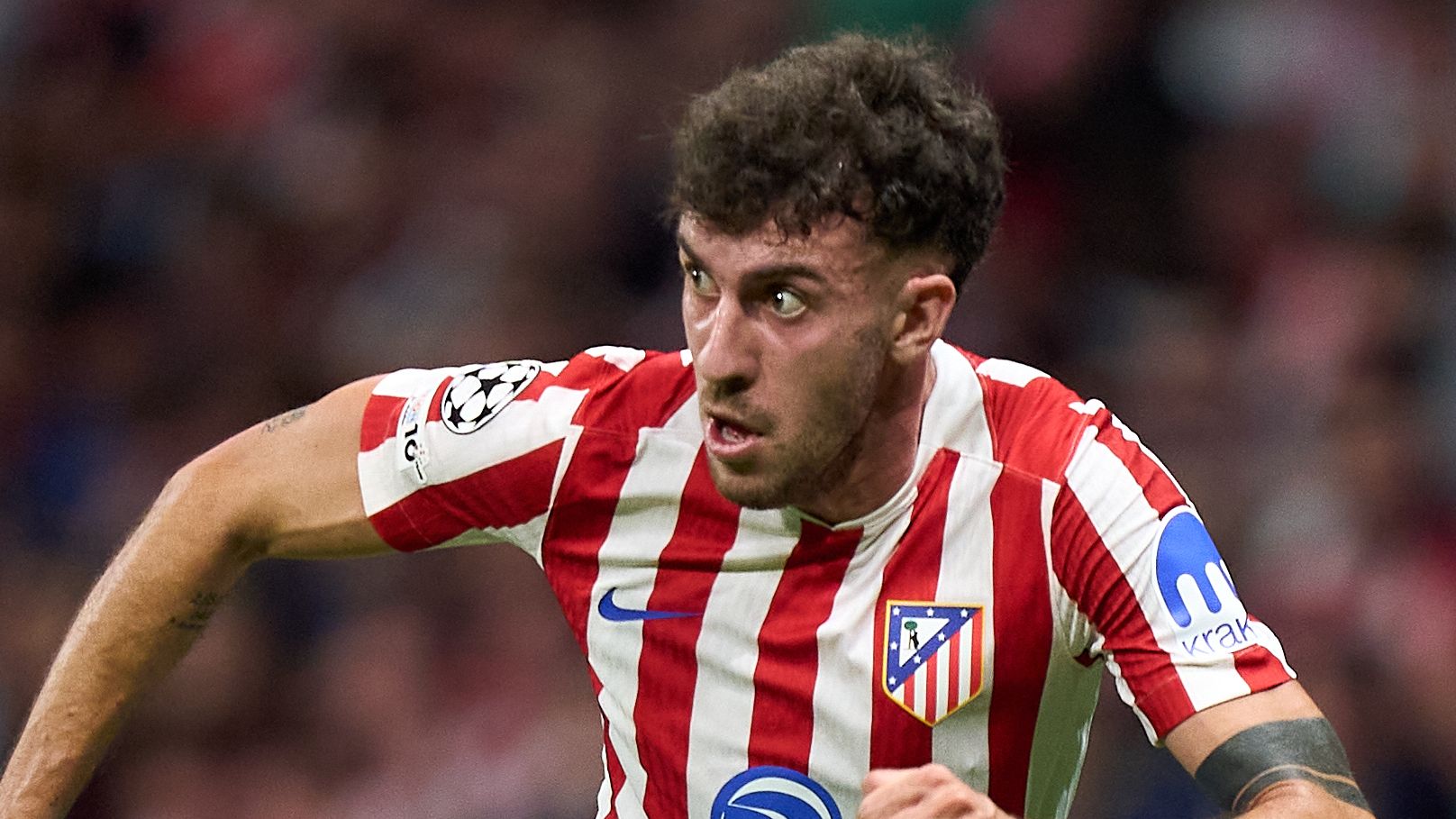
L'esterno sta facendo bene all'Atletico Madrid ma non era stato convocato da Gattuso per la gara con la Bosnia
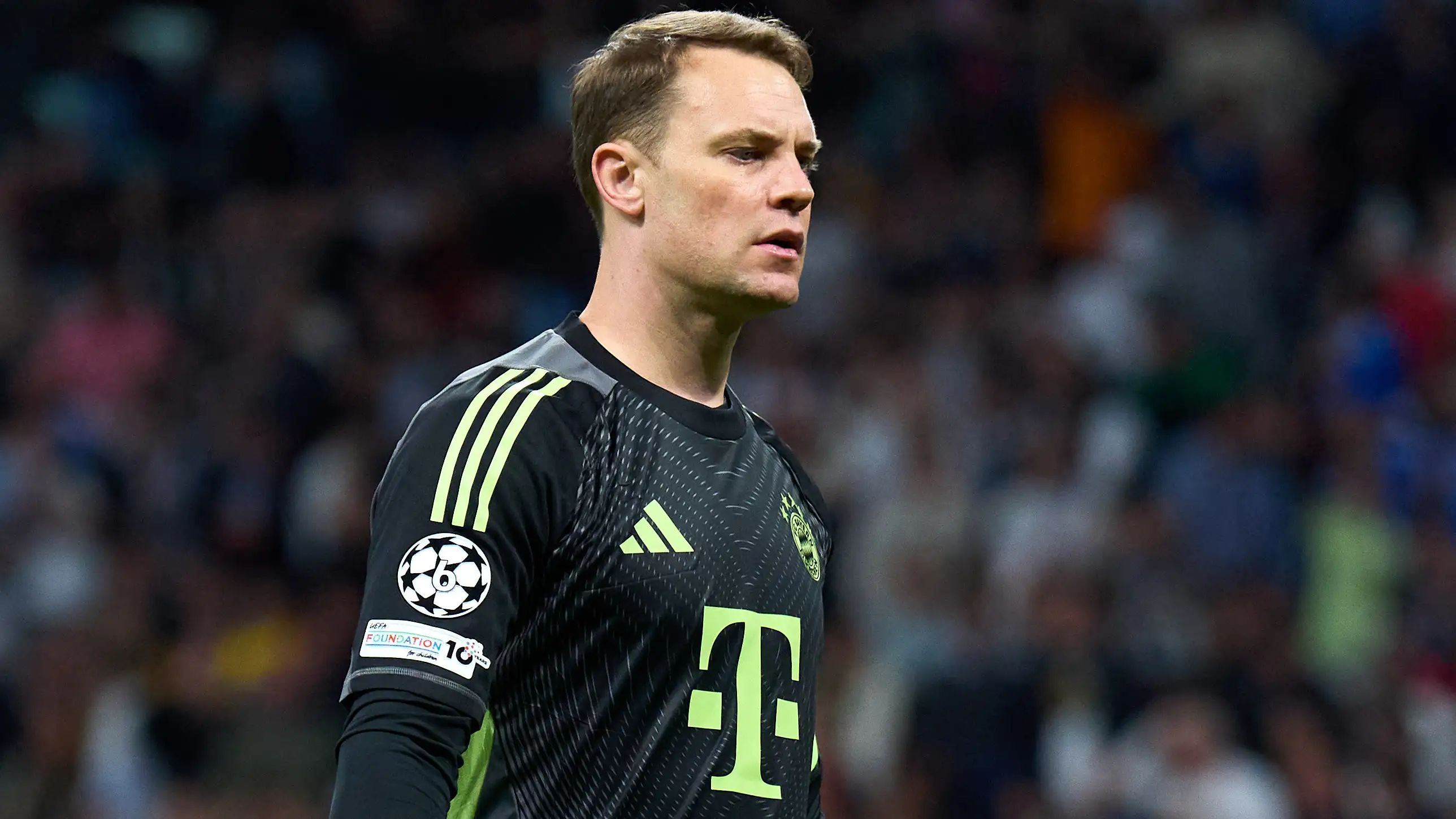
Bayern Munich goalkeeper Manuel Neuer has refused to be drawn on who is the best goalkeeper of all time, claiming that in each era, a different shot-stopper could be given the title. Neuer is one of the names in the conversation, alongside his would-be opposite number, Real Madrid goalkeeper Thibaut Courtois. Neuer has been one […] The post Manuel Neuer on greatest goalkeeper of all time debate: ‘It depends on the era’ appeared first on Football España.
Showing 301-350 of 2,624 articles