News linked to Ivan Bašić
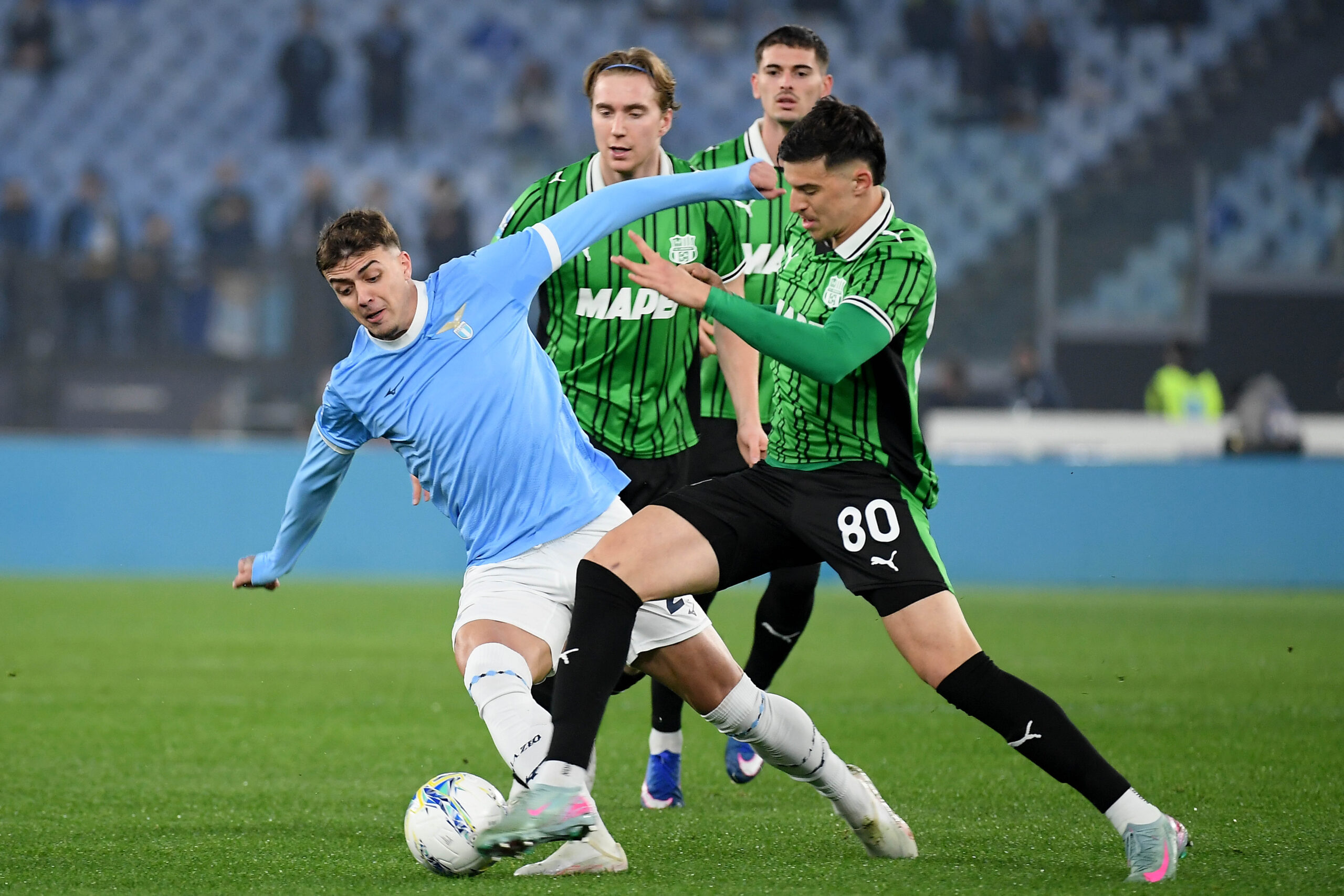
Aston Villa and Tottenham Hotspur both have confirmed interest in Tarik Muharemovic, the 23-year-old Sassuolo centre-back who has suddenly become the focal point of one of European football’s most intense summer transfer battles. However, Inter Milan have now jumped ahead of the Premier League duo, and reports suggest a personal agreement between the player and […] The post Aston Villa Face Intense Competition For €25 Defender: Why Do They Still Have Reasons To Fight? appeared first on The 4th Official - A view from the sideline.
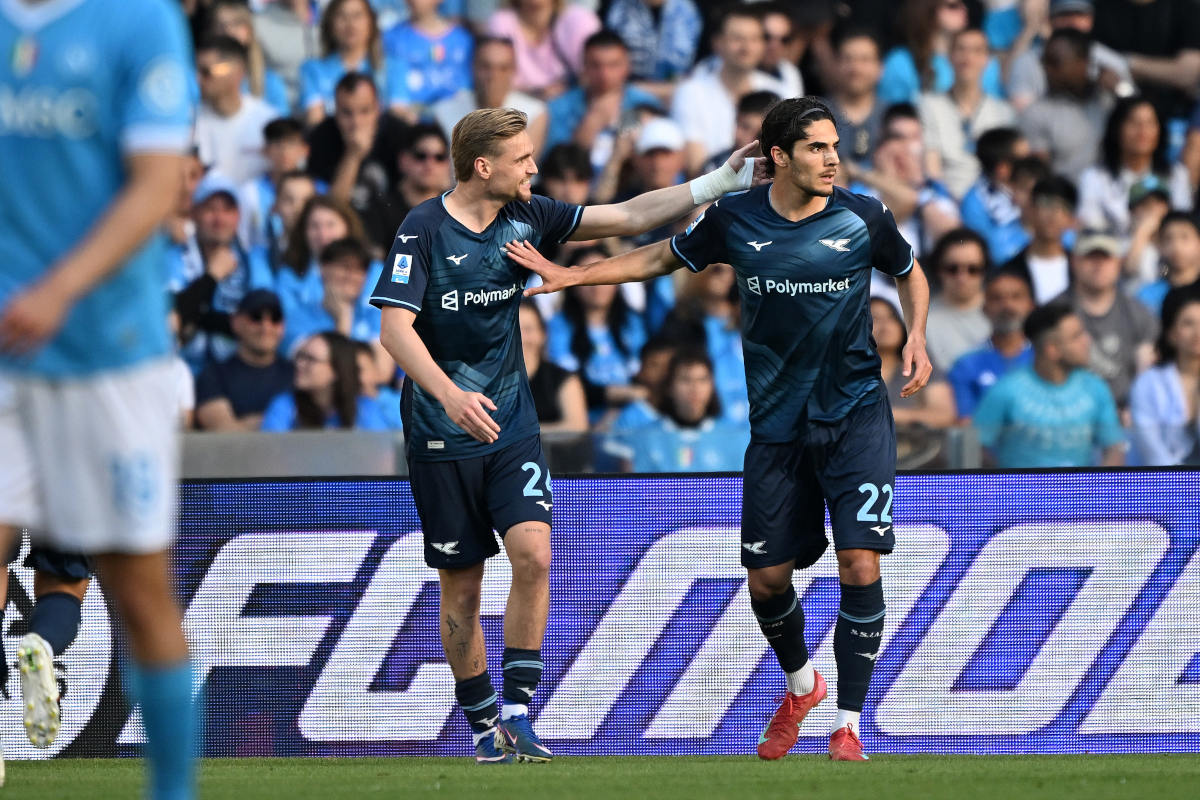
The numbers tell a remarkable story. With Matteo Cancellieri and Toma Basic finding the net...

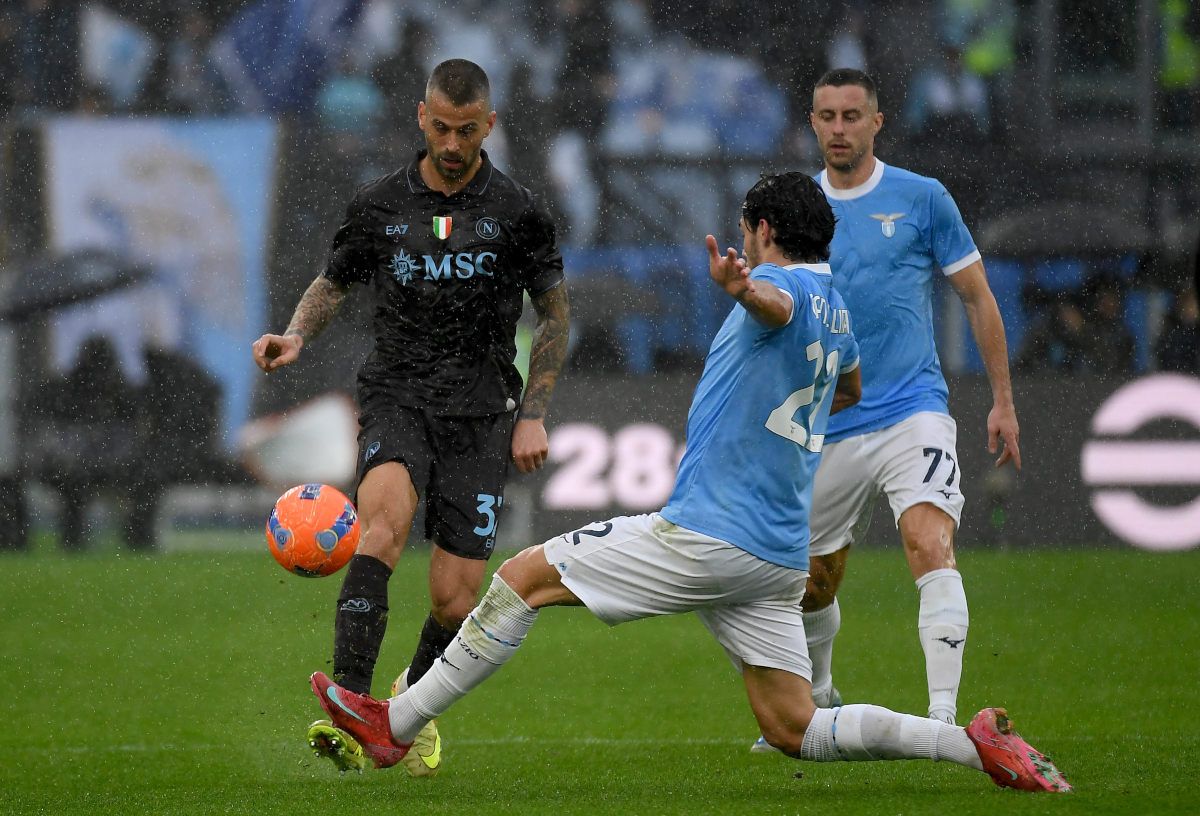
Napoli missed the chance to move 11 points clear of fifth-placed Como after losing 2-0 to Lazio at Stadio Diego Armando Maradona. Goals on either side of half-time from Matteo Cancellieri and Toma Basic secured a deserved victory for Maurizio Sarri’s visitors, who revived any last hopes of making a late push for the European […] The post Napoli 0-2 Lazio: Conte´s men dragged back into Champions League race after unbeaten run ended appeared first on Soccer News.
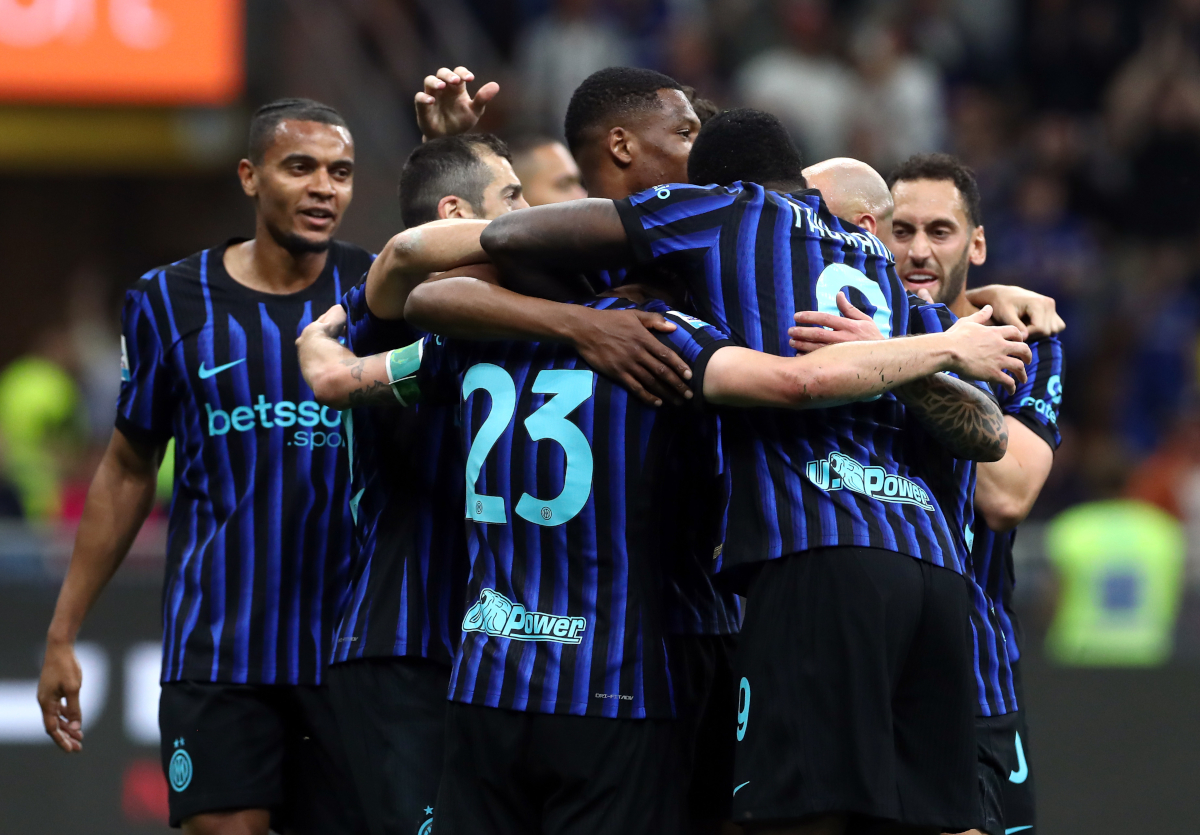
Inter Milan are on the verge of securing their 21st Scudetto, after Napoli’s home defeat...
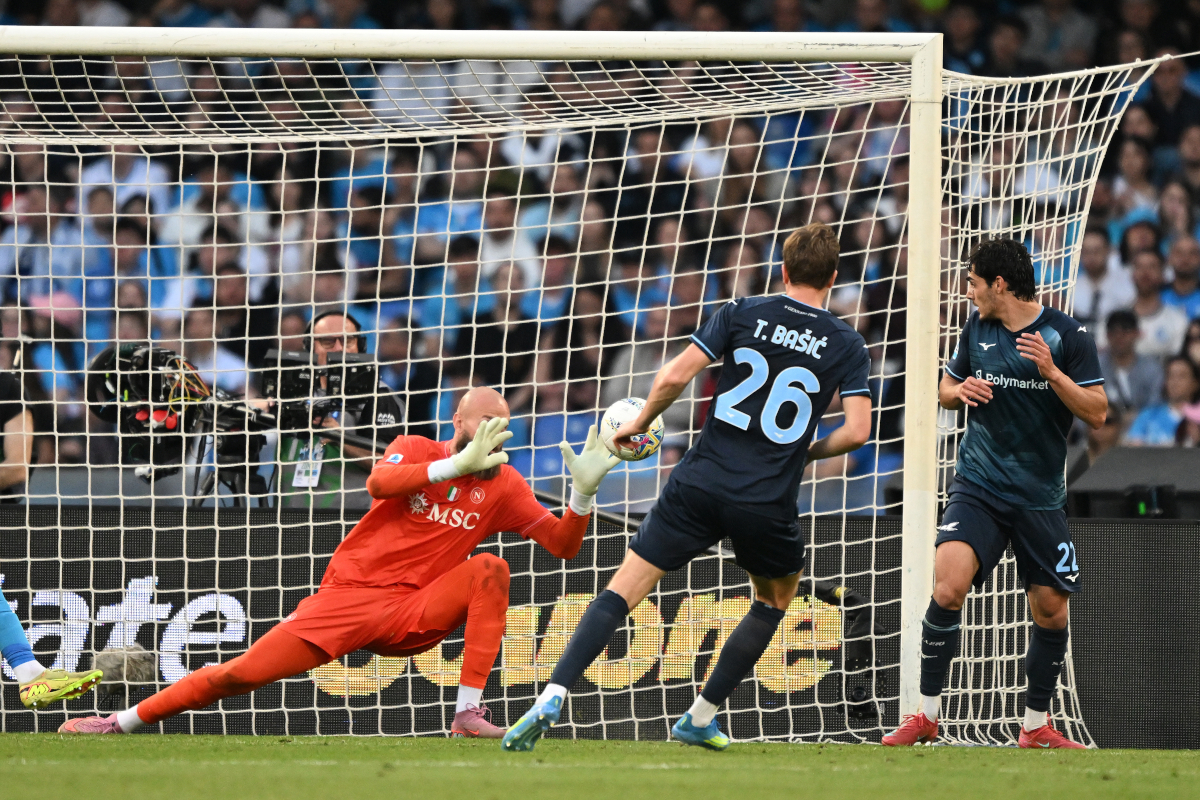
Napoli really have abandoned Scudetto dreams after their first Serie A home defeat of the...
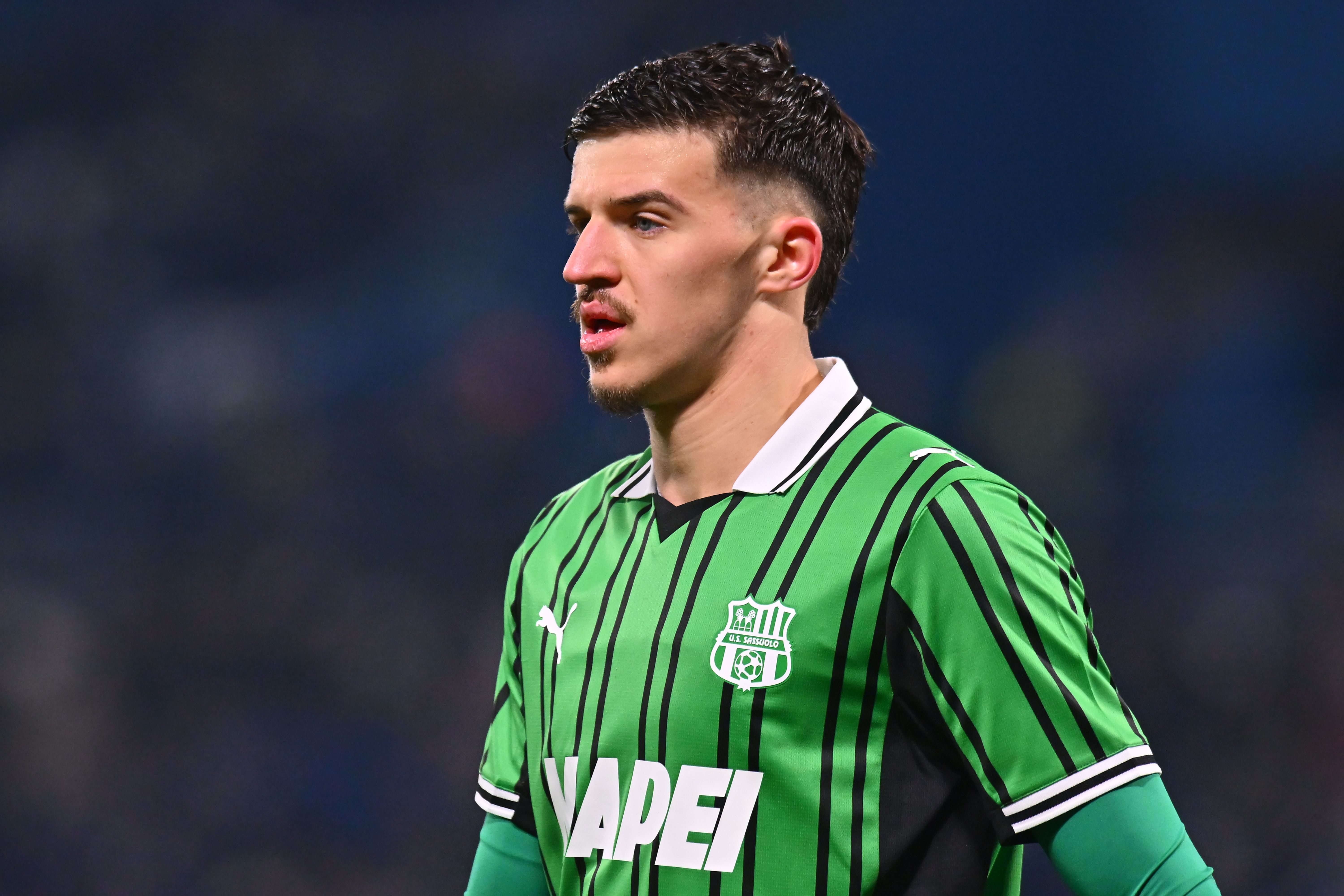
Juventus have made a formal move for Tarik Muharemovic, but Inter Milan remain the clear frontrunners to sign the Sassuolo defender despite the Bianconeri holding a significant structural advantage in negotiations. According to transfer expert Niccolò Ceccarini in his TMW editorial, Juventus have approached Sassuolo over the Bosnia international and hold a 50% sell-on clause […] The post Juventus Serious About Pursuit Of Sassuolo Talent But Inter Milan Lead The Race appeared first on SempreInter.com.
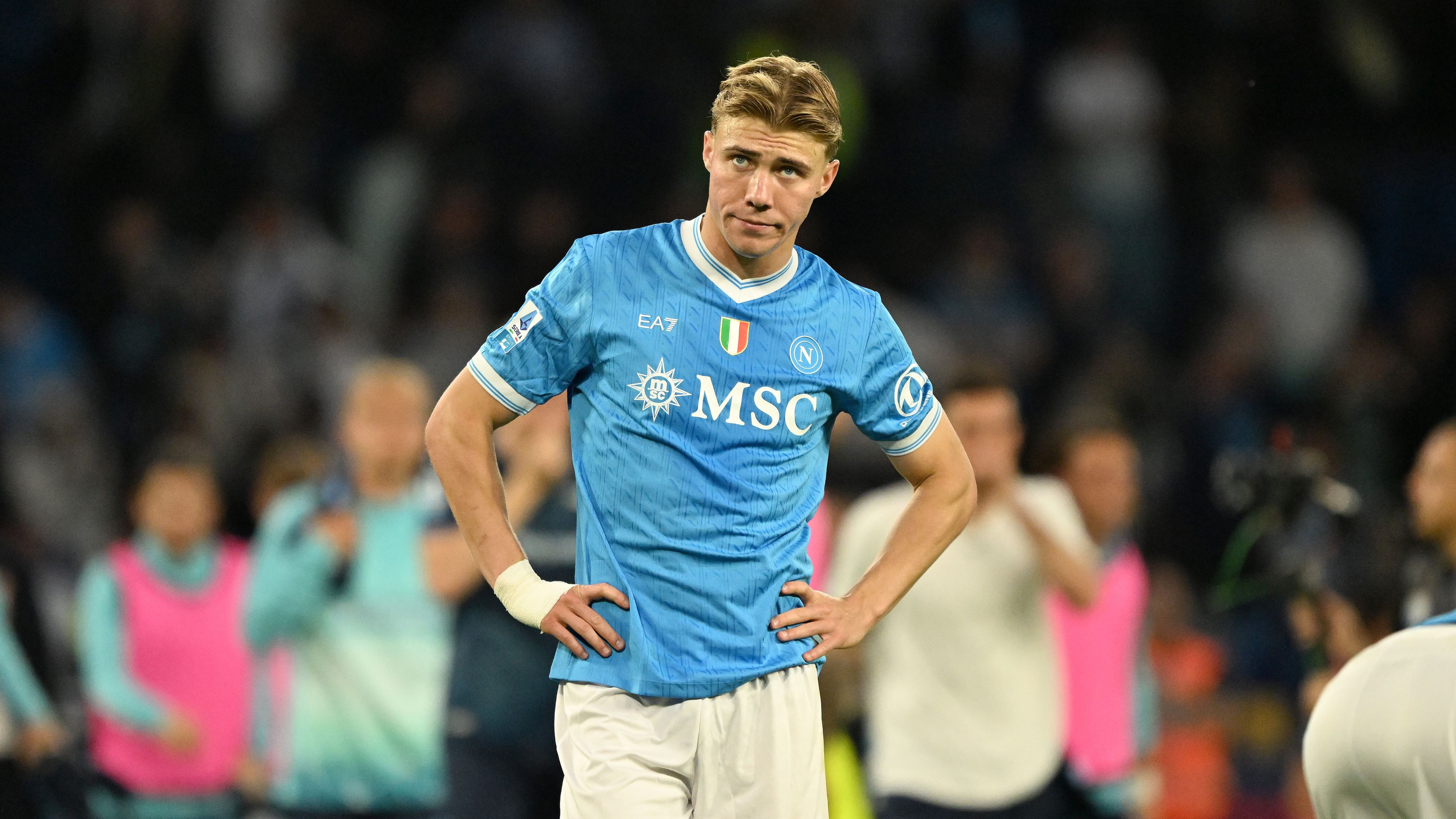
La Lazio batte 0-2 il Napoli al Maradona. Cancellieri e Basic firmano la vittoria. Milinkovic para un rigore, ma tra i partenopei si salvano in pochi.
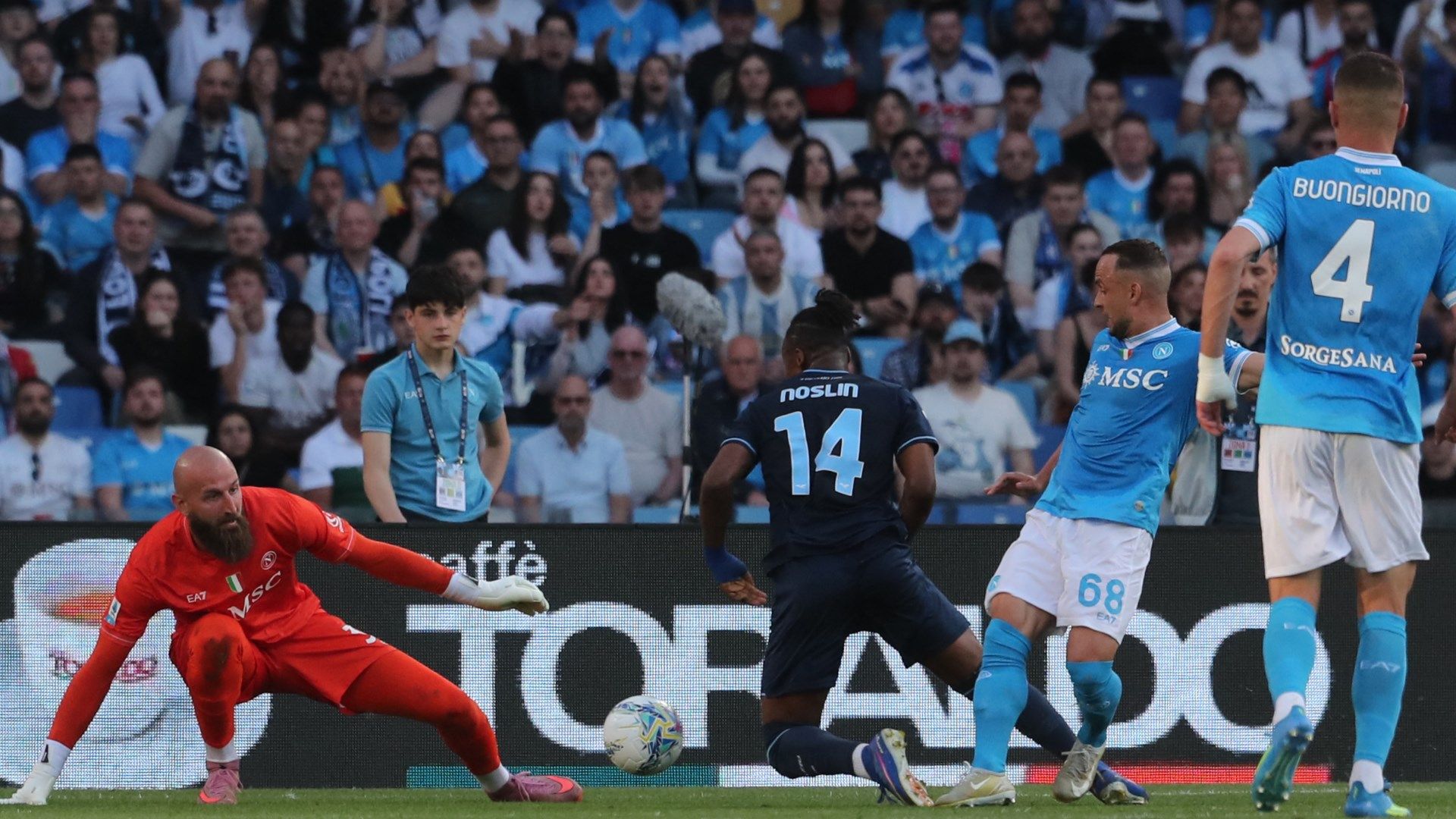
La Lazio espugna il Maradona per il quarto anno di fila. Cancellieri e Basic firmano lo 0-2 per i biancocelesti contro il Napoli
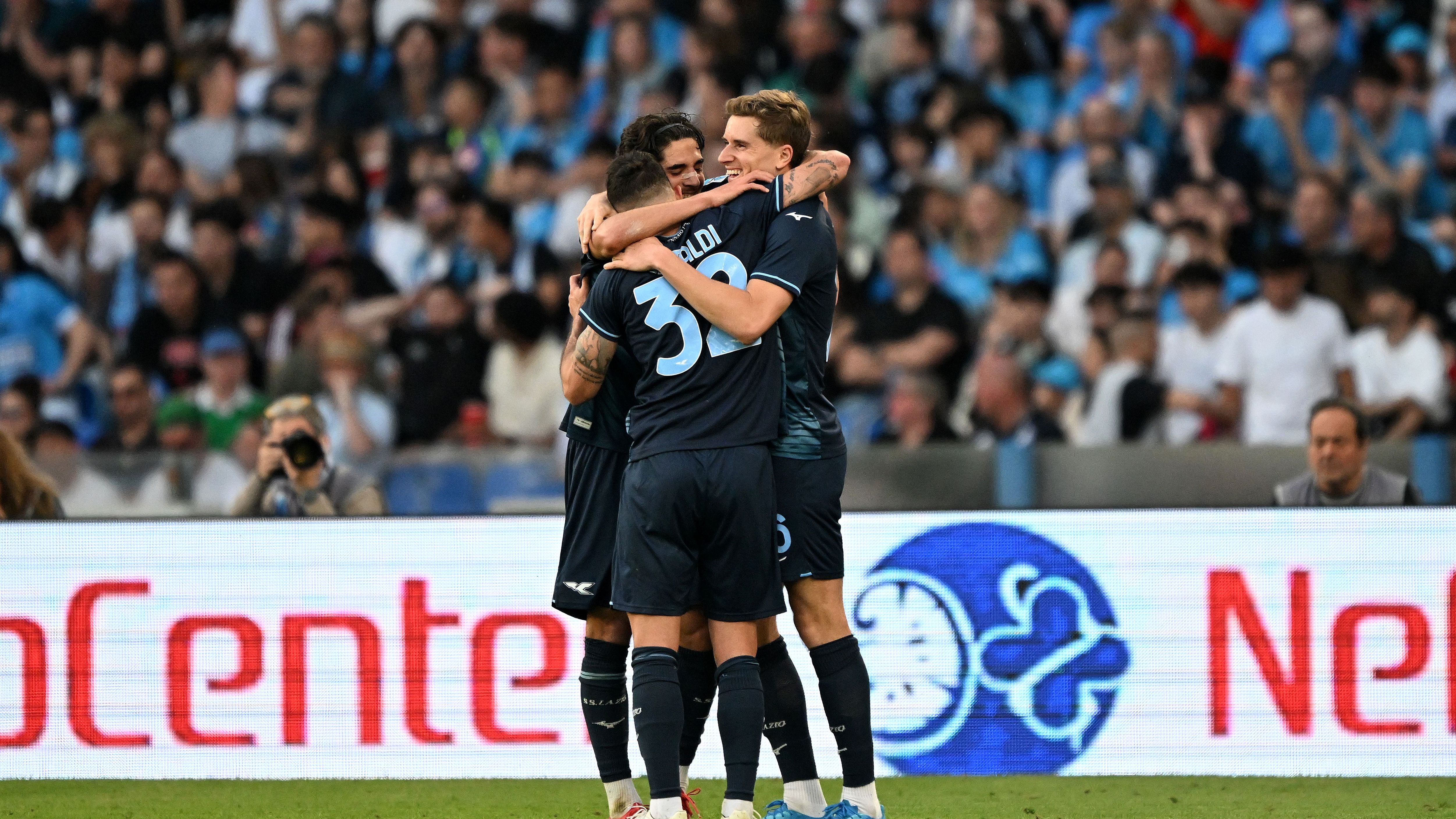
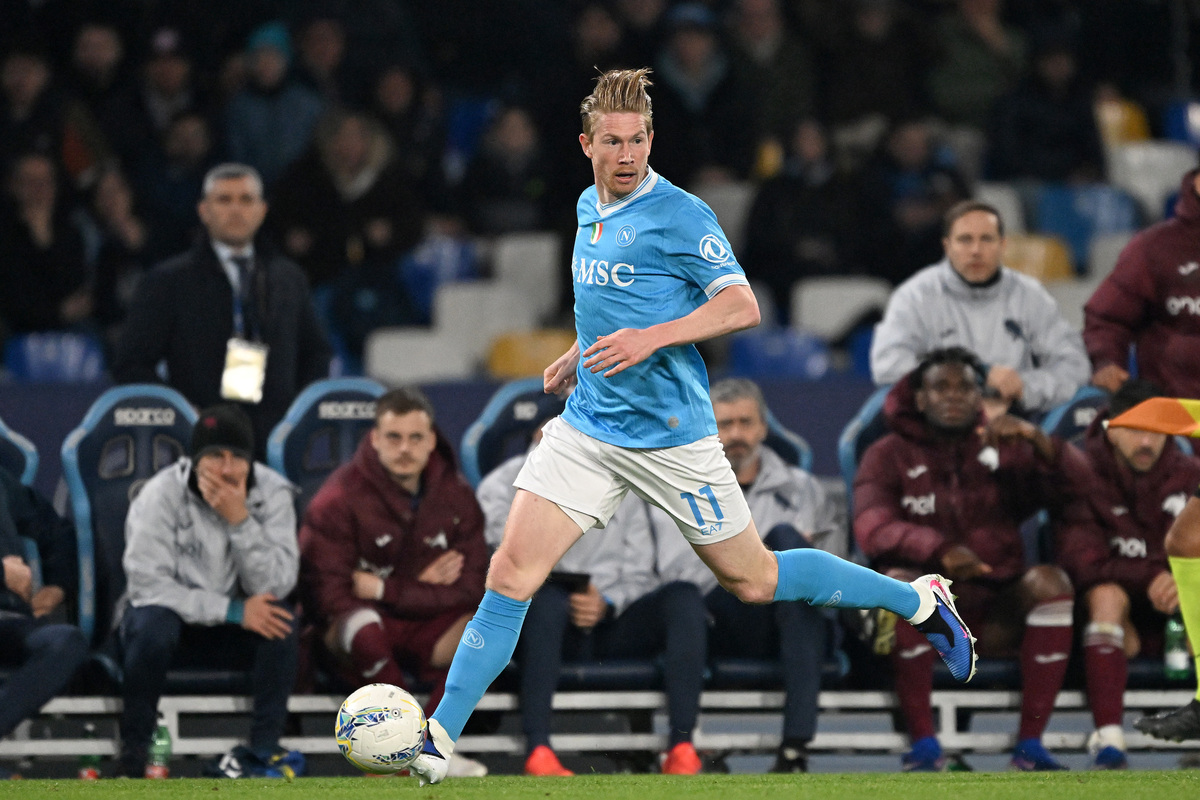
Napoli hope Kevin De Bruyne, Scott McTominay and Rasmus Hojlund can get them back on...
Antonio Conte will look to Kevin De Bruyne, Scott McTominay and Rasmus Hojlund for Napoli’s...
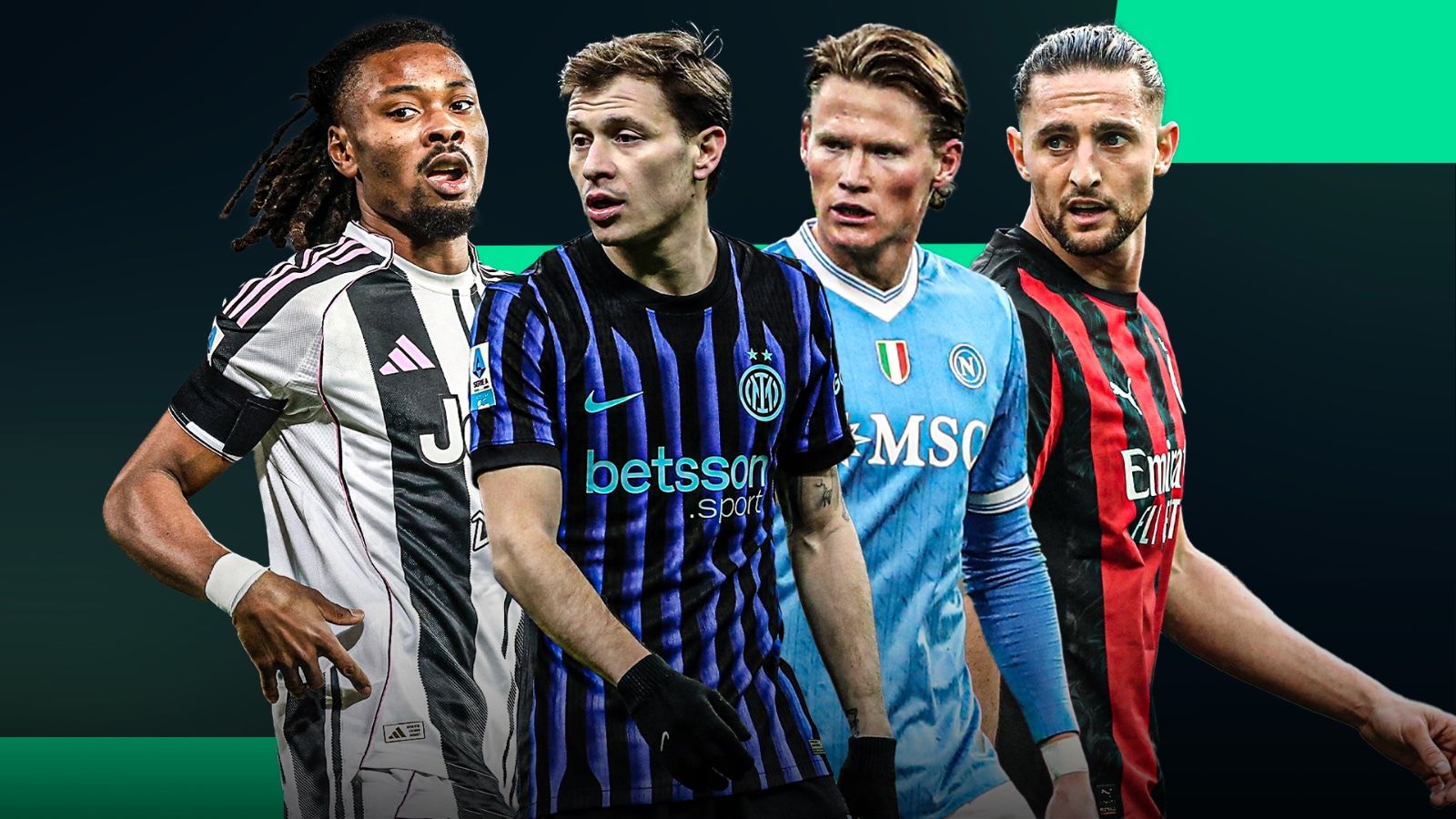
Le ultime dai campi con le scelte degli allenatori delle 20 squadre a meno 6 gare dalla fine.
Tottenham’s relegation risk is a tactical mismatch — De Zerbi’s principles vs a squad built for something else, under extreme pressure. Tottenham’s position in the relegation zone has been explained through form, injuries, and confidence. All of that is visible. None of it feels sufficient. Because this does not look like a team simply… The post Tottenham Aren’t Just Struggling — They’re Caught Between Two Ideas first appeared on Breaking The Lines.
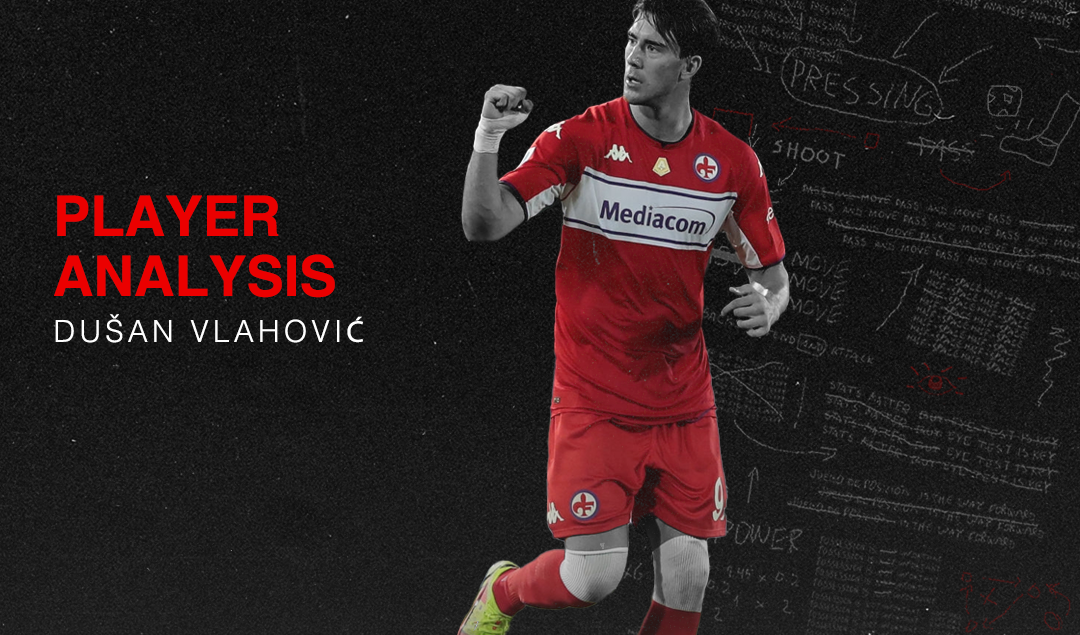
For generations, football has been defined as a game of raw talent — natural ability, instinct, flair and individual brilliance. Talent is still important, of course — but the game has increasingly turned into something much more involved than that. At the highest level of play, winning and losing is a razor-thin margin that is… The post Why Elite Football Is About Marginal Gains, Not Just Talent first appeared on Breaking The Lines.
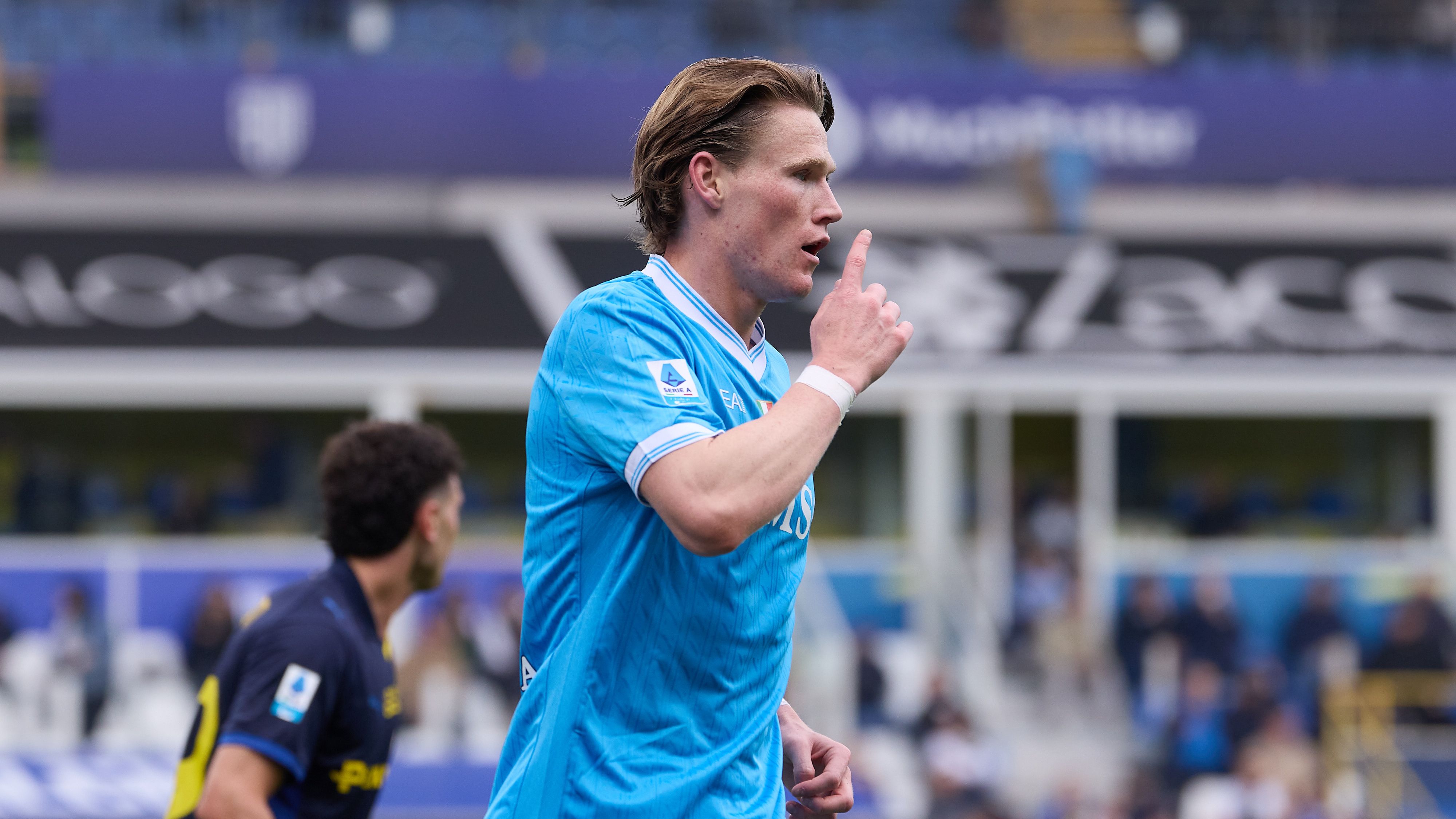
Le informazioni su Napoli-Lazio, trentatreesima giornata di Serie A: le formazioni e come seguire il match.
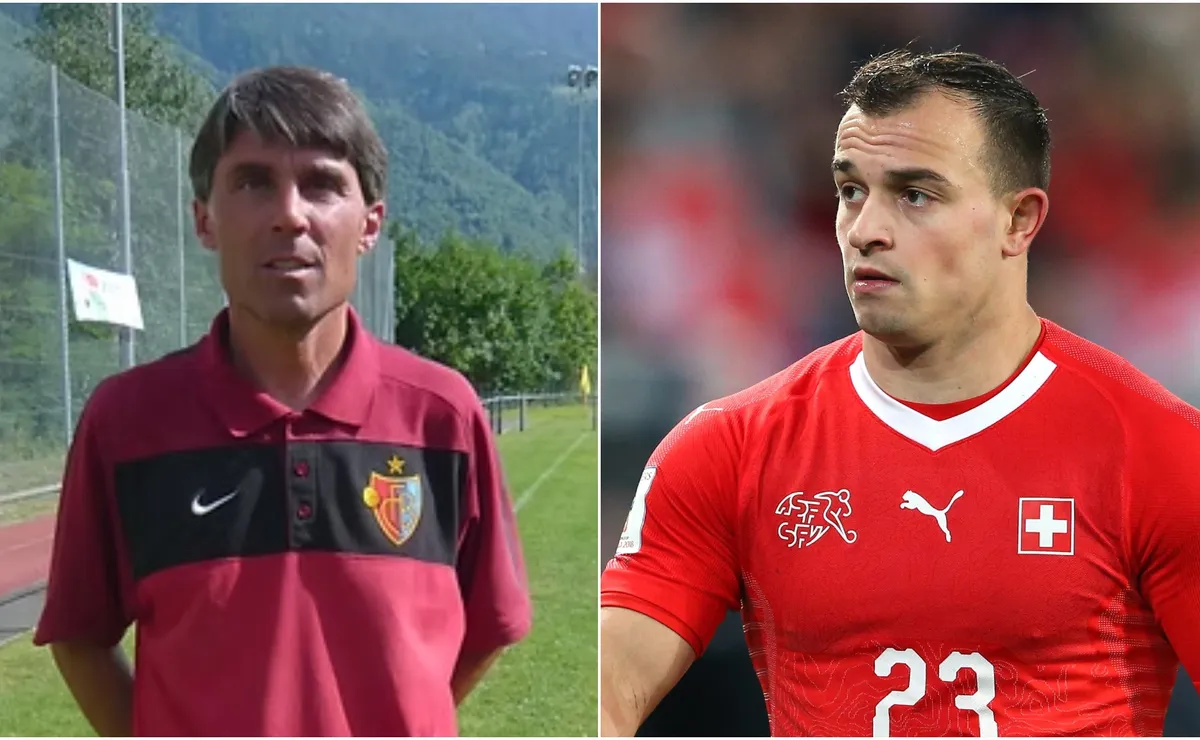
Argentine youth developer Facundo Alvanezzi discusses his 11 years at FC Basel, his role in shaping stars like Granit Xhaka and Xherdan Shaqiri, and why fostering "hunger" and embracing mistakes is the secret to producing elite talent. Alongside the technological leaps of the 21st century, soccer has evolved through the implementation of new instruments and methodologies embraced by clubs across all levels of the game. Yet technology alone does not always translate into better players or better human beings. World Soccer Talk had the opportunity to sit down with Argentine youth developer Facundo Alvanezzi, who spent 11 years at Swiss club FC Basel between 2008 and 2019. Having trained in South America and studied the methods of some of Europe’s most renowned clubs, including FC Barcelona, AC Milan and Bayern Munich, Alvanezzi applied his knowledge to help produce elite talents such as Granit Xhaka, Xherdan Shaqiri and Fabian Schär, among others. A former professional player in Argentina who also played in Italy, Alvanezzi began his coaching career at Aldosivi before departing for Basel in 2008. Moving from scheduled training sessions with limited soccer balls, “compensated by the amount of talent,” to an environment where every youth team trained on a heated pitch, had balls for every player, full kits and access to psychologists, nutritionists and other health professionals represented a dramatic shift in perspective. FC Basel and a commitment to youth development Already proficient in Italian from his playing days, Alvanezzi still had to immerse himself in the cultural and linguistic demands of his new environment, all in service of what he considers the cornerstone of his work: communication. In a single training session, he might move between Italian, French, and German while coordinating multiple groups of young players across state-of-the-art facilities designed to maximize their development. FC Basel’s U-14 squad. “A club like Basel worked with all 14 or 15 age groups all at the same time. The First Division had its own separate pitch. But for everything related to the youth levels from U21 down, everyone had their own respective pitch. Even the littlest ones, the 5 and 6-year-olds, had their own synthetic fields with dimensions suited for 5 or 6-year-olds. Just to give you an idea—no time was wasted there. In other words, time is utilized in a way that enriches you instead of being a deficit that hinders the development of future players.“ Alvanezzi then put into context the remarkable achievement of a small nation punching well above its weight. “You can’t forget that Switzerland has a population of between 6 and 7 million inhabitants, so the emerging talent back then was very scarce. They did an extraordinary market study so that today they have 17, 18, 19, and 20-year-olds—which didn’t happen before—playing and qualified for the next World Cup in the US, Mexico, and Canada. So, basically, everything related to infrastructure and planning… whether you like it or not, having that entire grid set up allowed me—as someone passionate about football who loves being on the pitch—to work peacefully. I knew I had my designated pitch to work with the U15s, the U16s, the U17s,” he added. The role of a youth developer and the cultivation of talent A fluent Spanish speaker, Alvanezzi describes himself as a “formador de juveniles,” a youth developer rather than a coach, drawing a sharp distinction between the two roles: “The developer (formador) teaches and builds; they earn very little, if anything at all. In terms of titles—U14s, U15s, the Reserves… I don’t care about those. The coach (entrenador) is there to train, to play, to compete, to get points, to win a domestic league, a Libertadores, a Euros, a Champions League, or a World Cup. They are two completely different things. That’s why there aren’t many coaches developing players, and there aren’t many developers coaching elite teams.“ Another key principle in his approach is trusting the creative instincts of young players rather than issuing directives, recognizing that the youth phase is when information can have the most profound impact. He pairs this with a cosmopolitan perspective while never abandoning his own core beliefs. Facundo Alvanezzi on the touchline. “In other words: at no point do I impose. I don’t impose knowledge, authority, or didactics—nothing. I seduce. Those are two completely different things. And I try to seduce through knowledge. Because when you have knowledge, you can ‘disarm’ the player; when you explain the how, the when, the where, and the why. Of course, when I go somewhere else, I adapt, but I cannot renounce my genes.“ When he arrived in Switzerland, Alvanezzi found himself surrounded by cutting-edge technology, GPS tracking and gym equipment, yet he remains committed to the idea of developing players “with a ball.” “In player development, I adapted to the systems, but with my own imprint. I carry the Argentine imprint everywhere. It’s this: I watch a player—how he walks—a 5-year-old, a 10, 15, or 20-year-old. I watch him walk. I throw him a ball. I watch him make a couple of touches—juggling in the air, a change of direction. And right then, I realize what that footballer might be capable of. Or not,” he explained. The value of mistakes in youth development Elite clubs increasingly measure the success of their youth teams by silverware, mirroring the pressure placed on the first team. But for Alvanezzi, perfection is not the goal. Forcing young players into rigid systems, he argues, sends them to the first team with significant blind spots, and he views the ability to make mistakes as one of the most valuable learning tools available. “Here are players I can ask to play a football of possession and position. And then there are footballers to whom I have to say, ‘You: control the ball, don’t carry it, and pass it to a teammate.’ Meanwhile, for another player—because I go against the establishment and the system—,” Alvanezzi said. “I believe one of the virtues I have in this vocation of developing players is that I value the error. From the error, I create the virtue of the success. In the context of teaching, I don’t criticize the player; I seduce him. ‘But what if I struggle, I lose the ball, it’s hard for me, and they score on us?’ And what’s the problem? I don’t want my trophies and medals hanging in my house. What good are they to me? If, in the end, I didn’t get any player to move up to the First Division. If I didn’t develop a single player for the first team,” he added. Alvanezzi, who says he has not a single medal or trophy displayed in his home, considers the players he has helped reach the elite level to be his true honors: “Now, my ‘medals’ are an average of 45 to 50 players who reached the top level. Especially at Basel. We had a coach like Thorsten Fink, who helped us a lot and used to play for Bayern Munich. He helped us bring up kids at 16 or 17 years old. I had the pleasure of training players like Yann Sommer, Granit Xhaka, Shaqiri, Breel Embolo, Noah Okafor, Fabian Schär , Eray Cömert, Neftali Manzambi, Raoul Petretta, Cedric Itten—an immense number of players. Those are the medals one gets to hang up.“ He then stressed that the developer’s job demands patience and an embrace of the mistake. “They need to learn to play with the right foot, with the left foot, and have a lot of contact with the ball. When I arrived at Basel and asked for—for example, the squads there are 18 players—I asked for no less than one ball per player. At first, they just looked at me. ‘Why one ball per player?’ Because, what did I achieve over the years? That in an hour and a half, the players went from an average of 200 touches in a standard session… once I integrated the technical and game-based training, that multiplied to 1,400 daily touches with the ball. The more touches you have, the more you polish the errors.“ In an environment dominated by innovation, Alvanezzi believes the fundamentals are often left behind, and his street soccer mentality changed the culture at Basel. “In Europe, ‘soccer practice’ (11v11) doesn’t exist. From Monday to Friday, it’s all small-sided games. Everything. So when I got to Basel, imagine the resistance from the other coaches. They told me, ‘No, Facundo, you’re crazy. The players will get injured; we don’t do that here; everything is small-sided.’ “And I told them, ‘The 11v11 is the symptom for Saturday or Sunday; it’s how you know which player you can count on and which one you can’t. You might think you can count on someone, but on a full pitch, it becomes too big for them, and they become completely disorganized. We need a parameter.’ Well, I implemented it at Basel until it became their own ‘modus operandi’ that on Thursdays, we did the 11v11 practice. The teams started improving exponentially because they were finally playing football not in a 20×20 or 30×30 space, but in 100×65—which is where real football is played,” he added. ‘Hunger’: the defining trait of the players who made it Among the many stars Alvanezzi has helped develop, a common thread runs through the backstories of those who reached the highest level: adversity. Both Xherdan Shaqiri and Granit Xhaka were born and raised in a disintegrating Yugoslavia amid violence before finding asylum in Switzerland. Breel Embolo‘s path was similar, leaving Cameroon with his family before settling in France and eventually Switzerland. That contrast between their upbringing and those of more comfortable peers is precisely what Alvanezzi calls “hunger,” the spark that gave them a decisive edge. “From an early age, when you watch them train—unlike the vast majority of Swiss youth developers who never experienced need—these were kids of struggle. They are born, raised, and developed out of hardship. So, the only possibility they had to emerge—unlike other great Swiss talents I had at Basel who didn’t make it—they weren’t going to make it because they lacked that ‘hunger.’ That potentiality of saying, ‘Through soccer, I am going to help my family; I am going to emerge; I am going to be somebody.‘” Alvanezzi then reflected on the social realities that shaped Xhaka, Shaqiri and Embolo. “They lacked even the most basic conditions in an elite, first-world country. They were segregated because they weren’t Swiss. They are three starters for the Swiss national team who have played in World Cups, but Breel is from Cameroon, and the other two are Kosovar. When society wasn’t integrating them, but they were useful to the national team football-wise, they nationalized them.“ Alvanezzi with Neftali Manzambi, Breel Embolo, and Charles Pickel. He then illustrated how that hunger translates into a measurable competitive advantage. “Genetically, all of that plays in their favor, 80 or 90% more than the well-off Swiss player… That “plus” works in your favor. While they came to training on foot or by tram, the vast majority of players of Swiss origin came every day with their fathers in a different car—a Mercedes-Benz, a Porsche… That factor of having nothing missing ends up working against you. Since you have everything, what am I going to be ambitious about? Playing in a World Cup? I’m not interested. Reaching the first team? If I make it, I make it, and if I don’t, I still have everything,” he stated. A memorable trip to South Africa In 2010, following the World Cup in South Africa, Alvanezzi traveled to the country for fifteen days representing the Swiss U15 national team with Basel at the Danone Nations Cup, competing against teams from Japan, Argentina, China, England, Italy and others. What left the deepest impression on him, however, was not the competition itself but the cultural awakening it triggered among his Swiss players and the youth developers around them. “They didn’t know what it was like for a kid not to have a cell phone, or to walk around barefoot. They couldn’t understand why colored people sat at one table and white people at another because of the legacy of apartheid. All the Swiss kids traveled with the latest cell phones. They would leave half of their plates full of food. And 50 meters away, at the fence in a gated area of the complex, local kids would come to beg for food,” he recalled. FC Basel youth squad in 2010 Danone Cup. “Along with several other Latino coaches, I would gather the leftover food and give it to them. It reached the point where FIFA was going to fine me, because they said I wasn’t allowed to feed the people. And I told them: ‘Why not? It’s the most important thing; they’re hungry. The only one who understood it on that trip was Breel Embolo,” Alvanezzi added. Talent, mentality and the cohesion of a group One of the most enduring debates in sports is whether the right mentality can outshine raw talent through sheer hard work, or whether that notion is simply wishful thinking. For Alvanezzi, the two qualities are not in competition but are complementary, with every player on a team assigned a specific purpose that allows both to coexist. Using the contrasting examples of Erling Haaland and Rayan Cherki, one a physical force of nature, the other a pure embodiment of technical brilliance, he illustrates how different profiles can coexist within the same system “They are complementary and different at the same time. You can link this to the aspect of mental construction. Mentality is also something you develop. If I convince you that in three years you have to improve your heading or your left foot, and you end up doing it in a match to stop a counter-attack… that is mentality,” Alvanezzi stated. “When you see Haaland playing with his back to the goal, he looks like an average player; put him facing the goal, and he’s an animal. He hides his deficit in back-to-goal play—and tries to do it as little as possible—but he has an above-average mentality that allows him to fail ten times and try again. Cherki, on the other hand, relies entirely on his talent. He has a different mentality, but he understood that to stay at the elite level, he must not interpret that (reliance on talent) as a fragility,” he added. While Alvanezzi acknowledged that mental strength is partly something “you bring it with you, but you can also incorporate it,” he was equally quick to point out that he has seen players with extraordinary talent but no capacity for hard work, and others with far less natural ability but the psychological resilience to make it to the top. Bridging that gap, he argues, is just as much the developer’s responsibility as any technical instruction. “Mental construction is also developed. If I talk to you and try to seduce and convince you of your errors with respect, you will be more receptive. Today, kids are given 20 hours of leisure time outside of training, and we don’t teach them how to think. But to develop players, you must be emotionally well-constituted and rationally grounded. If you aren’t vocational and emotional, you cannot develop players; you should do something else.“ Beyond individual qualities, Alvanezzi insists that everything must be considered through the lens of the collective, where a single weak link can unravel even the most talented group: “The developer has to work with a clear idea and a common goal. The ‘mind’ of the team, 90% of the time, has to be uniform. If it isn’t uniform, the group disintegrates, no matter how much talent you have.“ “If mentally you are thinking ‘white’ and I am thinking ‘black,’ and we have to play with a red ball, but neither of us wants to yield, it means we aren’t complementary. Individualism and egocentrism generate a very large negative impact. We all row to reach the shore and save ourselves; it can’t be that one rows right and another rows left, leaving us in the high seas until a wave drowns us,” Alvanezzi concluded. Stress: the invisible enemy of athletes As in any high-performance discipline, stress management has become one of the defining challenges in modern soccer, a sport that has seen its fixture calendar grow to near-unsustainable levels. “Players today have an enormous match load. They play 80, 90, 100 matches a year. In my era, that didn’t exist. And that carries an enormous physical, mental, and psychological toll, which is one of the many reasons why footballers get injured. Everything is connected. And if the head isn’t right, the body will never be right,” Alvanezzi stated. Xherdan Shaqiri of Basel (Daniela Porcelli/Getty Images). With stress affecting muscles, tendons and bones alike, conventional metrics like GPS data and weight measurements become meaningless when the mental aspect is ignored, he argues. “A player will always tell you they are at 100%. I liked, and I still like, for the player to train at 50% or 60%. If a kid trains at 100% five days a week and then tries to play at 200% on the weekend, they end up getting hurt. Sooner or later. It’s a universal law.“ These pressures are not confined to the professional game, extending deep into the youth system as well. “Let’s take away the weights, take away the GPS, work more on the mental side, and talk to the footballer. When a footballer tells you they want to stay 60 minutes longer after training… ‘No. Go home. Rest. Eat well. Take a nap. Look after yourself. Read, watch a movie. Relax. Do yoga. Meditate.’ But for all of that, you have to talk, and you have to be prepared,” he stated. Alvanezzi also addressed the lack of preventive awareness he has observed at the youth level: “That’s why I like it when a player comes and tells me: ‘This and that is happening to me.’ ‘Don’t worry. You’re not playing this match; you’re going to train at 50%.’ I’d rather give you two weeks of rest than have it be six months of forced leave due to a ligament tear. Today, there is no prevention because we, the developers, aren’t prepared to prevent; we are competitive, egocentric beings who want to win everything, forgetting that we don’t play anymore.“ U.S. soccer and MLS evolution: the legacy of 1994 Through friends living and working in the United States, and despite acknowledging that his English is far from perfect, Alvanezzi has been able to witness a genuine transformation in the country’s soccer culture, one he traces directly back to the 1994 World Cup, when MLS was widely seen as nothing more than a retirement league. That perception, he says, has been thoroughly dismantled. “Today, football in the US—I’m not saying it competes head-to-head with baseball, basketball, or ice hockey—but it has gained a very prominent position. It’s no coincidence that Lionel Messi, the most emblematic figure in world football today, is playing in MLS. Players who before, as you said, came perhaps for a final retirement to spend their last seasons in a low-caliber competition, find it’s a different world now. It has grown so much that renowned players prefer to come to MLS rather than go to a country in the Middle East or Asia.“ While acknowledging that MLS remains a league in the midst of its evolution, Alvanezzi offered a measured timeline for when it could fully establish itself at the highest level. “The evolution in terms of the training and qualification of the coaches and developers is very good. I have excellent references. Like any expanding football in a developmental stage, I think it will take them another 5 to 10 years to consolidate. It usually takes 10 to 15 years for a major league to stabilize and reach an international competitive level. They are currently in that developmental process from every point of view,” he stated. The influence of Latinos in U.S. soccer Once considered a secondary destination for professional development, the United States has transformed into a country that offers genuine, high-level opportunities for coaches and developers alike. That growth has been driven in part by soccer’s surging popularity, the influence of the Latino community, and high-profile figures like Lionel Messi and David Beckham, who have brought the sport to new audiences across the country. Lionel Messi greets David Beckham, co-owner of Inter Miami CF (Elsa/Getty Images). “There are many Latinos and Argentines working in development at important clubs and academies. It is expanding in a very interesting way. They take the culture they don’t have—they are very pragmatic in that sense. Whatever they lack, they acquire it. Don’t ask me how, but they go after it. If they don’t have a qualified scientist, they go find one in Germany, Norway, or Sweden and bring them to their country to make it evolve. They do exactly the same with soccer.“ For youth coaches specifically, the shift in available resources has been nothing short of transformative. “They start from the foundation: youth development. And because of their immense purchasing power as a nation, they can leverage incredible infrastructure. Being in an academy there—even one not affiliated with a famous MLS club—means having 4, 5, or 6 pitches to train on. They have indoor gyms for “fast football” when the weather is bad. Material in abundance. For a developer like me, who dealt with hardships starting out in Argentina—not in terms of talent, but in terms of equipment and structure—imagine what that solves.“
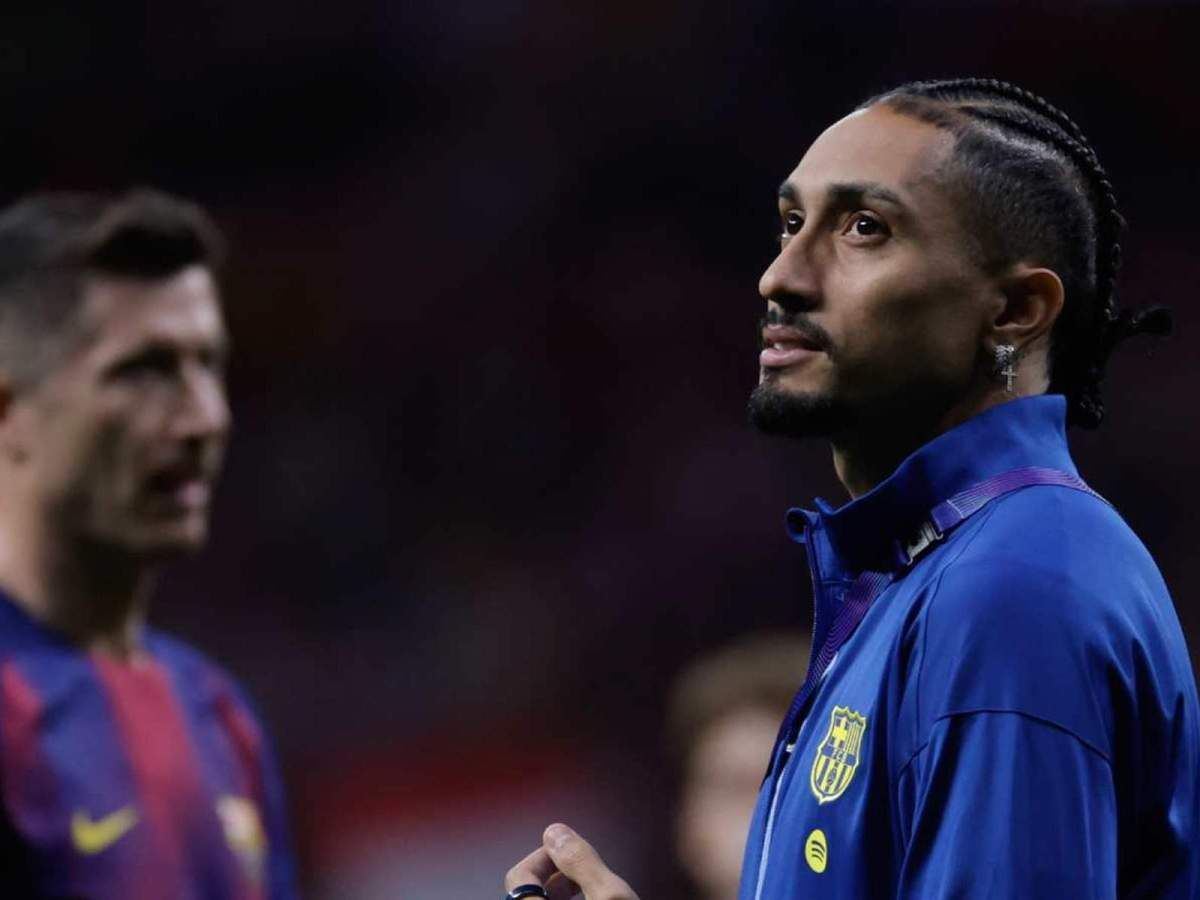
Barcelona star Raphinha could be in hot water after the Blaugrana exited the Champions League at the hands of Atletico Madrid. The Brazilian did not hold back following a 3-2 aggregate defeat at the Metropolitano. Raphinha traveled to Madrid to support his teammates, and was seen out on the pitch before the match with them. […] The post Barcelona star facing Champions League ban after Atletico Madrid clash appeared first on Football España.

Morning. This feels like such a strange week because at the forefront of my mind is Sunday’s trip to face Man City, but tonight we have the chance to make the semi-finals of the Champions League when Sporting visit. I suspect this might be much more a supporter mindset than anything else, and the players […] The post We have a big game on Wednesday, not just Sunday appeared first on Arseblog ... an Arsenal blog.

Arteta said Arsenal did some basic things 'extremely badly' on Saturday. Their dreadful attempts to play through Bournemouth was one of them

Martin Odegaard remains part of Mikel Arteta's plans despite the injury problems that have restricted him to a bit-part role this season.

Danny Murphy accused Arsenal of failing to display an ability to think on their feet during Saturday's damaging Premier League defeat against Bournemouth.

Gipo Viani and the development of catenaccio at Salernitana This piece was written by Alberto Facchinetti for issue 42 In the summer of 1940, Giuseppe Ferruccio ‘Gipo’ Viani found himself unemployed with an estranged wife, a partner and a four-year-old son to provide for. He didn’t know where to turn. His footballing career had just […] The post The Reserve Net appeared first on The Blizzard.
Inter Milan hosted AS Roma at the San Siro and successfully protected their Serie A lead following a difficult period. Inter Milan exploited the international break in the best possible way as they have prepared some of their starting players who were absent for a long period and the goal was to make them ready for this decisive […] The post Inter Milan Vs AS Roma [5–2] – Serie A 2025/2026: How Cristian Chivu Tactics Restored Attacking Cohesion At San Siro – Tactical Analysis appeared first on Total Football Analysis.

In the rapidly shifting landscape of elite European football, the left-footed centre-back has transitioned from a tactical luxury to a fundamental structural necessity. As we move through the 2025/2026 campaign, few players embody the multifaceted nature of this role more completely than Nico Schlotterbeck. At 26 years of age, the Borussia Dortmund defender has reached […] The post Nico Schlotterbeck Scout Report At Borussia Dortmund 2025/2026: The Top Ball-Playing Centre-Back On The Market? – Player Analysis appeared first on Total Football Analysis.
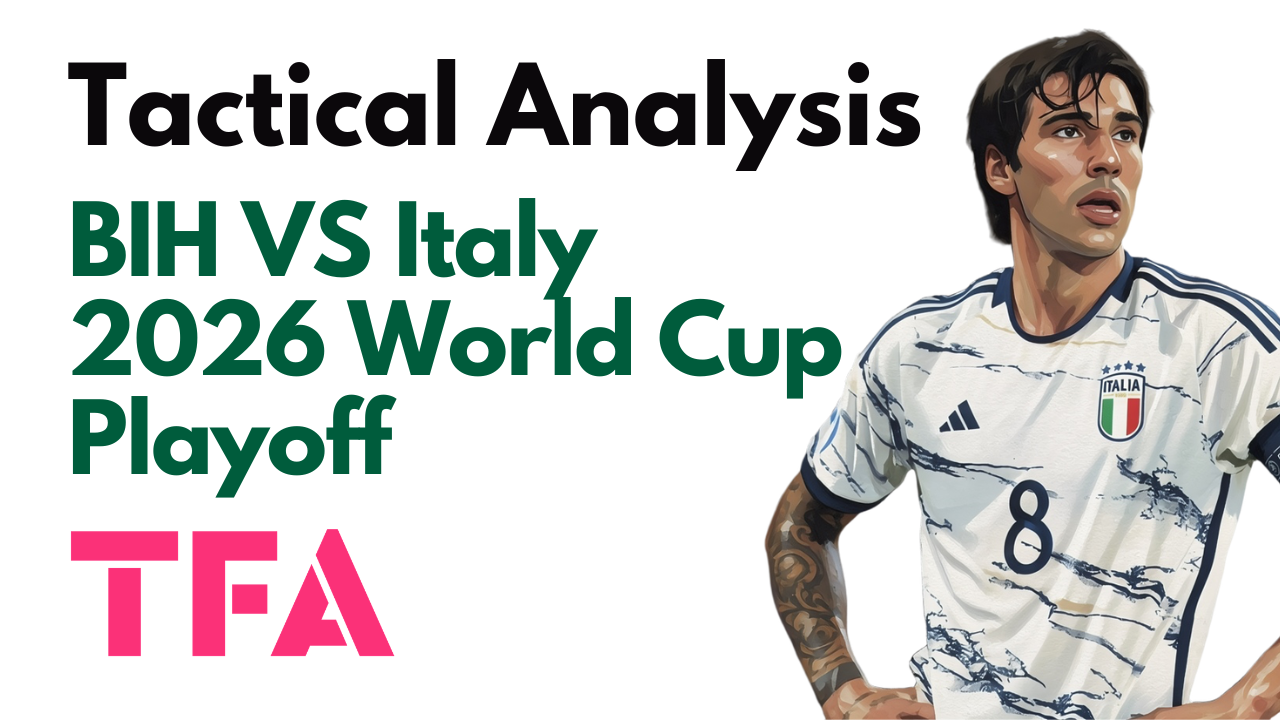
Bosnia-Herzegovina and Italy went toe-to-toe in a one-off game that would determine which nation would go into Group B of this summer’s FIFA World Cup, with the Bosnians winning on penalties. They played out a 1-1 draw through 120 minutes of football, and two missed penalties cost the Azzurri in the shoot-out. This was […] The post Bosnia And Herzegovina Vs Italy [1-1 (4-1)] – 2026 FIFA World Cup Qualification Playoff Final – Tactical Analysis appeared first on Total Football Analysis.

Football plays a vital role in establishing a sense of identity for the Uyghur people This piece was written by Henryk Szadziewski for issue 10 in 2013 Some time in the 1920s — accounts vary — students from the small village of Artush in what is now China’s far west played a game of football […] The post Anyone But China appeared first on The Blizzard.

How tiny Eibar have taken their place in the Spanish top flight. This piece was written by Will Unwin for issue 15 Eibar’s home league meeting with Villarreal this September was a meeting of two tiny clubs. You could fit the population of both towns into the Nou Camp and still have room for another […] The post Defying the Odds appeared first on The Blizzard.
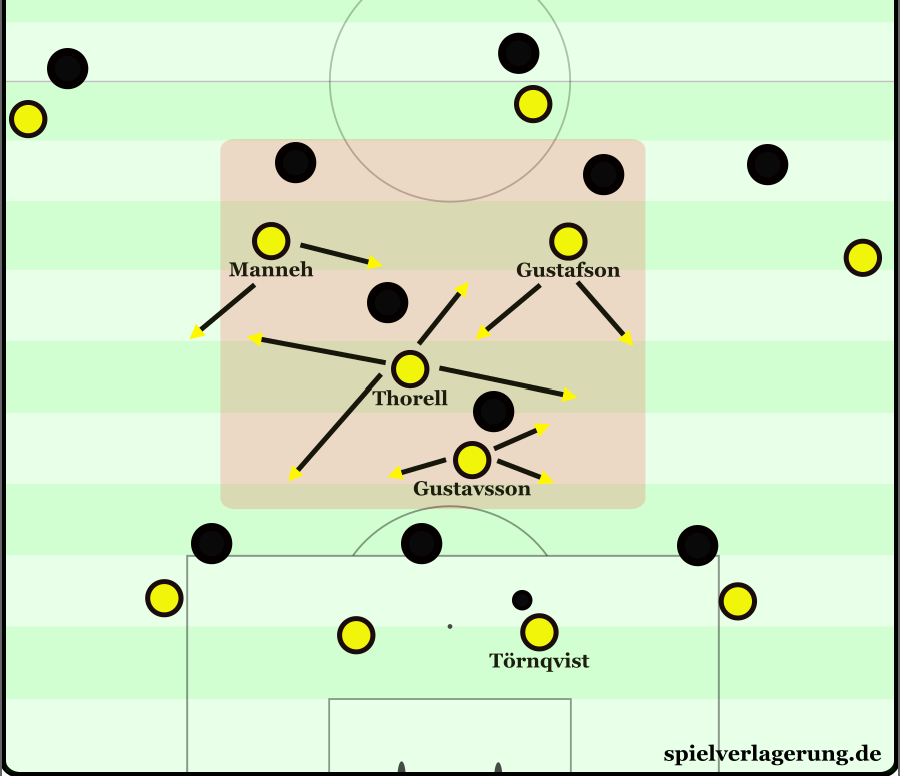
Mjällby AIF are Swedish champions. For the first time in their history, the small fishing village of 1,300 inhabitants has managed to outperform the competition from the bigger cities, helped by an exceptional brand of attacking football. “Europe’s surprise team comes from a tiny fishing village on Sweden’s southern coast. The sporting director is a […]

After his 1000th game in club management (still 86 behind Brucey, mind), Pep Guardiola has achieved pretty much everything it's possible to achieve in football, including winning the affections of Neil Warnock. But has his influence on English football as a whole been positive? Marcus, Luke and Jim chew on that – plus, is Manuel Pellegrini right that football should introduce a basketball-style 'half-court' rule? How the hell did Kenny Dalglish win the league as a player-manager? And Marcus further confirms himself as a basic English b*****d. All on this week's Mailbag, join us! VOTE FOR US IN THE FSAs HERE! Sign up to the Football Ramble Patreon for ad-free shows for just $5 per month: https://www.patreon.com/footballramble. Become a Friend of the Ramble on YouTube: https://www.youtube.com/channel/UCDC5_m85KU8tM3b3cgH-NFQ/join Find us on Bluesky, X, Instagram, TikTok and YouTube, and email us here: [email protected]. ***Please take the time to rate us on your podcast app. It means a great deal to the show and will make it easier for other potential listeners to find us. Thanks!*** The Football Ramble, the original and best football podcast. Brand new podcasts every single weekday throughout the Premier League season and every day throughout the 2026 FIFA World Cup. Hosted on Acast. See acast.com/privacy for more information.

Welcome to It Was What It Was, the football history podcast. This week co-hosts Jonathan Wilson and Rob Draper are joined by journalist, broadcaster and author of 'Expected Goals: The story of how data conquered football and changed the game' Rory Smith. In today’s episode we explore the fascinating journey of data analytics in football. From the early days of Charles Reep and Valeriy Lobanovskyi's basic data collection to the revolutionary 1990s that saw a surge in clubs like Liverpool using a data-driven approach under Ian Graham and Michael Edwards to lead to Premier League success. We also look at how clubs like Bolton Wanderers under Sam Allardyce leveraged data to gain a competitive edge and and the cultural shift towards data in football management. Tune in to understand how data played a crucial role in some of the greatest footballing successes of the modern era. 00:00 Introduction and Welcoming Rory Smith 00:42 The Evolution of Data in Football 01:29 The Role of Data Collectors 05:04 Prozone and Early Data Pioneers 11:17 The Culture War: Nerds vs. Scouts 12:17 Sam Allardyce: The Unlikely Data Advocate 23:32 Moneyball and Its Impact on Football 27:24 Decision Technology and Early Predictions 28:06 The Role of Data in Football Predictions 28:48 The Fink Tank Column and Its Impact 31:09 Spurs' Missed Opportunity with Data 32:56 Tottenham's Early Adoption of Data Analytics 41:11 Liverpool's Data-Driven Transformation 47:10 The Cultural Shift Towards Data in Football 58:44 The Importance of Communication in Data Utilisation 59:45 Conclusion Hosted on Acast. See acast.com/privacy for more information.
Nottingham Forest fans and Ange Postecoglou are just some of the people we currently feel sorry for. Unfortunately, for Evangelos Marinakis he's not on the list... Today, Marcus, Vish and Jim share their thoughts on the increasingly toxic situation at Nottingham Forest. Plus, Enzo Maresca is forced to ask his team for a very basic request and we give The Flintstones an unreasonable amount of airtime. Please fill out Stak's listener survey! It'll help us learn more about the content you love so we can bring you even more - you'll also be entered into a competition to win one of five PlayStation 5's! Click here: https://bit.ly/staksurvey2025 Sign up to the Football Ramble Patreon for ad-free shows for just $5 per month: https://www.patreon.com/footballramble. Find us on Bluesky, X, Instagram, TikTok, WhatsApp and YouTube, and email us here: [email protected]. ***Please take the time to rate us on your podcast app. It means a great deal to the show and will make it easier for other potential listeners to find us. Thanks!*** The Football Ramble, the original and best football podcast. Brand new podcasts every single weekday throughout the Premier League season and every day throughout the 2026 FIFA World Cup. Hosted on Acast. See acast.com/privacy for more information.
Adam Hurrey, Charlie Eccleshare and David Walker entertain this month's listener entries for Mesut Haaland Dicks, as the Clichés faithful nominate their niche footballing fascinations and irritations. Among the selections are the universal authority of the "come short" hand gesture, managers who sign their own sons, Jeff Stelling's trademark goal teases and answering basic footballing questions from your own children. Meanwhile, the Adjudication Panel welcome yet another ex-footballer's podcast to the industry and enjoy a commentator sneaking some clever wordplay under the Carabao Cup radar. Sign up for Dreamland, the new members-only Football Clichés experience, to access our exclusive new show and much more: https://dreamland.footballcliches.com Get your ticket for the Football Clichés Live tour this October: https://tickets.footballcliches.com Visit nordvpn.com/cliches to get four extra months on a two-year plan with NordVPN Learn more about your ad choices. Visit podcastchoices.com/adchoices
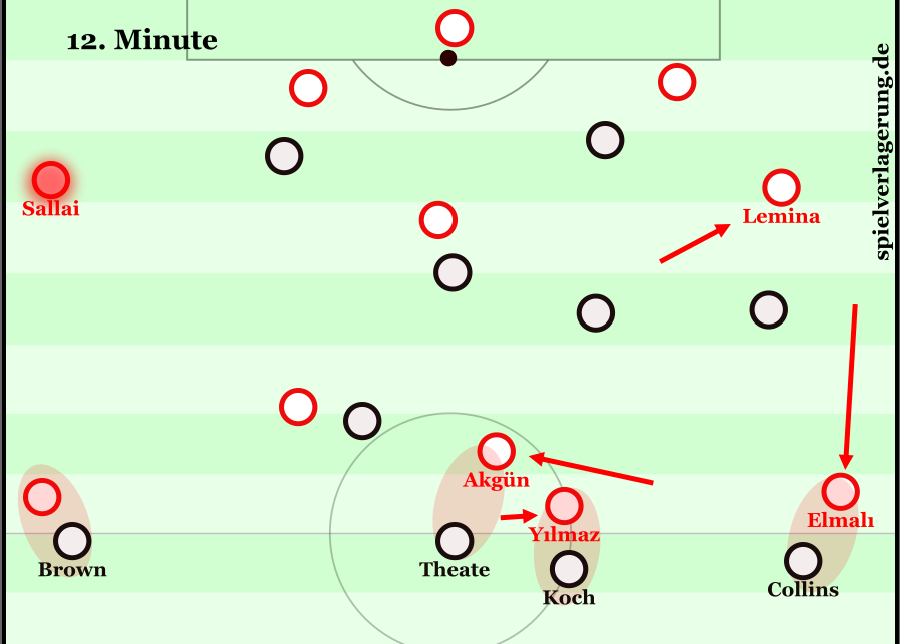
Eintracht Frankfurt won their opening Champions League matchday with a 5-1 victory over Galatasaray Istanbul. After about ten minutes, Frankfurt were trailing 0-1, but thanks in part to adjusted pressing, they were able to turn the game around. What follows is an aspect analysis of Frankfurt’s attacking press against the Istanbul side’s build-up play. Frankfurt […]
Adam Hurrey, Charlie Eccleshare and David Walker are joined by returning special guest Chloe Petts to entertain this month's listener entries for Mesut Haaland Dicks, as the Clichés faithful nominate their niche footballing fascinations and irritations. Among the selections are how football improves our basic maths, players' pointless pre-match Instagram content, a half-time dad joke from an Evertonian, the overrated significance of the England manager attending a game, the "portraitification of football" and late substitutes being named man of the match. Meanwhile, the Adjudication Panel learn more about the possible origins of the "magic of the FA Cup". Visit nordvpn.com/cliches to get four extra months on a two-year plan with NordVPN Adam's new book, Extra Time Beckons, Penalties Loom: How to Use (and Abuse) The Language of Football, is available now: https://geni.us/ExtraTimeBeckons Learn more about your ad choices. Visit podcastchoices.com/adchoices

We will tell you (almost) everything about attacking play. After our introductory seminar and in addition to the continuing analysis-workshops, in the next topic of our academy we will dedicate ourselves to what’s probably the most beautiful and important part of soccer: the offensive game. We are going to present elementary ideas, models and concepts […]
Adam Hurrey is joined by Charlie Eccleshare and David Walker on the Adjudication Panel. The agenda includes: the parameters for a goalkeeping "horror show", Turkish footballer names in Scandinavian crime dramas, the rigid language of Chelsea home defeats, the charmingly basic logic of England's pre-Euros warm-up opponents and, inevitably, Richard Keys on Arsenal's post-match celebrations. Meanwhile, the panel examine just what makes a manager "wily" (apart from being Scottish) and decide when it's too much of a lost cause to grab the ball out of the net after a consolation goal. Learn more about your ad choices. Visit podcastchoices.com/adchoices
Last Thursday football lost its first icon and one of sport's first global superstars Edson Arantes Do Nascimento, known fondly as Pele. On today's Planet FPL Podcast Suj & James reflect on the career of the King and memories of his incredible on field successeses with Santos and Brazil On Planet FPL Patreon, in January all Patrons will be boosted to the next tier level. That means Basic Tier Patrons have access to every Podcast throughout the month. Support the show at www.patreon.com/planetfpl On Wednesday: Planet SkyFF s4 ep21 with all the latest for Sky Fantasy And on Patreon today: Money In Football - Crawley Town and their curious ownership by WAGMI United ___________________________________________ Want to become a member of our FPL and SkyFF community and support the Podcast? On Planet FPL Patreon in January all Patrons will be boosted to the next tier level. Join us on Patreon: https://www.patreon.com/planetfpl Follow James on Twitter: https://twitter.com/PlanetFPLPod Follow Suj on Twitter: https://twitter.com/sujanshah Like us on Facebook: https://www.facebook.com/planetfpl Follow us on Instagram: https://www.instagram.com/planetfpl #Pele #TheKing #FootballsGreatest Learn more about your ad choices. Visit podcastchoices.com/adchoices
It's a Sunday night Planet FPL Gameweek review with the next deadline less than 24 hours away! As usual Suj & James run the rule over all the weekend games. Did Fulham and Chelsea assets catch the eye ahead of their Gameweek 20 Doubles? Plus Arsenal extended their lead at the top after victory at Brighton followed an agitated Man City dropping points against Everton; Marcus Rashford got off the naughty step to help United to victory at Wolves and you want to hear about the latest West Ham and Tottenham disaster classes don't you...? On Planet FPL Patreon, in January all Patrons will be boosted to the next tier level. That means Basic Tier Patrons have access to every Podcast throughout the month. Support the show at www.patreon.com/planetfpl On Monday: James presents The GW19 Deadline Stream Live on the Planet FPL YouTube channel at 3pm GMT. And on Patreon there's The Differential Show GW19 Preview ___________________________________________ Want to become a member of our FPL and SkyFF community and support the Podcast? On Planet FPL Patreon, December is FREE for existing Patrons! And in January all Patrons will be boosted to the next tier level. Join us on Patreon: https://www.patreon.com/planetfpl Follow James on Twitter: https://twitter.com/PlanetFPLPod Follow Suj on Twitter: https://twitter.com/sujanshah Like us on Facebook: https://www.facebook.com/planetfpl Follow us on Instagram: https://www.instagram.com/planetfpl #PlanetFPL #FPL #FantasyPremierLeague Learn more about your ad choices. Visit podcastchoices.com/adchoices

We talk about the season ending Press Conference with Gonzalo Pineda and Carlos Bocanegra. We review the starting lineups and formations through the 2022 season and why Pineda clearly picked favorites over "talent" and basic coaching logic. We had diversity and injuries, but it was not an excuse for the team finishing at the bottom of the eastern conference table. World Cup starts in less than 30 days and we are ready for the France to lose in the first stage of knock out rounds.

- 2022 COG T-SHIRTS! BUY NOW! http://www.cornerofthegalaxy.com/SHOP - SUBSCRIBE TO OUR PODCAST: http://cornerofthegalaxy.com/subscribe/ - COG LA GALAXY DISCORD: https://discord.gg/drr9HFZY2P COG STUDIOS, Calif. -- The LA Galaxy thought they had the comeback planted. Deep into stoppage time, a penalty kick to win all three points? What could go wrong? On today's show, host Josh Guesman is giving you his view on a boring game that had some exciting endings. But that last ending was anything but happy. Should Javier "Chicharito" Hernadez have taken either of the spot kicks? And what doesn't Josh like about changing your mind during the kick? Should someone like Chicharito trust their instincts in a high-pressure situation where he's a career 50-percent converter? Josh will go over the entire game. He'll start by talking about the lineup that didn't include any wingers and what Greg Vanney was trying to do with a 4-4-2 diamond. And why it absolutely worked through the first 10 minutes of the game. But was Sacha Kljestan a controversial choice? Was starting Dejan Joveljic a mistake? And did the Galaxy feel toothless down the stretch until Kevin Cabral came on to win what should have been a game-winning penalty? Josh will also go into the playoff picture, and which two teams are the Galaxy battling to keep out of the playoffs? What do their schedules look like? And can the 2021 Galaxy be a road map for the 2022 Galaxy? We've got a very one-sided opinion on everything that happened on Sunday night, and we're delighted you're hanging in there to join us! Thanks for watching and listening!
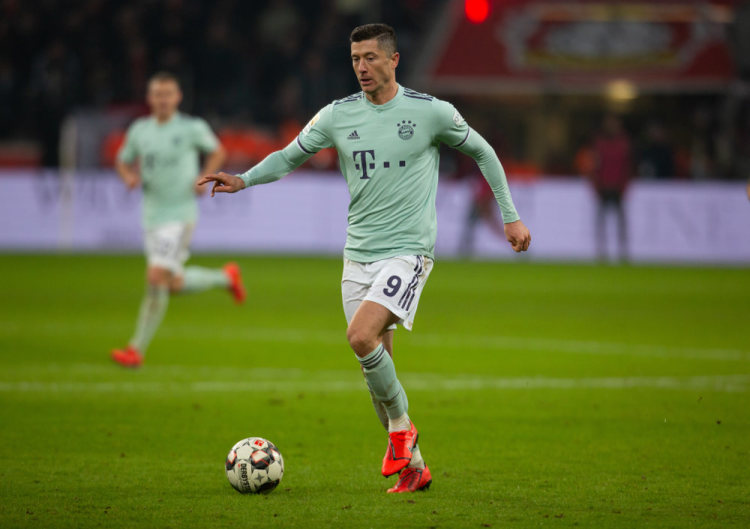
Goals: they are the only currency that really matters in football. We can talk about various basic stats and advanced...
Caley is not happy about the football but he's happy to have his primary, gremlin-free-usb laptop back. He and Goodman talk about Spurs not bottling it against Juventus and the weird, basic, extremely good tactics of Valverde's Barcelona. Can Chelsea beat them? The two hosts slightly disagree. Then a little love for Liverpool before it all ends.Learn more about your ad choices. Visit megaphone.fm/adchoicesSupport the show
Publications
Browse by source
Authors
Browse by writer
Topics
Browse by tag
Media
Articles, Pods, Videos